
How to Create a Weekly Budget for Smarter Money-Saving Habits
Weekly budget strategies help you save smarter. Learn practical steps, avoid mistakes, and start building better habits with real examples.
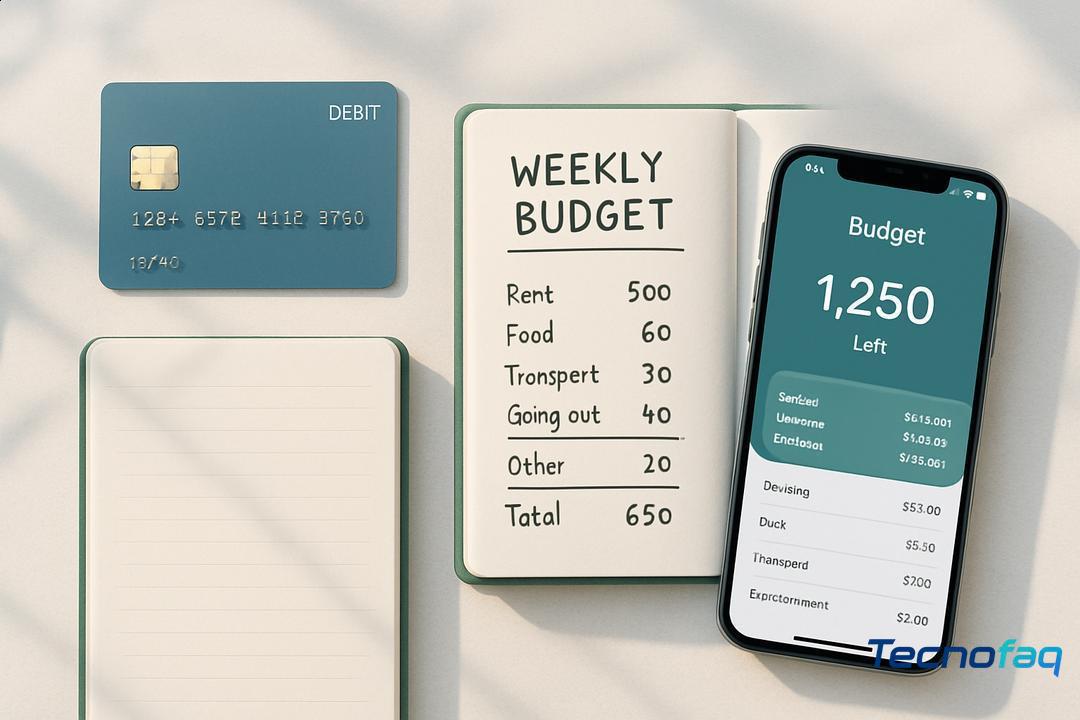
Ever feel like payday comes and goes in a flash, and by the weekend you’re already wondering where your money went? You’re not alone. Many people feel overwhelmed by juggling bills, groceries, and fun, all on a tight income. That’s where the idea of a weekly budget really comes into its own.
Managing money week-to-week is a growing concern among people in the UK, especially with rising living costs. Many find that using a weekly budget brings more control and less stress, because you always know exactly what you have to spend. Research has shown that breaking your finances down into smaller chunks makes it easier to build good habits and keeps overspending in check.
The problem is, most advice out there either makes budgeting sound complicated or expects you to overhaul your whole life. Quick fixes, like expensive apps or rigid plans, often fall short because they don’t fit real, everyday life, where surprise expenses and irregular pay are the norm for lots of us.
This article cuts through the confusion. You’ll find practical, realistic steps for building a weekly budget, honest tips for sticking to it, and ways to avoid the common traps that catch out so many people. It’s designed for UK readers who want to feel in control, even on a tight budget, and yes, it can make a difference starting this week.
Why a weekly budget matters
Staying on track with your money can feel tough, especially when costs keep changing. A weekly budget simply means looking at your spending one week at a time, making it simpler to adjust and plan for what’s really happening in your life. Here’s why this approach can really make a difference.
Immediate control over cash flow
With a weekly budget, you always know where your money goes. This helps you spot if you’re about to overspend. If you see your spending rising on something like takeaways or travel, you catch it quickly and can cut back the next week instead of waiting until the end of the month.
Many people find this makes managing day-to-day bills less stressful. For example, checking your bank app once a week and comparing it to your planned budget can help you make small tweaks before things get out of hand.
Try setting a reminder to review your budget every Sunday, just five minutes can make a big difference.
Adapting to irregular income
If your income isn’t the same every week, budgeting weekly gives you more flexibility. Many people in the UK get paid weekly or have income that changes. Tracking money by week lets you adjust spending as income changes, so you’re never left short just because one paycheque was lower than usual.
For instance, someone working shifts or on a zero-hours contract can use a weekly budget to separate essentials from extras each time money comes in. It’s easier to see what you need to cover basics and what you can save for later.
A good tip is to set aside a small buffer, £10 to £20 each week if you can, to soften the blow in tougher weeks.
Spotting trouble before it grows
Checking your finances weekly helps you catch small problems quickly. If a direct debit jumps up or you forget about a yearly subscription, you’ll notice long before it causes real trouble.
For example, if you usually spend £80 a week on essentials but notice one week it climbs to £100, you can check why right away, rather than waiting and ending up overdrawn at the end of the month.
Get into the habit of writing down any surprise costs in a notebook or app as soon as they happen. This makes it easier to include them next week, and keeps stress low.
Steps to create your weekly budget
Building a weekly budget can feel like a big job, but it gets simpler when you break it down. Think of these four steps as a roadmap to get confident with your money each week.
List your income and when it’s received
Start by writing down all your income and noting when you get it. This is your take-home pay after tax, plus any regular money from benefits or side jobs.
If your pay comes monthly, work out the weekly amount by dividing it by 4 or 4.33. For example, £2,000 a month equals about £462 a week using 4.33. This helps you see exactly what you have to work with each week.
Jot it all down in one place, even if paydays are a bit unpredictable.
Break down monthly bills into weekly amounts
Next, take your monthly bills like rent, insurance, or council tax, and split them into weekly chunks. This makes sure you cover all bases each week.
Say your rent is £800 monthly. Divide by 4.33 to see you need about £185 put aside per week. Do this with all regular bills and note the amounts as part of your budget.
This gives you a clearer picture and helps avoid last-minute panic when bills are due.
Assign money to needs, wants, and savings
With your income and bills sorted, decide what’s left for other things. Start with needs, essentials like food, travel, or heating first. Next, set limits for wants like takeaways or new clothes. Finally, aim to put something, even a small amount, into savings if possible.
One approach is to work out what’s “safe-to-spend” after needs and bills are covered, so you know you’re not dipping into money set aside for essentials.
Try separating your money into envelopes or using banking features to keep things clear.
Choose a simple way to track spending
The best plan only works if you actually check in on it. Pick one tracking method: a notebook, a spreadsheet, or free apps, whatever you find easiest.
Set aside 5-10 minutes every week to review what you’ve spent and update your numbers. This keeps things fresh and helps you spot small problems before they grow.
Find a quiet moment, like after Sunday tea, to make it a habit.
Tips to stick to your budget
It’s one thing to make a budget and another thing to actually stick with it. Staying on track often comes down to having the right habits and making life a little easier for yourself. Here are some tips that help most people stick to their weekly budget.
Use budgeting tools or worksheets
The easiest way to stay on track is to use a worksheet, a simple spreadsheet, a notebook, or a free app. These help you see what’s coming in and what’s going out, almost in real time.
For example, you might use a printable “My Spending Plan” worksheet or a daily tracker to compare what you planned to spend with what you actually spent that day. Even jotting down your expenses by hand makes a difference.
Set realistic spending limits
Your spending limits should be based on what you really bring in and what things actually cost, not just guesses. Being too strict often leads to slipping up.
A common rule is 50% of your money goes to needs, 30% to wants, and 20% to savings or debt if you can manage it. Look back at past bank statements to set limits that work for you.
Review and adjust weekly
Checking your budget at the end of each week helps you catch problems before they grow. It also gives you a chance to adjust anything that isn’t working, like if the food budget was too tight or unexpected bills came up.
Try keeping receipts or a quick diary of what you spend, then spend five minutes each week to compare your plan with reality.
Make saving automatic if you can
The best way to save steadily is to treat savings just like a bill, set up a standing order or automatic transfer to a savings account every week. This works even if the amount is small.
Some people also save for those surprise expenses like car repairs or birthdays by putting a small amount aside each week. Planning ahead makes it less likely that sudden costs will ruin your budget.
Common mistakes to avoid
It’s easy to make mistakes when setting up or following a weekly budget, even when your intentions are good. Knowing the most common pitfalls means you can dodge them from the start.
Forgetting small or irregular expenses
Leaving out things like car repairs, gifts, or school trips is a common mistake. These costs might not happen every week, but they do come up and can throw you off track.
Experts often recommend adding a small line in your budget called “unexpected expenses” or creating sinking funds, where you set aside a bit of money each week for bigger bills down the road.
Try tracking your spending for a month and jotting down any surprises. This makes it easier to spot what you’ve missed.
Making budgets too strict to follow
Cutting out all treats and making your plan too tight makes it hard to stick to. Budgets that look good on paper don’t always work in real life, especially if you leave out money for fun or little extras.
When you’re too strict, you may start ignoring the budget or spending more in frustration. Most experts suggest leaving room for a bit of discretionary spending each week, something that makes life happier, even if it’s just a magazine or coffee out.
Not adapting when income or costs change
Life changes, and your budget needs to change too. Forgetting to update your plan after a pay rise, a new bill, or increased food costs can mean you’re working with old numbers that don’t fit anymore.
Review your budget regularly, especially after changes at work or home. Checking in even once a month helps your plan keep working for you, rather than against you.
Building long-term habits with your weekly budget
Building long-term habits with a weekly budget is all about consistency, not perfection. By making budgeting a regular part of your week, you turn money management into something automatic, like brushing your teeth or making a cuppa each morning.
Experts often recommend a weekly money check-in. Take 10 minutes to review your bank balance, see where your money went, and plan for the week ahead. This routine helps you stay organised and calm, even if unexpected costs appear.
Many people find it easier to save using automatic transfers and sinking funds. For example, if you know you’ll need £520 for car insurance each year, set aside £10 every week into a labelled account. Starting small matters more than aiming high, guides often suggest setting aside 5% of your take-home pay, and gradually increasing it when you can.
It also helps to separate wants from needs and include a small “guilt-free” category for treats. Success with budgeting depends on consistency, automation, and regular review, not on following a strict plan perfectly every week. If you miss a week or spend more than planned, just reset and start again. Over time, these habits really do add up and make it easier to reach your goals.
Key Takeaways
This guide shares practical steps and insights for creating and maintaining a weekly budget, aiming for greater control and peace of mind with your money.
- Weekly budgeting brings control: Reviewing finances every week helps spot issues and adjust quickly before problems grow.
- Start by knowing your income: Writing down all sources and when you get paid lays the foundation for good planning.
- Break bills into weekly amounts: Dividing monthly costs by 4.33 makes it easier to cover big bills without stress.
- Allocate for needs, wants, and savings: Prioritise essentials first, then set aside a small amount for personal treats and regular savings where possible.
- Use simple tools to stay on track: Whether it’s a notebook or a free app, tracking your spending makes sticking to your plan much easier.
- Review and adjust regularly: Weekly check-ins let you notice overspending and update your plan as life changes.
- Remember unexpected costs: Planning for irregular expenses or using “sinking funds” can help avoid being caught out.
- Long-term success comes from consistency: Building a habit of regular check-ins and making small adjustments can lead to lasting money changes.
The key message is that small, steady changes and regular habits make budgeting work, even if life is unpredictable.
A weekly budget is a plan for the money you can spend or save each week after covering regular costs like rent and bills. It makes managing spending easier, especially if your income or expenses change from week to week.
You add up your regular income, subtract fixed costs, then set weekly spending limits for things like food and travel. Checking your transactions every week lets you make adjustments if you spend more than planned.
Review your budget at the same time each week, track your spending through the week, and quickly spot any overspending. A short weekly check-in helps you catch problems and adjust your plan as needed.
Don't forget irregular bills or fixed payments, and avoid setting limits without checking what you really spend. It’s best to allow for surprises and not treat one-off overspending as normal.