
Shopping list budgeting for smart money-saving on groceries and essentials
Shopping list budgeting helps you cut costs and avoid waste on groceries and essentials. Discover smarter ways to manage your weekly shop here.
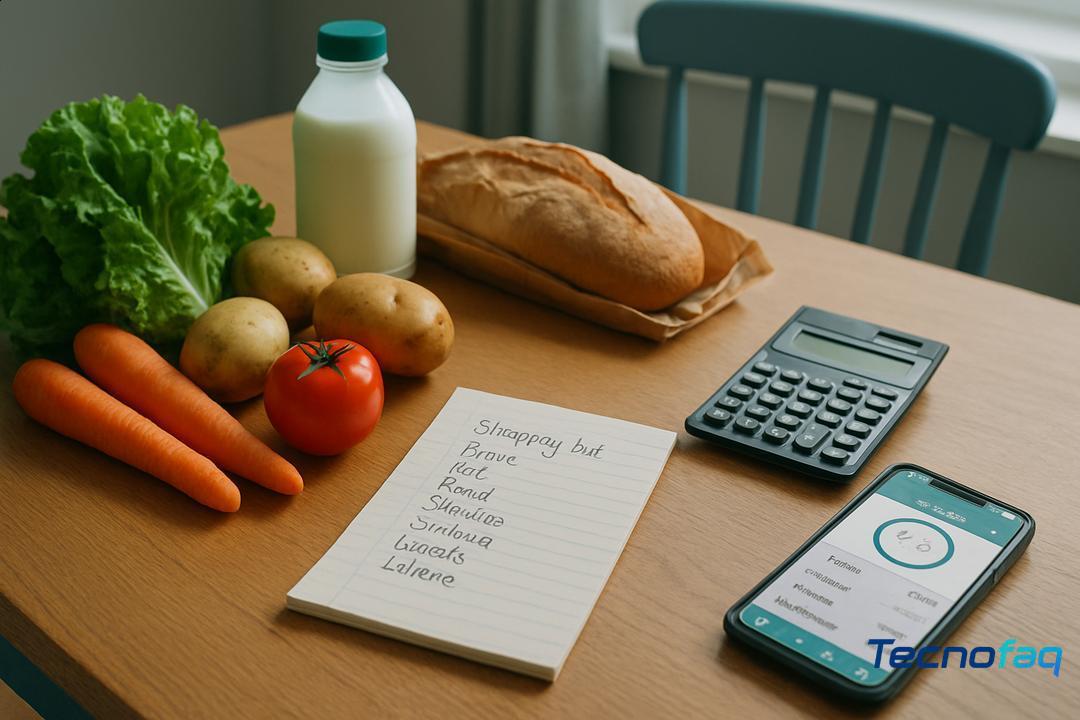
Ever get to the checkout and wonder how your small basket cost so much? You’re not alone, most of us have stood there, surprised at just how quickly essentials add up. It’s easy to think you grabbed only what you needed, only to realise later that an extra snack or last-minute deal pushed you over budget.
With prices creeping up, saving money where you can is more than just a good habit. A growing concern among UK households is how to manage weekly grocery bills without sacrificing nutrition or quality. That’s where shopping list budgeting comes in, a straightforward yet powerful way to keep your spending in check and make the most of your income.
A lot of advice focuses on broad money-saving tips or extreme couponing. But those tricks can be time-consuming or just not practical in real life. What’s often missing is a simple, repeatable game plan that actually fits busy routines and real budgets.
This article is here to change that. You’ll find clear steps for building a budget-smart shopping list, practical advice for sticking to what you plan, and up-to-date tools to make it all easier. If you want to get better at saving money on essentials, and do it without the guesswork or guilt, you’re in the right place.
Benefits of budgeting your shopping list
Budgeting your shopping list can make a real difference to your bank balance and peace of mind. This section breaks down the main rewards you get from budgeting before you shop.
Lowering food waste and impulse buys
When you plan your shopping and stick to a list, you buy only what you need. This cuts down on food waste and protects your wallet.
Nearly half of household food waste in the UK comes from items not used in time. Impulse buys can push up your costs by as much as 20 percent, according to some estimates. A simple list helps you avoid buying extras that go off before you can eat them or that you didn’t really want.
Try taking five minutes before you shop to write down what you actually need for meals and snacks. Check cupboards and your fridge first. This small step can save you a lot over the months.
Building confidence with spending control
Making a shopping list and following a budget gives you more control over your spending. You start to feel more confident because you know what you’re spending, before you even reach the checkout.
Research shows that people with a shopping plan are more likely to stick to their budgets. This can make food shopping feel less stressful. You may even feel proud when you see your spending go down over time.
If you’re new to budgeting, start with a simple goal like, “I won’t spend more than £40 this week.” Keep your receipts for a month and review them. You’ll see progress and build trust in yourself.
Freeing up money for other essentials
Sticking to a planned list means you’re less likely to overspend. The money you save can go towards other important bills or savings.
For many people, a tighter food budget is how they can afford things like heating, travel, or even putting money aside for emergencies. Each pound you save on groceries is a pound you can put to better use elsewhere.
A practical tip: Transfer any extra money you have left after your weekly shop into a separate jar or bank account. Over a few months, you might be surprised how much you’ve saved, just by planning ahead.
Steps to create a budget-friendly shopping list
It’s easier to shop smarter when you follow a few key steps. Here, we break down how to make your shopping list really work for your budget.
Estimating your weekly needs and budget
The first step is to figure out what your household actually needs for the week and how much you can spend.
Most UK families spend about 10 to 12 percent of their income on food shopping. Writing down the basics, like milk, bread, and meals you know you’ll eat, keeps you from buying too much. Look at last week’s receipts to spot what you buy most often. This helps you plan ahead and avoid buying double or running out before next payday.
A practical tip: try making a quick inventory of your cupboards before you shop. It stops you buying what you already have.
Meal planning to guide your shop
Meal planning means deciding what you’ll cook and eat each day. It helps you choose only what’s needed, making it easier to stick to your budget.
People who plan meals before shopping often waste less food and spend less at the till. One real example: planning just five dinners for the week can reduce how much food you throw away and cut impulse takeaway costs.
Planning doesn’t have to be complicated. Even rough ideas like “pasta Monday” or “chicken Thursday” can help keep shopping simple and spending in check.
Comparing prices before you shop
Checking prices at different shops or using apps can help you find the best deals. This step can save you pounds over the month.
Many people use store flyers or phone apps to compare offers on common items. You might find basics like fruit, pasta, or tinned goods are cheaper at a different shop. Some even swap to own-brand products to make their money go further.
Before you head out, spend a few minutes checking what’s on offer. Write down the best buys and stick to your plan in the shop. Over time, this habit can really boost your savings.
Tips for sticking to your shopping budget
It’s one thing to set a shopping budget and another to stick to it. Here are some practical tips that really help people keep spending under control, even when life gets busy.
Avoiding ‘special offer’ traps
Special offers can be tempting, but they often make you spend more than planned.
Research suggests deals such as ‘buy one get one free’ can lead to shoppers buying things they don’t actually need. This can increase your bill by up to 20 percent and may mean more food gets wasted at home. The best way to avoid this? Stick to your list, and ask yourself if you would really buy the item without the offer.
If you want to take advantage of a deal, make sure it’s something you use every week, or share with a friend or neighbour.
Shopping with cash or prepaid cards
Paying with cash or a prepaid card makes it much easier to stay within your limit.
Unlike credit cards, you can’t go over what you have. Many shoppers find that sticking to physical money helps them avoid those little extras at the till.
An easy tip: Take out your weekly food budget in cash before you shop. When the money’s gone, it’s gone. This is one of the simplest ways to put a real boundary on your spending.
Reviewing your results each week
Looking back at your shopping each week helps you spot where you did well and where things could change.
Checking receipts and adding up what you spent makes it simple to compare your actual spending with your planned budget. This makes it easier to notice things like repeating impulse buys or rising prices on favourites.
To make it a habit, try setting a regular time, like Sunday night or after your main shop. Write down your totals and any thoughts for changing your list next week. Over time, these small check-ins can help you stay on track.
Tools and apps to help with shopping list budgeting
Technology and simple tools can make it much easier to plan and stick to your shopping budget. There are digital options as well as handy paper templates for every budget and style.
Free budgeting and shopping list apps
There are many free apps that help you write shopping lists, check prices, and update your spending as you go.
Most UK grocery apps let you create lists, mark off items, and even check which shop might have the best prices. Some allow you to set a total budget to help you not spend too much. Many people find apps make it easier to keep all their planning in one place, especially if you share a shopping list with your partner or family.
Try out a basic app or even a free spreadsheet template to get started. You don’t need anything fancy, a simple list that you can update works best for most people.
Using spending trackers for feedback
Spending trackers show you what you really spend each week and highlight habits that need changing.
Over time, these tools can help you spot patterns, like spending more on snacks or takeaways, and suggest where you might want to cut down. A tracker could be an app or just a notebook where you jot down what you buy. Some apps even send you reminders when you’re close to your limit.
It’s worth reviewing your tracker once a week. This small time investment can save you from repeating old mistakes.
Printable templates and planners
Printable shopping planners are perfect if you prefer pen and paper or like sticking lists on the fridge.
You can find free templates online, from weekly food planners to simple tally charts for tracking spending. These work well for people who don’t use apps or just want something easy to glance at before they walk out the door. Many families now use a printed meal plan to avoid overbuying and wasting food.
Start by printing out a template and keeping a copy in the kitchen. With everything written down, you’ll feel more organised and confident with your spending.
Making shopping list budgeting a habit for long-term savings
Making budgeting part of your weekly shopping list is one of the simplest ways to save money over time. When you turn careful planning into a habit, you avoid those impulse buys, cut down on waste, and feel more relaxed at the checkout.
Experts suggest starting by looking at what you spent last month. Set a limit that works for you, then write out what you actually need and how much you plan to spend on each type of item. Check your cupboards and fridge first, this helps avoid buying things you already have and keeps waste low. Many seasoned shoppers also organise their list by sections of the shop. This saves time and helps keep your mind on what matters most.
One tip many people use is the ‘not on the list, don’t buy it’ rule. If you see something tempting, wait a day before deciding. This little pause gives you time to check if it’s a real need. Tracking your shopping and reviewing your choices every week can help spot habits and make small changes where needed.
Research and experience show these steps make budgeting easier as time passes. Even if you slip up sometimes, sticking to this repeatable routine, set a budget, make your list, shop to plan, and track your results, can build real long-term savings without adding stress to your day.
Key Takeaways
This guide shows how shopping list budgeting can help you save money and enjoy stress-free food shopping.
- Budgeting reduces waste and cuts unnecessary spending: Planning your shopping stops impulse buys and helps manage food waste at home.
- Estimate weekly needs for better control: Writing down what you need and checking cupboards first avoids buying duplicates.
- Meal planning supports your budget: Deciding meals in advance prevents last-minute takeaways and streamlines food purchases.
- Compare prices for extra savings: Checking offers or switching brands can help your money go further each week.
- Beware of special offer traps: Promotions can increase your bill by up to 20 percent if you buy items you don’t need.
- Use tools to stay organised: Free apps, spending trackers, or printed lists all make it easier to track your spending and stick to a plan.
- Review spending regularly to build strong habits: Small weekly check-ins help you stay on track and make adjustments if needed.
- Make budgeting a routine for long-term savings: Following the cycle of setting a budget, planning your list, shopping smart, and reviewing results leads to steady savings over time.
The key message is that even simple, consistent budgeting habits can make a lasting difference to your finances and reduce stress around grocery shopping.
Write down what you need, estimate prices for each item, and adjust your list to match your budget before shopping. Keep a small buffer for price changes.
Plan meals in advance, use a shopping list, avoid shopping when hungry, and check what you already have at home. Focus on needs to prevent impulse buying.
You can use simple budget calculators, shopping list apps, or even a written list with estimated prices to track spending. Reviewing expenses regularly can help you adjust your budget.
There is no fixed amount, but many people aim for around 10% of their income. Adjust your spending based on your household’s needs and local food prices.