
How to Use a Monthly Budget Planner for Effective Money-Saving
Monthly budget planner: learn simple steps to start, what to include, and tips for real savings, no confusing jargon, just practical help.
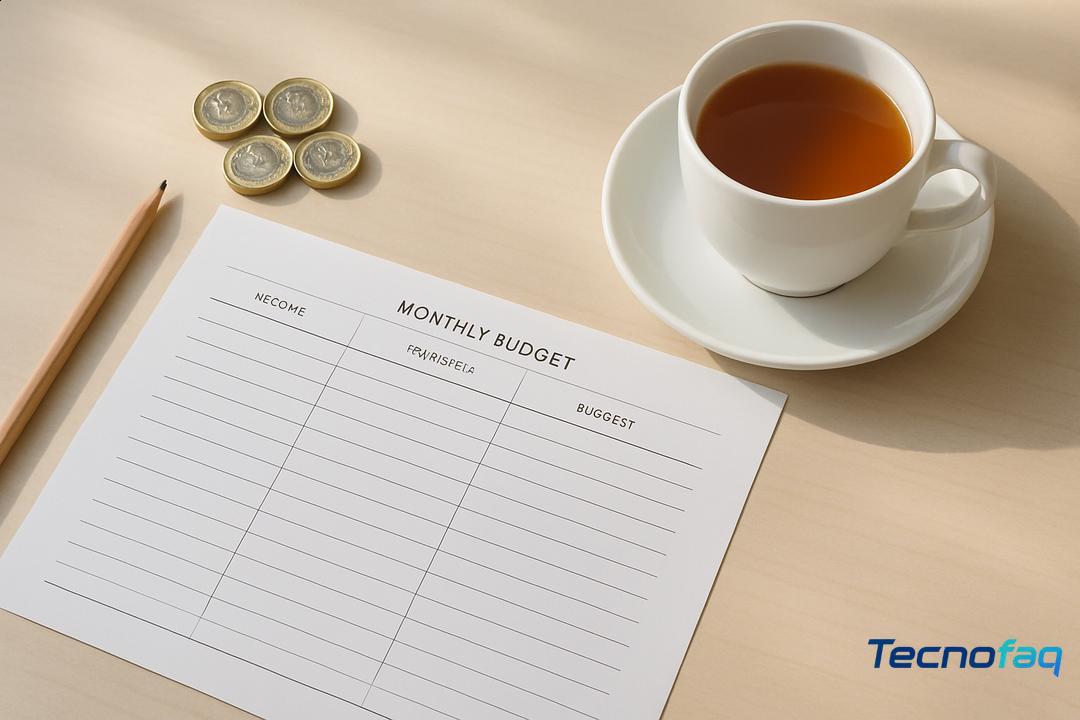
Ever find yourself halfway through the month and wondering where your paycheque disappeared? You’re definitely not alone. Keeping tabs on your cash can feel like chasing after socks in the wash – things vanish before you even notice.
Managing day-to-day spending is a growing concern among UK households facing rising costs. That’s where a monthly budget planner steps in. Tracking your money each month gives you a clear picture of what’s coming in, what’s going out, and where it’s all going. Many people find that simply writing things down, or using a budget spreadsheet, can help rein in spending, plan for big expenses, and make saving feel less overwhelming.
But quick fixes, like scribbling a few numbers on the back of a bill or checking your bank app now and then, don’t always stick. Most ‘budgeting hacks’ are so broad or complicated that it’s easy to give up before getting any real benefit.
This article gives you a practical, step-by-step guide to using a monthly budget planner – whether digital or on paper – to save money without drowning in admin. You’ll learn the must-have features, how to get started, tips to keep up the habit, and how consistent budgeting can really pay off.
Benefits of using a monthly budget planner
Having a plan for your money makes life a lot less stressful. A monthly budget planner is a tool that helps you keep track of where your money goes and makes saving feel more possible. Here’s why so many people swear by it.
Clarity on where your money goes
A planner shows you exactly what you’re spending on each month, so there are no hidden surprises. This could mean seeing that takeaways, subscriptions, or small shops add up faster than you think. Experts highlight that having things written down (on paper or digital) gives you better control and awareness over your finances. A practical tip: List every regular bill along with smaller, less obvious payments to avoid gaps.
Spotting overspending habits
Using a budget planner can help you spot areas where you spend more than you should. For example, maybe you notice that most months, your spending on snacks or taxis goes over what you planned. Many people only realise these patterns when they start tracking their spending in detail. Actionable tip: Compare what you planned to spend and what you actually spent at the end of the month to find regular trouble spots.
Reduces month-end stress
One of the biggest benefits is less worry near payday. Having a written plan means you’re less likely to get caught off guard by forgotten bills or sudden expenses. People who use planners often say they feel more in control and rarely run into last-minute money panics. Set a weekly reminder to check your planner, and you’ll avoid nasty shocks when bills are due.
Helps build consistent savings
Keeping a monthly planner makes saving more likely because you see what’s left after essentials are covered. Saving even small amounts each month soon adds up. Some budgeting methods, like the 50/30/20 approach, are built right into popular planners. Try setting yourself a savings target, no matter how small, and watch as your savings grow little by little over time.
Essential features to look for
Picking the right monthly budget planner can make all the difference to your money habits. Here’s what to look out for if you want a planner that actually works day-to-day.
Must-have budget categories
Your planner should include all the main spending areas you have. That usually means housing, food, transport, utilities, debt, savings, and insurance. Most guides suggest starting with around 10 to 15 main categories, but it’s fine to start with just the basics if that feels easier. For example, you might only need rent, groceries, bills, savings, and a buffer at first. Try adding more detail only if you find your plan needs it later.
Ease of use and accessibility
If your planner is easy to use, you’re much more likely to keep it up. Good planners are clear to read and quick to update. Many people find a simple template with columns for income, expenses, savings, and a place to show budgeted vs. actual amounts works best. If you’re just starting out, try limiting your categories to no more than eight so it feels manageable.
Customising to fit your lifestyle
The best planners give you the freedom to change categories when life changes. You might need spaces for children’s activities, gig work earnings, or pet care. It helps to think about your own needs, not just use a one-size-fits-all template. Start broad, then split your categories if you need to keep a closer eye on certain spending areas.
Tracking spending vs. planned
A monthly planner should always let you compare what you thought you’d spend with what you actually did. This makes it much easier to spot patterns, like going over on takeaways or under-saving. Many guides suggest checking your budget against common benchmarks: for example, housing often takes 25 to 35 percent of income. The key is tracking your own real numbers so you can spot gaps and fix them early.
Step-by-step guide to setting up your planner
Getting your monthly budget planner set up may sound tricky, but it helps you stay on top of your money from the very start. Just follow these simple steps.
Listing your income sources
Start by writing down all the money you get each month. This could be your wages, any benefits, money from a side job, or maintenance payments. It’s important to include every source, even the small ones. For example, some people forget to count small cash in hand jobs or tax credits, and end up short later in the month. Tip: Check your bank statements to spot anything you might have missed.
Breaking down monthly expenses
Next, list out all regular spending. This means things like rent, food, bus fare, gas, internet, and phone bills. Divide your expenses into categories, such as household bills, transport, groceries, and debt payments. Many guides suggest starting with main categories and adding detail if needed. Keep receipts or track expenses for one month to get a true picture of where your money goes.
Factoring in irregular costs
Don’t forget costs that pop up sometimes but not every month. This can be things like car MOT, presents, school trips, or dentist bills. The trick is to work out the yearly total for each, then divide by twelve to see what to set aside monthly. Many people find these “surprise” costs are easier to handle when planned for in advance. Try setting up a small savings pot just for these kinds of bills.
Making realistic saving goals
It’s better to save a small amount you can stick with than set high targets and give up. Many experts say small but regular savings make a big difference over time. For example, if you can save just £10 or £15 a month, you’ll have a buffer for emergencies or treats by the end of the year. Pick a savings goal that feels doable and doesn’t leave you struggling the rest of the month.
Review and adjust monthly
Your first plan won’t be perfect. Check your budget at the end of each month to see what worked and what didn’t. Experts recommend this step so you can fix mistakes, add forgotten spending, or change your savings goals. Many people find a regular check-in helps keep them on track and less stressed about money.
Tips for maintaining your budgeting habits
Sticking to your budget plans takes practice. The good news is, there are ways to make it easier and help it fit into your daily life.
Setting a regular review routine
Setting aside a regular time to check your budget keeps you on track. Many experts suggest a weekly or monthly review, so nothing sneaks up on you. Pick a set day, like Sunday evenings, to glance over your spending. Try making it part of your routine, just like planning meals or doing the weekly shop.
Dealing with fluctuations in income
If your income changes from month to month, plan around your average pay. This stops overspending during good months and helps you cope during lean ones. Many people use a “lowest month” rule – build your budget using your smallest income from the past year. If you get extra cash some months, save the difference or use it for big, irregular bills.
Making it a family effort
Budgeting works best when the whole household is involved. Share your planner with your partner, or have a short family meeting to talk about goals and spending. Research suggests family budgeting improves results, as everyone feels responsible. You can assign small jobs, like older kids tracking grocery costs, to get everyone on board.
Using reminders and rewards
Little prompts help you keep up with your budget without nagging. Use phone reminders or stick notes where you’ll see them. It’s also helpful to give yourself a small treat when you hit a savings milestone. This keeps motivation up and turns budgeting into a more positive habit.
What consistent budgeting can do for your future finances
Many people find that sticking to a budget helps keep their bank account out of the red and gives peace of mind against unexpected costs. Research shows those who budget regularly are more likely to build an emergency fund, which means less stress when life throws a curveball like car trouble or a lost job.
Consistent budgeting also means fewer surprises from bills, fewer arguments about money, and a better chance of reaching bigger goals like holidays, a first car, or clearing debts. Some experts say just reviewing your budget at the same time every month, no matter if it’s on paper or an app, makes it much more likely you’ll keep up the saving habit.
If you haven’t budgeted before, remember it’s not about being perfect, but being consistent. Over time, this simple habit helps you feel more secure about the future and gives you more choices with your money.
Key Takeaways
This article guides you through using a monthly budget planner to take control of your money and build lasting habits.
- Budget clarity is crucial: Writing down income and expenses reveals where your money really goes and shows hidden spending patterns.
- Start with essential categories: Group your spending under main headings like rent, groceries, transport, and savings to avoid overwhelm.
- Make it simple and customisable: Choose a planner that is easy to update and lets you adjust categories as life changes.
- Plan for irregular costs: Dividing annual expenses like car or school bills by twelve helps you set money aside each month.
- Build realistic savings: Even saving £10 or £15 monthly creates an emergency buffer and encourages the saving habit to stick.
- Review and adjust regularly: Checking your budget at least monthly helps you spot mistakes early and adapt to changes fast.
- Stay motivated: Use reminders and rewards, and involve your family to make budgeting a shared routine.
- Consistent budgeting pays off: Over time, steady planning reduces stress, avoids debt, and helps reach bigger future goals.
The key message is that with a simple, consistent budgeting routine, anyone can improve their financial confidence and achieve lasting results.
Start by listing all sources of income, then add fixed and variable expenses, and finish with a savings goal for the month.
Typical categories are rent or mortgage, utilities, groceries, transport, debt payments, subscriptions, and savings. Adjust categories to fit your life.
Compare your actual spending to your planned budget regularly. Tracking expenses using receipts or an app helps spot leaks and overspending early.
Estimate yearly irregular costs, divide by twelve, and set aside a small amount each month. This way, surprise expenses are easier to manage when they arise.