
How to save money fast with practical tips for quick results
How to save money fast: discover real, actionable strategies that work for UK adults on any budget. Get tips anyone can use today.
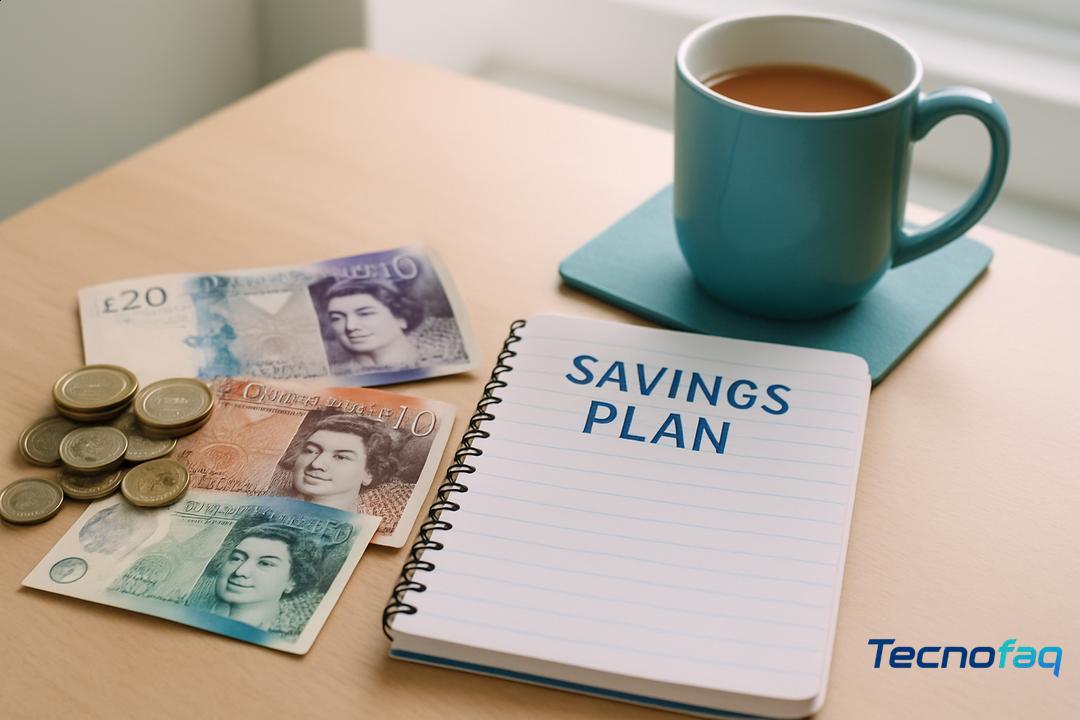
Ever feel like your money disappears the minute payday hits? Trying to save can seem impossible when bills, food shops, and those little ‘just this once’ treats drain your account before you feel in control. The idea of learning how to save money fast sounds great, until real life gets in the way.
You’re not alone. Finding ways to tuck money away quickly is one of the most common concerns for UK adults, especially with the cost of living on the rise. Research shows that unexpected expenses or small, daily habits are often the real barriers to successful saving. That’s why advice about skipping your morning coffee or never going out again doesn’t work for most people.
The truth is, most “quick fix” saving hacks either don’t last or make life feel miserable. Extreme ideas like cutting every treat or moving savings you can’t afford usually end with you dipping straight back into your account, or feeling fed up and giving up entirely.
This guide takes a realistic approach instead. You’ll find evidence-backed strategies and practical tips designed for real UK households, not financial theory. Whether you’re living payday to payday, have a steady job, or juggle side hustles, you’ll learn real ways to spot waste, boost your income, and make a clear plan to build savings at your pace.
Assess your current expenses
If you want to save money fast, the first thing to do is get clear on exactly where your money goes. Breaking down your spending will help you spot areas where you can make changes that have a real impact.
Identify fixed and flexible costs
Start by splitting your expenses into fixed and flexible (sometimes called variable) categories. Fixed costs are things you pay every month and usually can’t easily change, like rent, mortgage, council tax, or insurance. Research suggests fixed costs tend to make up about 40–60% of most people’s take-home pay. Flexible costs are the bills and spending that change with your lifestyle or choices, like groceries, eating out, travel, or going to the cinema. These usually add up to 20–40% of your income and can swing by more than 10% month to month.
An easy way to do this is to look at your last two or three bank statements. Next to each payment, write “fixed” or “flexible.” For example, your phone contract is fixed, but your supermarket shop changes, so it’s flexible. Seeing it on paper helps you work out what you could actually cut back on, if needed.
Spot hidden or ‘leaky’ expenses
Hidden expenses, also called “leaky spending,” are small, regular costs that drain your budget without you noticing. Most people have more of these than they’d guess. Common leaks include unused streaming subscriptions, bank fees, takeaway coffees, delivery app charges, or even a gym membership you never use. These are often set up to renew automatically, making them easy to forget.
Scan your statements for anything that repeats or comes out by direct debit or standing order. Try adding up any yearly, quarterly or irregular bills too, if your car tax is once a year, figure out the monthly amount so you don’t miss it. If a cost doesn’t bring you value, cancel or pause it for now.
Track your spending for a week
For real results, try tracking every pound you spend for one week. You can use a notebook, your phone notes, or even an app if that’s easier. Write down every purchase, no matter how small, between Monday and Sunday.
Once the week is up, review your list. You might be surprised where your money actually goes, like lunch at work, train snacks, or those “just popping in” top-up shops. Compare your notes to your bank statement and see which expenses are truly necessary and which can be adjusted or cut. Many people find this simple habit is a game-changer when it comes to saving money, even if at first it feels a bit awkward or eye-opening.
Set a realistic savings goal
Setting a goal is the starting point for saving money. When your target is clear and realistic, it’s much easier to follow through and stay focused, especially if you’re working with a tight budget.
Why short-term goals work best
Short-term savings goals are easier to stick to and measure. These are goals you can reach in about 1 to 3 years, like building an emergency fund or buying new furniture. Experts say you’re more likely to succeed when you pick a specific number and a clear deadline, rather than aiming to “save more money” in general.
A common benchmark is to save around 10–20% of your take-home pay. For example, deciding to put aside £20 a week towards a £500 emergency fund feels more manageable than targeting £500 in one go. Starting small builds your confidence and keeps you motivated.
How to break down bigger goals
Bigger goals can be overwhelming, but breaking them up helps. You can split a large savings target into monthly or even weekly steps. For instance, if your goal is to save £1,200 for a holiday in one year, divide £1,200 by 12 to get a monthly target of £100.
Some people find it useful to use a worksheet or write down mini-goals along the way. This makes even the biggest savings goal feel possible, and you’ll see clear progress as you go.
Tracking your progress visually
Seeing your progress makes saving feel real. You could use a savings tracker, tick off milestones, or keep a progress bar visible on your fridge or in your budgeting app. This way, you’ll spot right away if you’re on track, need to adjust your plan, or can celebrate a win.
Lots of people like to check their progress each week or month. Even a simple paper chart, a checklist, or a savings goal calculator can keep you motivated and help you spot any problems early.
Cut unnecessary spending
Cutting back on spending doesn’t have to mean giving up everything you enjoy. By making a few simple changes, you can find cash you didn’t realise you had and move closer to your savings goal right away.
Quick cuts you can make today
The fastest way to save is to cancel forgotten subscriptions, unused app fees, or memberships you’d never pay for again. Many of these can be found on your bank statement and only take a few minutes to cut. You could also switch to cheaper brands, batch-cook instead of ordering takeaways, or review your direct debits for anything you no longer use.
If you wouldn’t buy it again today, it’s a good candidate to cut. Try using your bank or budgeting app to look for any expense that repeats every month. Even cancelling just one or two services can free up more money than you might think.
How to avoid impulse buys
Impulse buying is a common way money slips away. A practical trick is to wait 24 hours before making any non-essential purchase. This pause gives you time to decide if you really need it.
You can also unsubscribe from promo emails, delete shopping apps from your phone, or make a shopping list before going to the supermarket. Many people find that tracking even small spends helps them spot patterns and avoid falling into the same traps again and again.
Swapping, selling, and sharing
Don’t forget about the value of swapping, selling, or sharing items. Selling things you no longer use, like old clothes, gadgets, or furniture, can give you a quick cash boost and clear your space. Swapping with friends or neighbours, or looking for pre-owned goods online, can help you get what you need without spending more.
Think about lending or borrowing within your community, using the library, or joining local swap groups. Many people combine selling unused items with cutting back on subscriptions to build up savings even faster.
Increase your income quickly
If cutting costs isn’t enough, bringing in extra money can make all the difference. There are more quick income options than many people realise, and some can pay out in days, not weeks.
Ways to earn extra cash now
The quickest ways to get extra cash are selling things you no longer use, doing gig work, or taking small online tasks. Many gigs pay within a few days and require little to no setup. People often earn £10–£20 an hour with delivery driving, market research, or simple tasks for neighbours.
Even selling unused gift cards at a discount can put cash in your pocket fast. Look for chances near your home or online for things that pay you straight away.
Short-term gigs you can try
Short-term gigs are great because you can jump in fast and get paid quickly. Think about pet sitting, assembling furniture, walking dogs, or helping someone with a small job. Many of these options offer payment within days, or even hours after completing the work.
Other ideas include user-testing websites, helping neighbours with errands, or taking on shifts with delivery or courier services. If you have a special skill, like coaching or tutoring, even a single session can bring in £30 or more.
Selling unwanted items online
Selling things you no longer want is one of the fastest ways to make extra money. Sites like eBay, Facebook Marketplace, and Vinted make it easy to list clothes, electronics, or anything gathering dust at home.
For quick sales, take clear photos and set realistic prices. Focus on popular items, mobiles, clothes, gadgets, furniture, from around your home. It’s surprising how much small sales can add up over a week or two, with cash arriving often as soon as items are collected or shipped.
Use smart budgeting techniques
Smart budgeting is about finding a system that feels simple enough to stick with, and that delivers results you can see. You don’t have to do everything by the book. Mixing and matching popular techniques can help you get organised and stay motivated.
Envelope and 50/30/20 budgeting
The 50/30/20 rule is a popular way to split your income: 50% for needs, 30% for wants, and 20% for savings or paying down debt. The envelope method goes a step further, setting aside money for different spending categories, like groceries, travel, or fun, and stopping when the envelope is empty. You can use actual envelopes with cash or set up digital versions in budgeting apps.
Looking at your last few months of spending helps you set realistic amounts in each category. Try envelope labels for anything that often sneaks up on you, like car repairs or annual insurance.
Taking on a money saving challenge
Money saving challenges turn saving into a game. You can set rules like “no spend days,” rounding up all purchases to the nearest pound and saving the difference, or transferring a fixed amount weekly. Challenges help keep things fresh, make saving feel like an achievement, and build helpful habits without much effort.
Pick a simple challenge and track it each week to see progress. Linking a challenge to the savings part of your 50/30/20 budget means you’ll always know where that money is going.
Automating your savings
Automation makes saving the first step, not an afterthought. You can set up a standing order to move a set amount to savings as soon as you get paid, even if it’s just a small percentage at first.
Many people create separate accounts for different goals, like holidays, car repairs, or emergencies. By treating savings as a fixed cost, like rent or utilities, you’re less likely to dip into it for day-to-day spending. Adjust the amount as things change, but try to keep the system running all year round.
Pulling it all together: Your fast-track plan for saving money
The fastest way to start saving money is by making a clear plan and turning small steps into habits. Start by writing down a specific money goal, the total amount you want to save, and the date you hope to reach it. Divide that goal into weekly or monthly amounts, it’s easier to stick to saving £20 a week than worrying about a big number all at once. This keeps things realistic and helps you measure progress.
Next, track your spending for a couple of weeks. Look for leaks like unused subscriptions or repeat orders you don’t really need. Cancel, switch, or put on pause anything that isn’t giving you value. Many sources suggest reviewing every direct debit and standing order, starting with the biggest expenses first.
After auditing your outgoings, use a budgeting technique, like the 50/30/20 rule: 50% of income goes to needs, 30% to wants, and 20% to savings or debt. Set up an automatic transfer for your savings amount as soon as you get paid. According to financial educators, automating 15–20% of take-home pay can help build up savings for emergencies and big goals before you touch a penny on spending.
Experts recommend aiming for an emergency fund of 3–6 months’ living costs, but it’s okay to start with a smaller goal at first, what matters is building the habit. Check your progress each month. If you’ve slipped, don’t beat yourself up. Adjust your plan where needed and celebrate each win, no matter how small. Remember, saving quickly is all about making steady moves, not chasing perfection.
Key Takeaways
This article shares the best ways to save money fast with practical and realistic steps anyone can take.
- Track your expenses clearly: Divide your spending into fixed (regular, essential) and flexible (non-essential) costs for a true picture of your habits.
- Set manageable goals: Focus on short-term, specific goals you can measure, like saving £20 per week towards an emergency fund.
- Cut what you don’t need: Cancel unused subscriptions, switch to better deals, and reduce impulse buys to save money immediately.
- Boost income quickly: Sell unwanted items online, try short-term gigs, or take on side hustles with fast payouts to increase savings.
- Use smart budgeting systems: Techniques like the 50/30/20 rule and envelope method can help you control where your money goes.
- Make saving automatic: Set up standing orders to move funds to savings before spending, ensuring you consistently build up your reserves.
- Small regular actions matter: Even £10–£20 saved regularly can make a big difference over time and help build good habits.
- Review your plan monthly: Regular check-ins and adjustments help keep your savings journey on track even if you hit a bump.
The main message is that steady, small steps and smart routines are key to building savings quickly and keeping your progress going.
Start by tracking your spending, cutting out non-essential expenses, and moving spare money into savings straight after payday. Even small changes add up quickly.
Cancel unused subscriptions, switch providers for bills like energy or insurance, and reduce food costs with meal planning and packed lunches. These actions often provide the fastest savings.
A common guide is the 50/30/20 rule: 50% for needs, 30% for wants, and 20% for savings and debt payments. Even £10–£20 regularly can help create a strong saving habit.
Prioritise cutting subscriptions, takeaway meals, impulse purchases, and any bills you can reduce by switching providers or negotiating a better deal.