
How to Build an Emergency Fund for Financial Security
Emergency fund basics, easy steps, and real-life tips for UK households. Learn how to build savings that keep you financially secure, no jargon.
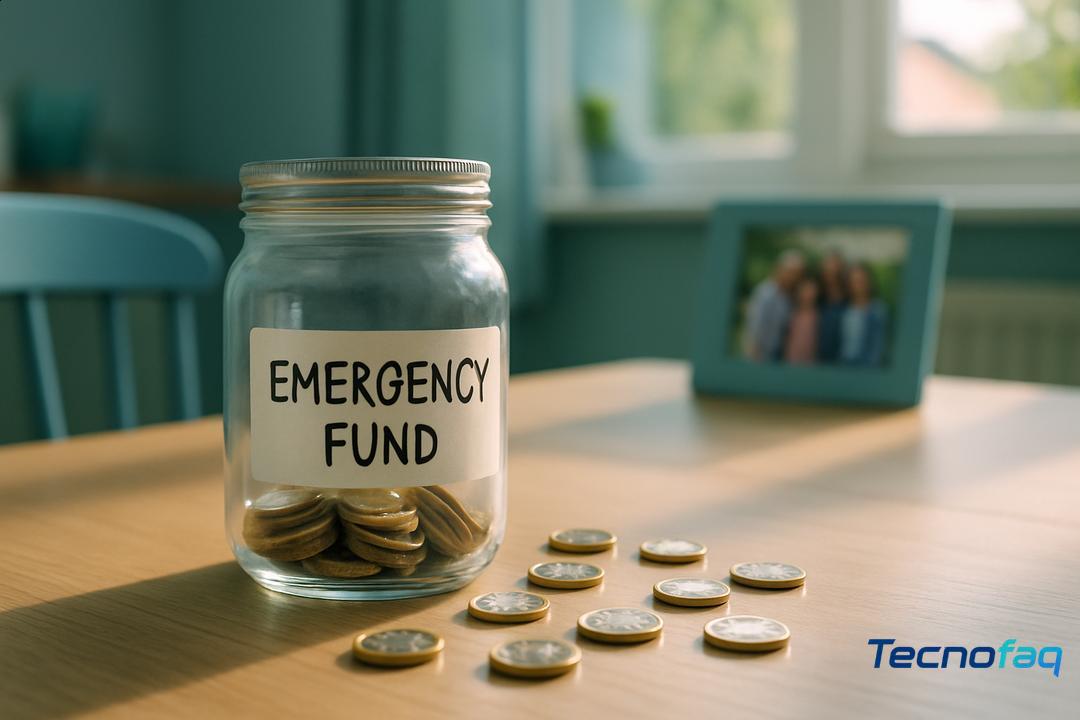
Imagine your car breaks down on the way to work, or your washing machine gives up right before payday. Unexpected expenses like these can knock your budget sideways and leave you scrambling if you don’t have a backup plan.
Sudden bills and financial shocks have become a growing concern among households in the UK. In fact, surveys frequently show many people lack even a small buffer to handle emergencies. That’s where having an emergency fund comes in, a financial safety net designed to catch you when life throws a curveball.
Lots of guides will tell you to just “save more” or stash away a lump sum overnight. But for most of us, that isn’t realistic. Real-life emergencies don’t wait for the perfect moment, and building up a fund from scratch can feel overwhelming if you’re stretched already.
This article gives you a step-by-step approach to building an emergency fund in a way that actually works, even when money is tight. You’ll get clear answers, practical examples, and smart strategies for UK households who want real financial security, not just theories.
What is an emergency fund
An emergency fund is your backup fund for life’s curveballs. Think of it as money you set aside, just for real financial emergencies. It gives you breathing space when something urgent and unexpected happens, like losing your job or needing to fix a broken boiler, so you don’t have to fall back on credit cards or loans.
How an emergency fund works
This fund acts as your financial safety net. You save money regularly in a separate spot and only dip into it when a true emergency hits. For example, it covers things like sudden job loss, an urgent car repair, or a surprise medical bill. Many people start with a smaller goal, say, £1,000, as a first step. Over time, building up to three to six months’ worth of essential living costs is the usual target. Treating the fund as another monthly “bill” you pay yourself helps you build it steadily, even if you’re on a tight budget. Setting up automatic transfers into your fund can make saving much easier and more consistent.
Essential vs discretionary expenses
Your emergency fund is meant for essential costs that you couldn’t have planned for. This means bills like rent or mortgage, electricity and gas, food, medical needs, and major home or car repairs. It’s not for planned spending, like holidays or birthday gifts, or for handling wants that can wait. If you’re unsure if an expense should come from your fund, ask yourself: Would not paying this put my basic security or health at risk? If the answer is yes, it likely counts as essential.
A practical tip: Before dipping into your fund, pause for 24 hours. This helps you decide if it’s a true emergency, not just a convenience.
Where to keep your emergency fund
Keep your emergency money in a separate, easily accessible savings account. The key word here is “separate”, this keeps you from accidentally spending it on non-emergencies. Most people use a standard savings account so they can grab the cash quickly if they ever need it. Avoid locking your emergency fund away somewhere you can’t reach easily or where taking the money out comes with penalties. You want your safety net within arm’s reach when real life throws you a surprise.
Reasons to have an emergency fund
An emergency fund is much more than just a pot of savings. It steps in when life delivers the unexpected and stops a tough moment from turning into a bigger financial problem. Here’s why having this money set aside really matters.
Protection from life’s surprises
Emergency funds exist for those times when something throws your plans off course, think sudden medical bills, car repairs, or losing your job. Experts often suggest saving enough to cover three to six months of your essential costs, but even starting with £1,000 or half a month’s expenses can make a big difference. For example, if your boiler breaks in winter, your emergency fund helps you pay quickly, so you can get back to normal without missing other bills.
Helping prevent unnecessary debt
If you don’t have savings for emergencies, it’s common to rely on credit cards, loans, or even borrow from family. This can cause more stress if you struggle to pay it back. An emergency fund acts as a buffer, so you’re not forced to take on debt when something urgent happens. Having this cushion means you don’t have to juggle repayments or risk long-term setbacks just to cover an emergency bill.
Peace of mind for you and your family
Knowing you’ve got a safety net can help you sleep better at night. It lowers stress when things get tough and gives you and your family more choices, like taking time to find the right job after redundancy or handling a family emergency with less panic. This peace of mind can make hard situations a little easier to manage and keep your household steady when the unexpected strikes.
Steps to build your fund
Starting an emergency fund doesn’t have to be overwhelming. You just need to take it one step at a time. Here’s how you can build a safety net, no matter your budget.
Setting your savings goal
The first step is to decide how much you want to save. Many experts suggest starting with a small, reachable target, such as £500 or £1,000, to help you handle basic emergencies. Once you hit that, you can aim for three to six months’ worth of essential living costs. Choosing a realistic goal makes staying motivated much easier.
How to start small and grow steadily
You don’t have to save a big lump sum right away. Saving small, regular amounts, like the spare coins in your pocket or £10 a week, adds up over time. There are real stories of people in the UK who started with just a few pounds and built up enough to cover a broken boiler or car repair, avoiding loans or high-interest credit. Every bit you save helps you move closer to your goal.
Automating your savings
Making saving automatic means you don’t have to remember to do it each month. Setting up a standing order or direct debit to move money into your emergency fund on payday takes the pressure off. This way, saving becomes a habit, not a chore. Try linking your transfer to the day you get paid for more discipline, you’ll miss the money less and your fund will grow without you even thinking about it.
Tips to maintain and grow your emergency fund
Once you’ve built your emergency fund, the next challenge is keeping it safe and helping it grow. These practical tips will help you protect your fund and make it work for you over time.
How to avoid dipping into your fund
The main rule is simple: only use your emergency fund for real emergencies. Try following a 24-hour pause rule before taking money out. That gives you time to decide if it’s truly necessary or just a nice-to-have. Keeping your emergency fund in a separate account, apart from your spending money, can make it less tempting to dip in. For example, don’t use these savings for holidays or gadgets, only for the tough moments like a broken boiler or job loss.
Making your fund work harder (tiered setups, high-yield options)
You can grow your fund by keeping it in the right place. Some people use a tiered setup, keeping a small amount instantly accessible, and the rest in a savings account that pays more interest. This might mean a basic savings account for emergencies, plus a higher-yield account for larger sums you likely won’t need right away. Just make sure you can still get the money quickly if a big emergency comes up.
When and how to rebuild after an emergency
It’s normal to spend from your emergency fund now and then, that’s what it’s for. The key is to start rebuilding it as soon as you can. Even small amounts help when added regularly. For example, after using your fund to fix your car, you could set up a weekly transfer until you’ve replaced what you spent. Treat each top-up as a win, and remember, every bit you save makes you more prepared for whatever comes next.
Building lifelong financial security with your emergency fund
An emergency fund is the backbone of lifelong financial security. It keeps you steady no matter what surprise comes your way, letting you handle difficulties without going into debt or losing what you’ve worked hard for.
When you have this buffer, you’re not thrown off track by a broken boiler, a job loss, or a big medical bill. Instead of reaching for expensive credit, you can rely on your own savings. Real people across the UK have shared stories of managing through tough patches, such as family illness or a car breakdown, because they built up even a small rainy day fund first.
As life changes, your emergency fund should change too. If you add to your family, move house, or develop new health needs, check that your fund still covers the basics for three to six months. A practical idea is to review your fund at least once a year, or when life changes in a big way. The amount matters less than your steady habit of saving; topping up your fund regularly, even in small amounts, makes a much bigger difference over the long run than perfecting the total from the start.
Sticking with your emergency fund gives you more freedom to make life’s big decisions and protects your future, no matter what comes next.
Key Takeaways
Here are the most important takeaways on building and maintaining an emergency fund for long-term financial security:
- The purpose of an emergency fund: It acts as a financial safety net to deal with unexpected, urgent costs like job loss or urgent repairs.
- How much you need: Aim for three to six months of essential living expenses, but even £500–£1,000 is a good start.
- What counts as an emergency: Only use your fund for real emergencies, such as medical bills, job loss, or essential repairs—not for planned or non-essential spending.
- Where to keep your fund: Use an instant-access or easy-access savings account so the money is protected and available quickly when it’s needed.
- Start small and grow it steadily: Consistent saving, even in small amounts, adds up over time and builds your resilience.
- Use automation to help you save: Setting up a standing order on payday ensures saving happens regularly without extra effort.
- How to manage your fund: Follow a 24-hour pause rule before taking money out, and rebuild your fund after you use it.
- Adapting your fund as life changes: Review your emergency savings annually or when your situation changes, adjusting your goal as needed.
Building and maintaining an emergency fund protects you from financial shocks and supports lifelong stability—every step you take makes a difference.
Most experts recommend saving 3 to 6 months of essential living costs in an instant-access savings account. Start small, even with £500–£1,000, and build from there.
Emergencies are unexpected and necessary expenses, like urgent home repairs, job loss, or medical bills. Don’t use your fund for planned purchases or non-essential spending.
Keep it in an instant-access or easy-access savings account, separate from your main current account, so you can access it quickly when needed.
You can start with a small emergency buffer while paying down high-interest debt. Once debts are more manageable, gradually increase your savings to improve your financial safety net.