
Cut energy bills with simple habits and smart home upgrades
Cut energy bills with small changes and clever upgrades. Discover practical, UK-focused ways to reduce costs and save more at home.
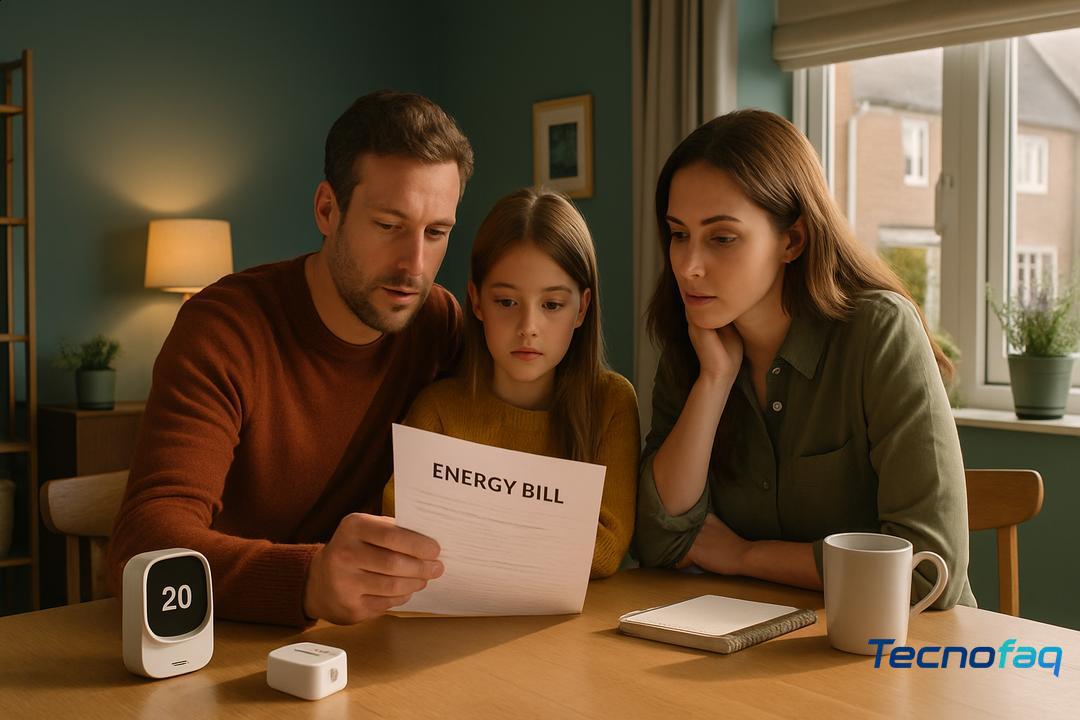
Ever wonder how some people keep their energy bills lower while you feel like yours only climb, no matter what you try? It might seem like the secret is magic, but in reality, it comes down to knowledge and a few smart choices.
Energy is one of the biggest drains on household budgets in the UK. According to Ofgem, bills rose rapidly in recent years, and “cut energy bills” has become a top priority for many families. Many people now find themselves looking for clear ways to manage rising costs without sacrificing comfort at home.
A lot of advice around this topic can feel overwhelming or vague. Generic tips, like “turn off lights”, often miss bigger savings, and quick fixes rarely add up on their own. With so much information out there, it’s easy to feel stuck or unsure what actually works.
This article breaks it down for you. We’ll show you the habits that count, upgrades that pay off, and how new tech can stretch your money further. Everything here is based on real evidence, tailored to life in the UK, and designed to help you feel more in control every time your bill arrives.
Understanding your energy usage
To start lowering your bills, you first need to know where your energy is going. Understanding your usage helps you spot the biggest sources of waste and points out where saving is easiest.
Interpreting your energy bill
Your energy bill breaks down what you use and what you pay for. It shows your usage in kilowatt-hours (kWh), your tariff (the price for each kWh), and any standing or fixed charges. These fixed charges stay the same each month, even if you use no energy.
Check your bill and match the kWh used to your meter readings. This can help you see patterns in your daily or weekly use. If your bill says your average daily use, multiply that number by 365 to get a rough idea of your yearly use. This makes it easier to spot changes over time or after trying new habits at home.
Spotting high-use appliances
Some appliances use much more energy than others. You can work out how much one uses by multiplying the watts by the hours used, then dividing by 1,000 to get kWh. Multiply this number by your tariff to see the real cost.
Big energy guzzlers are usually heating and older large appliances, like tumble dryers or old fridges. Using a plug-in usage monitor can show you exactly which items use the most. Try checking anything that runs for many hours a day.
One example: if your tumble dryer uses 2,000 watts and runs for five hours a week, that’s 10 kWh. At 30p per kWh, that’s £3 a week just for drying clothes.
Identifying wasted electricity
Wasted electricity is often hidden in devices left on standby. TVs, games consoles, and chargers can all draw power even when you think they’re off. This is called a “phantom load”.
Your home’s “baseload” is the minimum power it uses all the time. If that seems high, something may be running that you’ve missed. Unplugging, using smart plugs, or doing a “standby sweep” at night can cut this waste. Small changes here can add up, with some people saving up to 10% on their bill simply by stopping phantom loads.
Low-cost changes to reduce consumption
Cutting your energy use doesn’t have to be complicated or expensive. Many small actions you take around your home can really add up, making a difference to your bills without costing the earth.
Behavioural tweaks that add up
Small daily habits can save a lot of energy over time. Things like turning down the heating, turning off lights when leaving a room, running the washing machine with cold water, and unplugging devices can bring noticeable savings.
The International Energy Agency points out that simple changes like thermostat setbacks and switching off standby electronics can be done right now for little or no cost. Even one habit, like dropping your thermostat by 1°C, can help lower your heating energy use by 6–10% over the year. Try leaving a reminder near switches or your boiler to keep up these habits.
Cheap insulation fixes
Draft-proofing your home is one of the best low-cost ways to save energy. Use weather stripping to seal gaps around doors or windows, and fit a draught excluder by your front door. These materials are usually cheap and easy to install yourself.
Insulating your hot-water pipes or tank is another smart move that costs little but pays off over time. Energy saving guides recommend these fixes, as weatherproofing has a big effect on both comfort and costs. Even replacing old bulbs with LED ones as they go can help.
Smart thermostat settings for savings
Smart and programmable thermostats make saving easy. By setting lower temperatures during sleep, work hours, or when nobody is home, you can cut your bill automatically.
Guides suggest setting a routine you stick to, rather than just adjusting up and down as you feel chilly. For most homes, a steady setback works best. Dropping your heating by just 1°C could reduce your annual heating use by nearly 10%, making a clear difference by the end of the year.
Investing in energy-efficient appliances
Investing in energy-efficient appliances might seem like a big step, but it can offer real savings over time. Choosing the right option isn’t just about the sticker price, it’s about what you spend on energy year after year.
Choosing energy-rated appliances
The best appliances for saving money and energy are those with strong energy ratings. Look for labels showing efficiency. It’s important to compare the life-cycle cost, which means checking both the price to buy and the electricity it uses during its expected life.
Energy-efficient fridges, freezers, and dishwashers often use 10–50% less energy than older or standard models. Upgrading a dishwasher from class E to A could save about £30 a year. If you swap a fridge-freezer rated F for an A-rated one, you might save around £50 a year.
When it pays to upgrade
The best time to buy a new energy-efficient appliance is when your old one is near the end of its life or gets heavy daily use. Many people find that the extra upfront cost of an efficient washer or fridge pays for itself in three to six years.
If you’re buying a large appliance, like an air conditioner, make sure it’s the right size for your room. Getting the right size means you don’t waste energy cooling or heating more space than needed.
The hidden costs of old appliances
Older appliances can cost you much more in electricity than you might think. Their poor efficiency, or even just having the wrong size for your needs, adds up every month.
For example, a modern water heater might cost more at first but could save you thousands in power over its lifetime. Extra features like ice makers or old, constant-running fridges waste even more energy. Always weigh the running costs, not just the price tag, when deciding whether to keep or replace a machine.
Using smart technology for further savings
Smart technology puts you in control of your energy use. It helps you understand exactly where your power goes, when it’s being used, and shows clear ways to save without fuss or guesswork.
How smart meters help
Smart meters give you near real-time updates on your energy use. This means you can see what you’re spending each day and spot changes straight away.
In the UK, 86% of smart meter users said they cut down on energy after switching. The government has found that first-year users may save around 3% on both electricity and gas, with average savings expected to be about £26 now and possibly £43 each year by 2030. Try looking at your smart meter after putting on the kettle, then after a night with all lights off, you’ll see the difference right away.
Remote monitoring and control
Remote monitoring lets you check and manage your appliances, even if you aren’t home. You can spot when something’s on that shouldn’t be, and turn it off from your phone.
This helps you stop energy waste quickly, instead of waiting for your bill at the end of the month. In places with special rates, it can even help you use power when it’s cheaper. For example, some people set dishwashers or washing machines to run overnight to save money.
Voice assistants and automation tips
Voice assistants and home automation make saving energy almost effortless. You can set routines that switch off lights, lower heating, or control your plugs at set times or by voice command.
The greatest savings come when you use these tools alongside smart plugs and thermostats. If you’re not sure where to start, try setting a morning and evening routine using your smart speaker, or connect your living room’s plugs so everything turns off at bedtime.
Putting it all together: Building lasting habits for lower bills
The most reliable way to lower your bills is to build a few simple habits into your routine until they become second nature. When saving is on autopilot, you don’t have to rely on willpower alone to make good choices.
Research shows that tracking your expenses and checking your bills regularly can make a clear difference. Some experts suggest reviewing your outgoings once a month and setting reminders to negotiate regular contracts, like internet or insurance, once a year. Small steps like these can prevent you from paying for services you barely use or from getting caught out by price hikes.
Other practical habits include packing a lunch rather than buying food out, which adds up across the year, or using a regular meal rotation to make food planning easier and cheaper. If you’re tempted by new gadgets or deals, try a 24- or 48-hour pause before buying. Many people find this cuts down on impulse spends and helps prioritise what really matters.
The key to making these habits last is to tie them to things you already do, like reviewing your bills at the start of each month, or saving a set amount every payday. The more you repeat these habits, the easier they’ll become. Over time, small tweaks like these can make a big impact, helping you take control of your finances without feeling deprived or overwhelmed.
Key Takeaways
This article offers practical advice and proven tips to help you cut energy bills at home by building smart habits and making effective upgrades.
- Understand your energy use: Check your bills and meter readings to spot high-usage patterns and areas where you can save.
- Focus on low-cost changes: Behavioural tweaks—like lowering the thermostat by 1°C—can cut heating energy use by 6–10% annually.
- Seal up for savings: Cheap insulation fixes such as weatherproofing doors and windows or insulating hot-water pipes can reduce waste with minimal investment.
- Smart thermostat routines matter: Programme your thermostat to lower heat when asleep or out for steady, automatic savings.
- Choose energy-efficient appliances: Upgrading to A-rated devices can save £30-£50 per year for common appliances, and paying attention to size avoids extra waste.
- Spot and tackle hidden costs: Old, inefficient appliances and devices left on standby can add up, so replace where possible and unplug regularly.
- Use smart technology: Smart meters, remote controls, and automation tools help track usage, spot waste early, and adjust habits for even greater efficiency.
- Lasting savings come from habits: Making a few smart money practices routine—like regular bill checks and small daily tweaks—leads to biggest results over time.
Simple actions and thoughtful upgrades, repeated over time, can help you stay comfortable and in control while keeping your energy bills as low as possible.
Start by turning down the thermostat slightly, using heating timers, stopping standby power on unused devices, and running washing or dishwashing on full loads or eco settings.
Turning off lights and appliances when not in use, closing curtains, using draught excluders, and only heating lived-in rooms are some of the most effective habits.
Yes, especially if they prevent overheating or heating empty rooms. Setting better heating schedules and controlling rooms separately both help reduce energy waste.
Smart thermostats, radiator valves, and smart meters or usage monitors are practical upgrades that help you control your heating and spot sources of waste.