
Automatic savings: An easy way to grow your finances effortlessly
Automatic savings make building your finances simple. Discover step-by-step tips to start, avoid pitfalls, and reach your money goals.
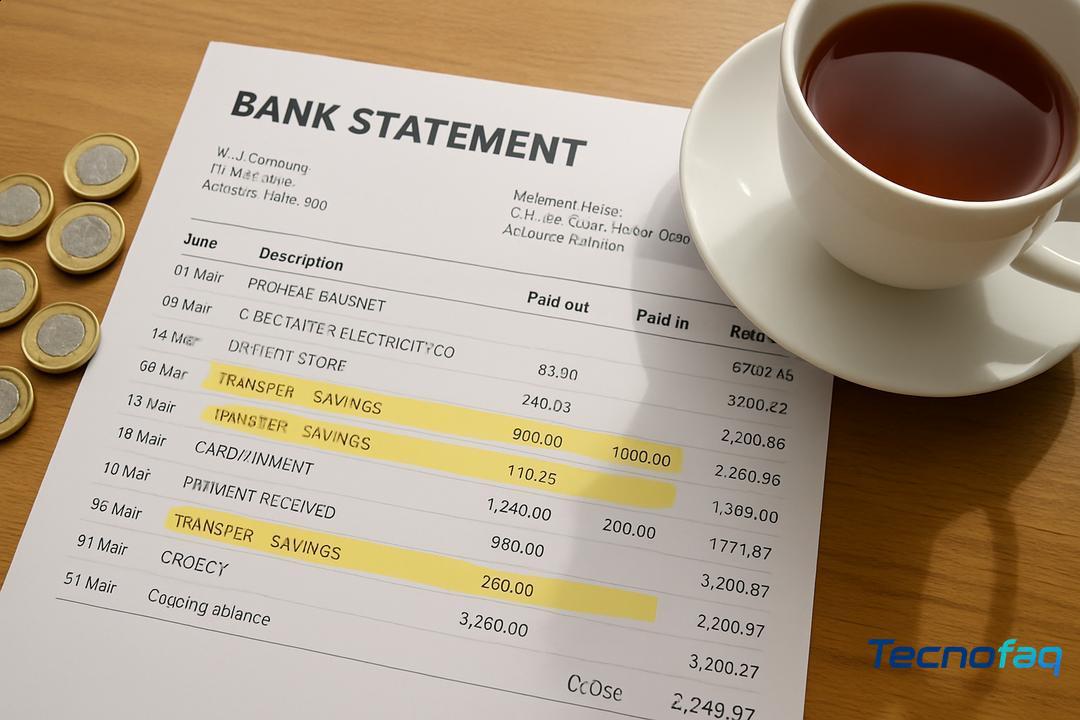
Have you ever reached the end of the month and wondered where all your money went? You’re not alone. Saving money can seem impossible when life feels expensive and unpredictable.
For many UK households, finding extra cash is a growing concern. One proven yet underused approach is automatic savings. This simple habit helps you save without thinking about it, making financial planning less stressful. Research has found that regular, automated transfers can significantly improve how much you put away.
But most articles about saving suggest quick fixes like skipping your morning coffee or complicated budgeting methods. These rarely stick, and they don’t address the biggest hurdle: actually setting money aside before you spend it.
This guide offers a practical look at automating your savings so you’re in control from day one. You’ll learn how the process works, get easy steps to start, and pick up tips to help your savings grow smoothly, no fancy tricks required.
How automatic savings work
Automatic savings is a simple approach that helps you build your savings quietly in the background. Once you set it up, your money gets moved before you even notice it’s gone. This is one of the easiest ways for people with busy lives to stick with their saving goals.
What is automatic savings?
Automatic savings means money gets transferred from your main account to a savings account without you having to do anything each time. You choose the amount and when it moves, and it keeps happening on a schedule.
This method is growing in popularity, partly because research shows it really works. Automated transfers can help you save 1.5 to 3.5 times more than trying to remember to do it yourself. People use automatic savings to build emergency funds, plan for holidays, or just have money set aside for a rainy day.
One practical tip is to start with a small amount. You can always increase it once you’re comfortable that it fits into your budget.
Common automatic saving methods
There are a few main ways to save automatically. The most common is a standing order or direct debit, where you move a fixed amount to your savings each week or month. Another is splitting your income on payday, so a bit of your wages goes straight into savings before you see it.
Some apps also offer a round-up feature. They round up your card purchases to the nearest pound and save the change for you. If you spend £2.75, the app moves 25p to your savings account. Over time, these small amounts can add up without you feeling it.
Try setting up your automatic transfer on payday so you’re less tempted to spend before saving. This keeps saving a priority, not an afterthought.
Direct debit and scheduled transfers explained
Direct debit savings mean your bank transfers a set amount to your savings on a fixed schedule. Scheduled transfers work almost the same way, whether set up with your bank or through an app.
Make sure you time your transfer to happen just after your payday, so there’s enough money in your account and you don’t risk going overdrawn. Many people find it easier to keep their savings and everyday spending in separate accounts for a clearer view of progress.
If your income changes month to month, review your regular transfer now and then, or choose a flexible amount based on what feels safe and comfortable for you.
Benefits of setting up automatic savings
There are some big upsides to setting up automatic savings. It takes the hard work and stress out of saving, helping you build good money habits that actually last.
Passive saving and consistency
Automatic savings keeps your saving consistent, even when life gets busy or you forget. Once you set up a regular transfer, it happens on its own every week or month, with no effort from you.
Many financial experts suggest aiming to save around 10% of your income this way, but you can start with any amount that fits your budget. It all adds up over time, helping you build a steady habit of saving without much thought.
If remembering to save is tricky, this approach means you only need to decide once, not every time you get paid.
Reducing temptation to spend
Moving your money automatically means you don’t see it sitting in your spending account. This helps you avoid using it for impulse purchases, because it’s gone before you get the chance.
Experts call this the “pay yourself first” method, and it works for people who sometimes struggle to say no to spending. Your money moves to savings without another decision, removing the temptation.
Set up your savings transfer to come out right after payday to make this work best for you.
Growing an emergency fund without effort
Automatic savings can help you build an emergency fund with almost no effort. By moving a bit of money each month into a separate account, your safety net grows quietly in the background.
Banks and financial educators often recommend using automatic savings for this purpose. That way, your emergency fund is always there when life throws you a curveball.
A simple example: arrange for a set amount to leave your current account after each payday. You won’t miss it, but over months or years, you’ll be glad it’s there if you need it.
Steps to start automatic savings
Getting started with automatic savings is much simpler than many people think. Breaking the process into clear steps makes it far less overwhelming, even if you’ve never saved like this before.
Choosing the right savings account
The first step is to open a separate savings account if you don’t have one already. Many people find it easier to save when their savings are kept away from their main spending money.
Think about what you’re saving for. Some accounts are better for long-term savings, others for short-term goals. Even starting with a basic savings account helps put a barrier between your day-to-day spending and money meant for your future.
Setting practical saving goals
It helps to choose a goal that’s realistic and clear, like saving £10 a week or building a £500 emergency fund. Setting specific goals gives you something to work towards and makes it easier to track progress.
If this is new for you, start with a small, manageable amount. Many financial educators say it’s better to succeed with a modest goal than to get discouraged by aiming too high right away.
Picking transfer frequency and amount
Decide how often and how much you want to move into savings. The most popular approach is a monthly transfer, usually set for just after payday, but weekly can also work.
Start with whatever feels safe for your budget, many people begin with £10 or £20 a week. You can always increase it later if your money situation improves. Remember to review how things are going every few months and tweak your plan if you need to, so it always fits your life.
Tips to maximise your savings
If you want to make your automatic savings really work, a few smart habits can give your money a helpful boost. These tips are easy to use and can make a real difference.
Using budgeting apps and notifications
Budgeting apps and bank notifications can help you keep track of your savings plan. These tools let you check your progress and warn you if your account is running low.
Many UK banks and apps offer spending breakdowns or savings goals you can customise. Some can even send alerts when you’re close to reaching your target or if a payment is about to leave your account.
A good example is setting up a weekly check-in on your app, so it’s always clear where your money stands.
Avoiding overdrafts when automating
To avoid going overdrawn, always schedule your savings transfer soon after you get paid. This way, you know the money is there.
Some banks let you set up balance alerts or have overdraft protection if something goes wrong. Try starting with a small transfer to see how your budget handles it.
If your income changes or is irregular, keeping a closer eye on your account for the first few months can help you spot any problems early.
Reviewing and adjusting your plan regularly
Review your savings plan every few months to check if your goals or income have changed. Adjusting things regularly helps you stay on track so you don’t get stuck or miss out on saving more.
Financial educators suggest making this review part of your routine, like at the end of each season. Increasing your transfer, even by a little, can add up over time.
How small automatic savings steps can unlock your financial goals
Even small automatic savings steps can help you unlock your biggest financial goals. Putting aside a little money on a regular basis builds up quickly, even if it doesn’t seem like much at first.
Studies have found that people who automate their savings are 1.5 to 3.5 times more likely to hit their targets than those who try to save manually. Regular, small transfers, such as £10 or £20 each week, work better over time than trying to make big deposits once in a while.
Many UK savers have managed to pay for holidays, build an emergency fund, or simply feel more secure by setting these small, scheduled transfers. The trick is to start with an amount that fits your budget and let the process run in the background. As you get comfortable, you can increase the amount, but just beginning with what you can manage is already a great step towards reaching your milestones.
The most important thing is to keep going. Those small, automatic steps create steady progress, which can make reaching any financial goal feel possible, no matter where you’re starting from.
Key Takeaways
This article shows how automatic savings can simplify building your finances with practical steps and proven results.
- Automatic savings works in the background: Setting up regular transfers means you save without thinking about it each time.
- Saving is more consistent with automation: People using automatic methods save 1.5 to 3.5 times more than those saving manually.
- Start small and make it repeatable: Begin with a manageable amount, such as £10-£20 per week, and adjust as your comfort grows.
- Choose the right account and goals: Keeping savings separate and setting specific goals help make progress clearer and spending temptation lower.
- Automation reduces spending temptation: Money moved straight after payday is less likely to be spent on impulse purchases.
- Budgeting apps and alerts help: Use apps and notifications to track savings, adjust plans, and receive reminders or low-balance alerts.
- Review plans regularly: Checking in every few months and tweaking your savings amount can keep you on track towards financial milestones.
- Even small steps unlock big goals: Many savers reach emergency funds or holiday goals with small, regular transfers over time.
The main message is that building financial stability is much easier with steady, automatic steps than with willpower alone.
Automatic savings is when money is moved from your main account to your savings on a regular schedule, often right after you get paid. It can use bank transfers, paycheck splits, or special apps.
Most people start with a small, comfortable amount, such as £10-£20 a week or around 5-10% of their income. You can always adjust as you go.
Yes, money in a savings account is usually accessible if you need it. You can also pause or adjust your automatic transfers at any time.
If your income varies, consider automating a percentage of each deposit or using smaller amounts. Most banks and apps allow you to change your transfer schedule easily.