
Child benefit eligibility UK: Requirements, income limits and application guide
Child benefit eligibility UK explained. Learn who can claim, key income limits, and step-by-step application guidance in plain English.
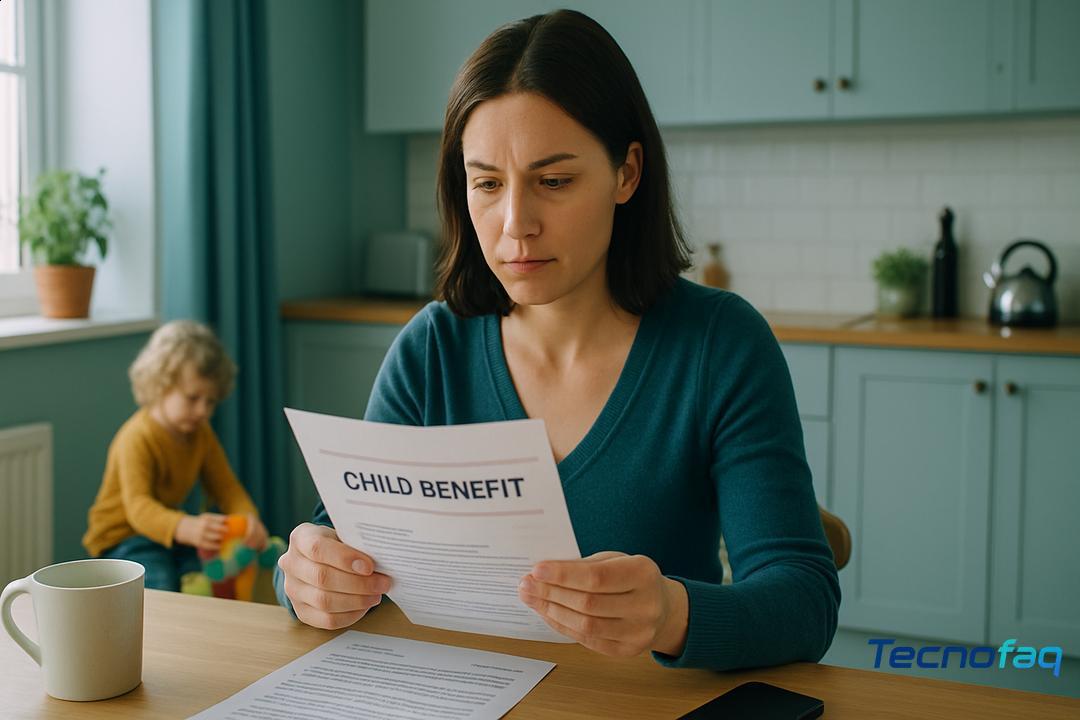
Figuring out child benefit eligibility in the UK can feel a bit like piecing together a puzzle – there are boxes to tick, forms to fill, and plenty of ifs and buts along the way. It’s normal to feel unsure about whether you qualify, when payments might stop, or what the rules mean for your family.
A growing number of UK parents are asking about child benefit eligibility uk, especially as household incomes and family situations change. Even small shifts in earnings or the type of education your child is in can impact your benefit. Official data points out that nearly everyone eligible should claim, yet confusion remains about the ‘high income charge’ and what happens as children turn 16.
There’s a lot of information out there – some is too basic, some gets lost in financial jargon, and quite a bit leaves out real-life details like co-parenting, immigration status, or changing job situations. It’s easy to miss out on options you might have, or to think you’re better off not claiming at all. But rumours and assumptions rarely match the official rules.
This article gives you the clear, up-to-date facts about who can claim, how income affects your entitlement, and how to apply without the headaches. You’ll find practical answers and plain speaking tips to help you make the most of child benefit in your family’s situation.
Who can claim child benefit
If you’re wondering who’s actually allowed to claim child benefit in the UK, you’re not alone. The rules can look complicated, but when you break them down, it’s easier to see if you qualify. Here are the key things you need to know.
What age must the child be?
You can claim child benefit for a child under 16. If your child stays in approved education or training, you can claim until they turn 20. Usually, payments continue until 31 August after their 16th birthday if they’re finishing school that summer. For example, if your teen starts a college course at 16, you could keep receiving payments until they leave that course, as long as it fits the rules for “approved education.”
Residency and immigration rules
To get child benefit, both you and your child must normally live in the UK. If you’ve just arrived and are not working, there’s usually a three-month wait before you can claim. People who move to the UK for work or from certain countries might qualify sooner. For example, if your family moved from abroad and started working in the UK right away, you can claim sooner than someone who isn’t working yet.
Who counts as responsible for a child?
You’re considered responsible if you actually bring up the child day-to-day. This usually means living with them and looking after their needs, not just having legal ties. A parent, step-parent, or adult who cares full-time could meet this rule. For example, if you live with your partner’s child and help raise them, you could count as the “responsible” adult.
Can two people claim for the same child?
No, only one person can claim child benefit for a child at any time. If parents are separated, the one the child lives with most should usually claim. You can’t split the payments between two people. A practical tip: talk with anyone else who shares caring for your child before applying, so you agree on who will receive the payments.
Income thresholds and high income charge
If you or your partner have a higher income, what you keep from child benefit may change. The HMRC uses specific rules for this, so even if your household income feels average, it’s worth checking which person’s income counts.
What is the high income child benefit charge?
This is a tax charge that applies if you or your partner earn above £60,000 a year. It means you may need to pay back some or all of your child benefit through your tax return. HMRC brought this in on 6 April 2013 and increased the limit to £60,000 from April 2024. For example, if someone’s income rises because of a new job or a pay increase, they might find themselves owing this charge for the first time.
How does income affect child benefit?
If your income is between £60,000 and £80,000, you pay back a portion of your child benefit. The more you earn over £60,000, the higher your charge – it’s 1% of your child benefit for every £200 over the limit. Once your income reaches £80,000, the charge equals 100% of child benefit, so you effectively keep none. For example, on an income of £70,000, you’d repay about half the benefit at the end of the year.
What counts as income for these purposes?
The threshold is based on your “adjusted net income.” This is your income after certain deductions, like pension contributions or giving through Gift Aid. It’s more than just your wage before tax. Many people find they can bring their adjusted net income down by paying more into a pension. For example, someone earning just over £60,000 might avoid the charge by increasing pension savings.
Examples of high income scenarios
If both you and your partner earn £59,000 each, even with a joint household income of £118,000, there’s no high income charge because neither person goes over the £60,000 cap. But if one of you earns £80,000, the full amount gets charged, even if your partner earns nothing. Another example: if you earn bonuses or overtime that tip you over the edge, you could end up repaying more than you expect unless you adjust your pension contributions before the tax year ends.
How to apply for child benefit in the UK
Applying for child benefit in the UK doesn’t need to be overwhelming. You can start soon after your child is born, or as soon as a child comes to live with you. The process is straightforward if you know what to expect and have the right details to hand.
Step-by-step claim process
The quickest way to claim is online or with the HMRC app. If you can’t do it digitally, you can fill in a CH2 paper form and post it to HMRC. You can claim 48 hours after registering the birth or as soon as a child moves in with you. It’s important not to wait too long, as delays can affect when you receive payments.
What documents and information do you need?
You’ll need your child’s birth or adoption certificate, your bank account details, and your National Insurance number. If you have a partner, their National Insurance number can help speed up your claim. Sometimes you also need to send your child’s original passport or travel document if they weren’t born in the UK. Always check which papers are needed on the GOV.UK site or ask the Child Benefit Office for advice.
How long does the process take?
Online or app claims are usually handled faster than posting a form. Paper requests may take several weeks, as HMRC needs time to deal with the post and your documents. If you’re sending anything by post, get proof of postage from the Post Office, just in case you need to prove when it was sent. Most families find the quickest way is to claim online as soon as they have all documents ready.
Common mistakes to avoid
Don’t wait too long to claim, you can start just 48 hours after registration, so don’t put it off. Make sure you have the right National Insurance numbers and send any documents HMRC asks for, like the original birth certificate. If posting, always keep a proof of postage. One common error is trying to split the claim with another carer, but only one person can claim at a time. Planning ahead for your paperwork can save delays and hassle later.
When child benefit might stop or change
Child benefit doesn’t always last forever. There are key times it can stop or change, and letting HMRC know about changes quickly is the best way to avoid problems later on.
When a child turns 16 or 20
Child benefit usually stops on 31 August after your child’s 16th birthday. However, if your child stays in approved education or training, you can keep claiming until they turn 20. For example, if your teenager carries on at college or does an approved apprenticeship, you could still receive payments. Just make sure to update HMRC when your child finishes or changes courses, so you don’t get overpaid.
If your circumstances change
Child benefit can end or change if your family’s situation changes. This might include your child moving out, starting full-time work, or your family splitting up. Always tell HMRC straight away if anything major happens – this keeps your payments right and avoids money headaches later. For example, if your child starts working full time at 17, you’ll need to let HMRC know as soon as possible.
Can you restart child benefit after stopping?
Yes, in some situations you can restart child benefit after it’s stopped. If your child leaves education but goes back to an approved course or training, you may be able to claim again up to age 20. A practical tip: contact HMRC as soon as your child’s course or training status changes. The sooner you let them know, the smoother your payments will be, and you’re less likely to miss out if your circumstances change again.
Making the most of your child benefit: Planning ahead for UK families
Making the most of your child benefit can make a real difference to your family’s finances. Even small payments add up over the years, so using this support wisely matters.
One smart option is to put some of your child benefit into savings, like a Junior ISA or a children’s account. Over time, even small amounts can build a useful fund for things like school trips or your child’s first computer. Many parents also use the payments to help with regular costs, such as uniforms, meals, or after-school clubs.
If you or your partner earn enough to pay back the full benefit through the high income charge, there’s still a good reason to keep claiming. By registering, you can protect your National Insurance credits. This can help you qualify for a full State Pension, even if you’re out of work while caring for your children. Experts often remind parents, “Never assume you should stop your claim just because you earn a higher income.”
It’s worth reviewing your situation every year. Changes like starting or finishing a course, moving jobs, or separating can all affect your entitlement. Check with HMRC or an advice service if you’re unsure. With a bit of forward planning, child benefit can play a useful part in your family’s long-term financial security.
Key Takeaways
This guide covers the key facts and practical steps for claiming and managing child benefit in the UK.
- Eligibility is based on responsibility: Only one person can claim child benefit for each child, and you must usually live in the UK.
- Age and education rules apply: Payments generally stop when a child turns 16, but can continue until age 20 if they are in approved education or training.
- High income charge: If you or your partner earns over £60,000, you may need to repay some or all of your child benefit through a tax charge, which is fully applied at £80,000.
- Claim process is straightforward: You can apply online, via the HMRC app, or by post, with all necessary documents like the child’s birth certificate and National Insurance numbers.
- Review and notify changes: Inform HMRC right away if your child leaves education, starts full-time work, or major household changes occur, to avoid overpayments or missed benefits.
- Restarting is possible: If your child leaves and later resumes approved education or training before age 20, you may be able to restart your claim.
- Even high earners should register: Claiming can protect your National Insurance credits, helping to secure your future State Pension rights.
- Planning ahead makes a difference: Using child benefit for savings or essential costs and reviewing your situation annually can help your family get the most value.
The main message is to stay informed, act promptly with changes, and make the most of child benefit to support your family’s financial wellbeing.
Yes, you can still claim Child Benefit even if you earn over £60,000. However, you may have to pay a tax charge that reduces or cancels the benefit, depending on your income.
To apply, you need to claim Child Benefit with HMRC. Usually, the person who takes care of the child day-to-day makes the claim, and only one person can claim for each child.
Child Benefit normally stops when a child turns 16, but can continue up to age 20 if they stay in approved education or training and HMRC is informed.
You usually need to live in the UK and be responsible for the child. The child must also live in the UK, and payments can stop if you spend too long abroad unless special exceptions apply.