
Emergency fund savings: How to build and maintain financial security
Emergency fund savings made simple: Learn how to build, protect, and use your safety net for true financial security, step by step.
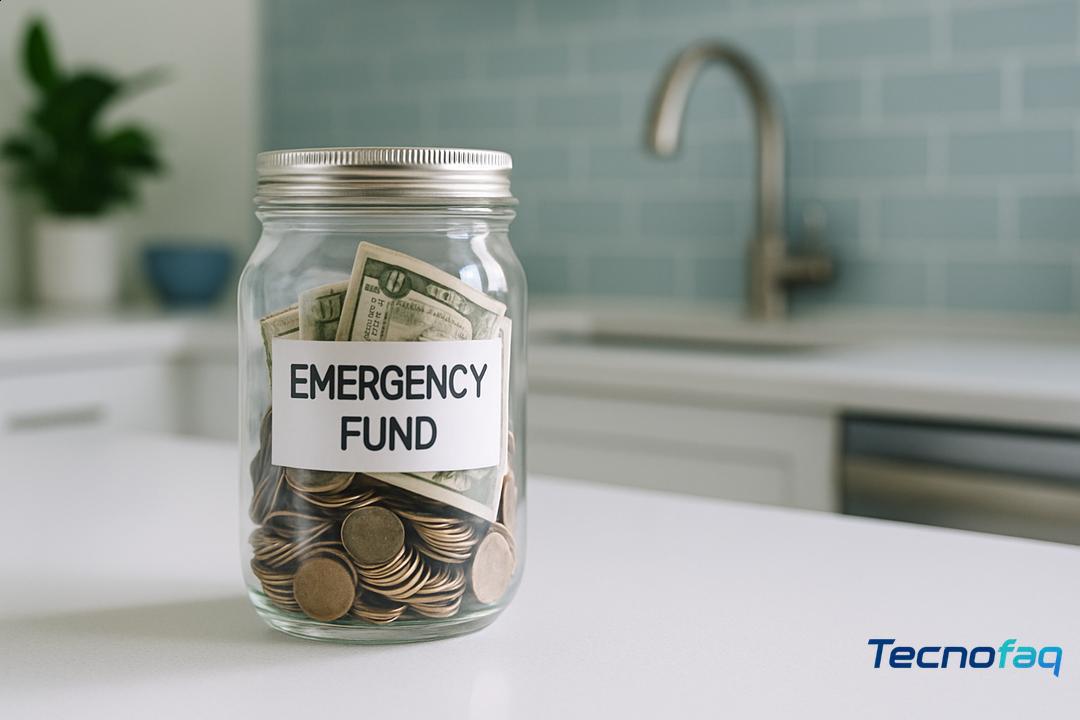
What would you do if your car broke down tomorrow, or you suddenly lost your job? Most people don’t like to think about these uncomfortable “what ifs”, but unexpected expenses are a fact of life. Having even a small safety net can turn a crisis into just a hiccup.
With everyday costs rising and savings rates still low for many, building an emergency fund savings is a growing concern among people across the UK. Research consistently shows that even £500 put aside can make a huge difference when life throws you a curveball. Yet, more than a quarter of UK adults have little or no rainy day fund at all, leaving them one urgent bill away from real financial stress.
The problem? Quick fixes like dipping into credit cards or payday loans often create bigger headaches later on. Apps and tips promising “instant savings” rarely address the real challenge: setting clear goals, sticking to a plan, and making it stress-free to maintain your own financial cushion.
This article is here to help you do just that. We’ll cover what an emergency fund really is, show you how to set realistic targets, give you smart steps for building up your personal safety net, and share practical tips for protecting your savings against everyday temptations. By the end, you’ll know exactly how to start, grow, and use your fund, so you can face life’s surprises with confidence.
What is an emergency fund and why you need one
We all face surprise bills from time to time. An emergency fund acts as your financial safety net, giving you some peace of mind when life gets messy.
Defining an emergency fund and its purpose
An emergency fund is a pot of savings you set aside for urgent, unexpected costs. This isn’t for things you plan to buy or everyday spending, it’s for real surprises like losing your job or major home repairs.
The goal is to avoid debt or financial stress when the unexpected happens. Most experts suggest aiming for enough to cover three to six months of essential living costs. But even a small start, like building up £500 or £1,000, can help more than you think.
A good tip: Keep this money in a separate, easy-access savings account so you’re not tempted to dip in for regular purchases.
Common emergencies covered by your fund
Your emergency fund should help cover anything urgent and unexpected. This includes things like your boiler breaking down, car repairs you can’t avoid, emergency travel, or urgent dental work.
For example, if your washing machine gives up or you face a sudden job loss, your fund steps in. Covering these costs from savings, instead of borrowing, reduces stress and keeps your finances on track.
Write a list of things you’d class as a real emergency. This makes it easier to decide when to use the fund and when to leave it alone.
Why emergency funds matter for financial stability
Having even a small emergency fund makes a big difference. According to recent research, many people in the UK have less than £500 saved for emergencies. This puts them at risk if an urgent bill arrives.
An emergency fund gives you options. It can help you avoid expensive loans or going into debt, and it lets you handle problems quickly. Knowing you’ve got a safety net also brings real peace of mind.
Try setting a small goal at first, then top your fund back up whenever you use it. Over time, this habit helps you build long-term stability, no matter what comes your way.
Setting a realistic emergency fund goal
Setting your emergency fund goal is all about making sure you’re covered for unexpected events, without aiming for an amount that feels impossible. It’s about balancing what’s practical with your real needs and situation.
How much do you really need?
The general rule is to save enough to cover three to six months of essential expenses, like rent, bills, and groceries. But you don’t have to reach that target right away.
Many experts recommend starting with £500 to £1,000 as a “starter fund.” This helps you tackle smaller emergencies, such as urgent repairs, while you work towards a bigger goal.
If a big target feels out of reach, remember that building your fund slowly is still helpful. Even a small amount makes a difference in a crisis.
Factors that affect your ideal goal
The right savings target will be different for everyone. Your job security, number of dependents, housing costs, and level of debt can all affect how much you need in your emergency fund.
If you have kids, a mortgage, or work that isn’t steady, a higher goal will give you better peace of mind. If you live alone and have a stable job, a lower target might suit you.
Take a few minutes to note your monthly “must pay” bills. This can help you set a goal that fits your personal situation.
Starting small: building up over time
You don’t need to save a huge amount overnight. Many people find it works best to set up a regular transfer to their savings, even if it’s just £10 or £20 a week.
Try making this transfer automatic each payday to build your fund without thinking about it. If you dip into the fund for a real emergency, top it up again slowly in the months that follow.
Small, regular steps help you make steady progress. The important thing is to start, your future self will thank you.
Steps to start and grow your emergency savings
Starting your emergency savings might feel tough, but breaking it into simple steps makes it much more doable. The ideas here are practical and work with any budget size.
Choosing a savings account for your emergency fund
The best place for your emergency fund is a savings account you can access quickly when you need it, like an easy-access or instant access account. These accounts mean you don’t have to wait days to withdraw your money if life throws a curveball.
Try to pick an account that pays a bit of interest. Keeping your emergency money separate from your main bank account helps you avoid dipping in for things you don’t really need.
One idea is to name your account “Emergency Fund” so you always know exactly what the money is for.
Automating regular savings
Setting up an automatic transfer into your emergency fund each payday is one of the easiest ways to save. You decide on an amount, £10, £20, or whatever works, and it moves over on its own.
Paying yourself first in this way helps make saving a habit, not just a wish. Financial experts say people are far more likely to reach savings goals when they automate contributions.
Think about setting a calendar reminder to check your progress every few months. Making savings automatic is like putting your emergency fund on autopilot.
Making saving part of your monthly budget
Treat your emergency fund like any other must-pay bill. Write it into your regular budget so it gets paid before any extra spending.
Even saving £10 or £20 a week adds up quickly, over £500 saved in a year is possible for many people. If you run into a real emergency and need to use some of the fund, just start topping it up again when you can.
This approach fits savings into your routine and helps you grow your safety net bit by bit, one month at a time.
Tips for protecting and using your fund wisely
Your emergency fund works best as a true safety net, so keeping it safe and using it with care is key. The tips here help you make the most of your fund, both when you need it and when you don’t.
When (and when not) to dip into your fund
Only use your emergency fund for real emergencies. These include things like job loss, urgent car or home repairs, or a family medical emergency that you didn’t see coming.
Avoid dipping in for routine bills, holidays, or shopping. Think of your fund as your last resort for urgent needs only. If you’re not sure, sleep on it, waiting a day can save you from regrets later.
One simple test: ask yourself if you’d borrow money or use a credit card to cover this cost. If the answer is yes, it might be a true emergency.
How to replenish after an emergency
If you need to use your fund, the next goal is to build it back up. Set a small, regular plan for topping up, just like you did when you started your fund the first time.
Try adding a bit extra into your savings each month. Some people use windfalls, like tax rebates or small bonuses, to boost the fund. The key is steady progress rather than stressing about replacing it all at once.
Review your progress every few months to keep rebuilding on track.
Keeping your fund safe from temptation
Keep your emergency savings in a separate account, ideally not linked to your day-to-day bank card. Labelling the account as “Emergency Fund” makes it clear what it’s for, and gives you a gentle reminder not to touch it without a good reason.
Research shows people who keep their fund separate and labelled are less likely to spend it on non-urgent things. You might even use a different bank for your emergency fund, making it just a little bit harder to access on a whim.
This helps you protect your safety net, so it’s ready whenever you truly need it.
Building financial resilience for the long run
Building financial resilience for the long run means preparing your finances to absorb shocks and ride out tough times, without falling behind on your goals. The goal is to have enough liquid savings, manageable debt, and stable cash flow to weather life’s surprises and stay on track.
Experts often recommend having at least three to six months of essential living expenses set aside in a cash fund. Keeping monthly consumer debt payments below 15% of your take-home pay also helps build a stronger foundation for the future. Financial resilience grows when you combine some savings, manageable debts, and smart use of things like insurance or work benefits.
Simple habits make all the difference. Automate a regular transfer into your savings, even a small amount. Use a written budget each month, and pay down high-interest debts first when you can. If your employer offers a retirement match, try to take advantage of it, it’s extra money for your long-term security.
Think of resilience as an ongoing project. Tackle high fixed costs, avoid relying too much on credit, and keep learning new money skills as you go along. Spreading your risk, like having different sources of income and maintaining the right insurance, also helps families cope with life’s ups and downs. The sooner you start building up your financial cushion, the more confident you’ll feel about whatever comes next.
Key Takeaways
This article explains how to build, use, and protect an emergency fund to achieve real financial security.
- Emergency funds provide a safety net: They help cover life’s surprises like job loss, urgent repairs, or medical emergencies.
- Start with a realistic goal: Most experts recommend saving three to six months of essential expenses, but even £500 to £1,000 is a great first target.
- Personalise your fund size: Your goal should reflect your unique situation, including job stability, family size, and fixed costs.
- Choose the right account: Keep your emergency fund in a separate, easy-access account that pays interest and avoids daily spending temptation.
- Automate your savings: Setting up regular transfers, even of £10-£20 weekly, makes growing your fund simple and sustainable.
- Protect your fund for true emergencies: Use your savings only for urgent, unexpected needs, and avoid tapping into it for routine bills or planned expenses.
- Replenish after use: If you dip into your fund, have a plan to top it up again, building resilience for the future.
- Financial resilience is a journey: Regular saving, smart budgeting, and ongoing learning help you face the unexpected with confidence.
The main message: Start small if needed, keep your fund protected, and approach savings as a long-term habit for lasting security.
An emergency fund is money set aside specifically to cover unplanned expenses or financial emergencies, like job loss or urgent repairs.
Most experts recommend saving three to six months’ worth of essential living expenses. Starting with a smaller amount, such as £500 or £1,000, is also helpful.
The best place is a safe, easily accessible account, such as a savings or money market account. Avoid accounts where you might be tempted to spend the money for non-emergencies.
You should use your emergency fund for unexpected, necessary, and urgent expenses, like medical emergencies, major repairs, or loss of income. Avoid using it for planned or discretionary spending.