
How to budget effectively for better financial control
How to budget effectively, take control of your money, reduce stress and feel more confident about reaching your goals with practical steps you can follow.
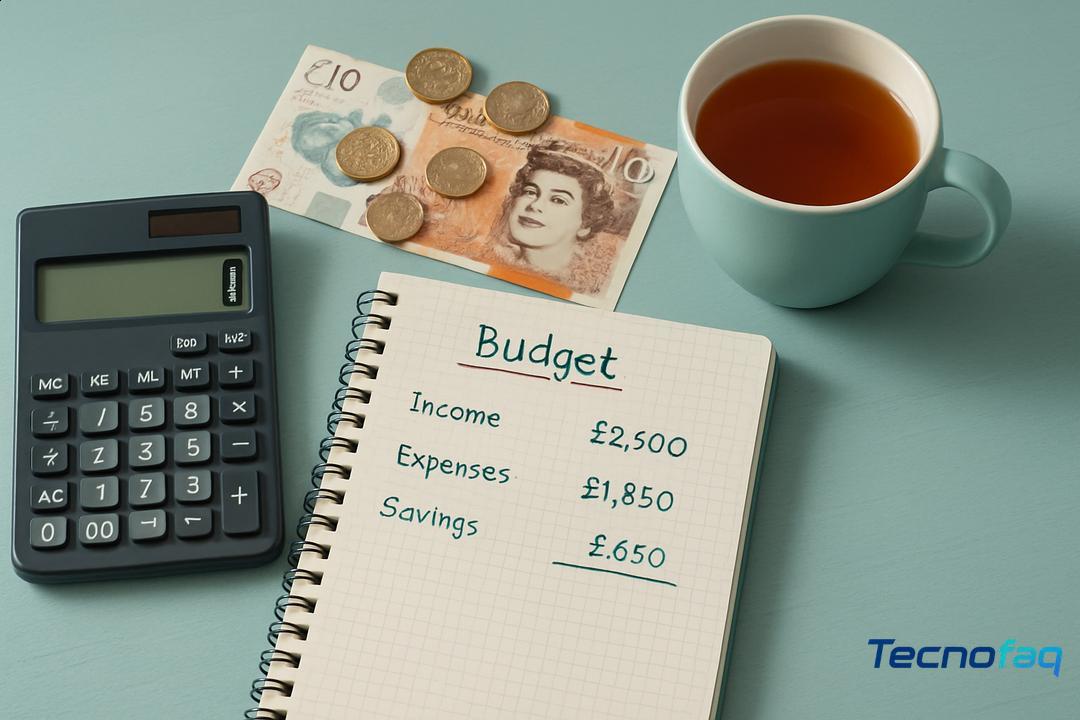
Ever feel like your paycheque disappears faster than you can blink? You’re not alone. Figuring out exactly where your money goes every month can be confusing, and sometimes a little scary. That’s why learning how to budget is often the first step towards feeling more in control of your money.
For many in the UK, making ends meet is a growing concern. Research and surveys show budgeting is one of the most common questions people have about personal finance. Building a habit around how to budget effectively helps reduce monthly stress, makes saving possible, and increases your confidence, no matter how much you earn.
Lots of articles promise a quick fix, just “cut back” or follow the latest app. But in real life, a one-size-fits-all approach rarely works. Everyone’s expenses, income, and priorities are different. The key is finding a system that suits your own situation, and sticking with it even when things change.
This guide offers a step-by-step, practical approach to budgeting that fits the way you actually live. We’ll look at setting goals, tracking your money, choosing a method, and how to keep your plan going, even when life throws you a curveball. Whether you’re just getting started or want a reset, you’ll find tips and tools to help you take control.
Setting realistic financial goals
Setting realistic financial goals starts with being honest about what you want and need from your money. You’ll find things much more manageable if you break your aims into clear steps and focus on what matters most to you right now and later on.
Short-term vs long-term goals
Short-term goals are the things you hope to achieve in the next year, like saving for Christmas, building a small emergency fund, or paying off a credit card. Long-term goals are those that need several years, such as saving to buy a home or planning for retirement.
Keeping these two types of goals separate helps you focus. For example, building a rainy-day fund might take just a few months, while saving for a deposit on a house could take three to five years or more. It’s easier to stay motivated when you see progress with your short-term goals, even if the long-term ones take longer to achieve.
Prioritising needs over wants
The best way to get ahead is to deal with your needs first. Needs are things like rent or mortgage, food, bills, debt payments, and emergency savings. Wants are the extras, like shopping, eating out, and holidays, that aren’t essential for your wellbeing.
For example, many people find that cutting back a little on non-essentials, even just for a few months, helps free up money to put towards an emergency fund. Some set a target, like saving £100 each month for six months, and make small changes to daily spending to reach it.
Making your goals measurable and achievable
To have the best chance of success, make your financial goals measurable and achievable. One common way to do this is by using the SMART approach, your goal should be specific, measurable, achievable, relevant, and time-bound.
Rather than saying “I want to save money,” you might set a goal like “I want to save £500 for car repairs over the next five months”, that way, you know exactly what you’re aiming for and by when. Breaking big goals into smaller monthly steps, and checking your progress in a notebook or budgeting app, can help keep things on track. People often find that a simple habit of reviewing monthly helps keep bigger aims realistic and doable.
Tracking your income and expenses
To get a clear picture of your finances, you need to track exactly what comes in and goes out. This means looking at all your sources of income and every bit of spending, not just the obvious stuff. Being detailed now will save you hassle later.
Listing all sources of net income
The first step is to add up your net income, which is the money you actually receive after tax and other deductions. This includes your wages, but also any side jobs, freelance work, benefits, interest from savings, or anything else that puts extra cash in your pocket.
If you get paid from different sources, list each one on your budget. For example, if you have a job and do a bit of freelance work on the side, make sure both are included. This helps you see the real amount you can use every month.
Categorising spending: fixed vs variable costs
Next, break down your spending into two groups: fixed and variable costs. Fixed costs are the same each month, like rent, mortgage, energy bills, or car payments. Variable costs change month to month, like how much you spend on food, travel, or entertainment.
Many people use frameworks like 50/30/20 to help, about 50% of your money for needs, 30% for wants, and 20% for savings or debt. Start by writing down all your fixed costs first, since they’re not optional, then look at the rest and see where you might cut back if needed.
Factoring in irregular expenses
Don’t ignore irregular expenses. These are things like annual insurance bills, car repairs, birthdays, or Christmas that don’t happen every month but can really throw you off if forgotten.
One practical way to handle these costs is to spread them out over the year with a monthly sinking fund. For instance, if car repairs usually cost you £600 a year, put aside £50 every month so you’re ready when the bill comes. Checking your bank statements or using a budget app makes it easy to spot these and plan ahead.
Choosing the right budgeting method
There’s no one-size-fits-all way to budget. The best method is the one you’ll actually stick with, whether it’s basic or detailed. Knowing a few popular systems can help you pick what matches your life and pays off in the long run.
The 50/30/20 rule explained
The 50/30/20 rule is a straightforward way to manage your after-tax income. You split your money into three groups: 50% for needs like bills and rent, 30% for wants such as outings or hobbies, and 20% for savings or debt payments. It’s very popular with beginners because it’s simple and doesn’t need much tracking.
For example, if you take home £2,000 a month, £1,000 would go to needs, £600 to wants, and £400 for savings or paying off debt. This rule works best if your income is steady and you want an easy budget check each month.
Envelope or bucket systems
The envelope or bucket system helps with self-control. You set a limit for each category, like groceries, and use either cash in envelopes or digital pots to separate the money out. Once the money is gone, you stop spending in that category.
This method is ideal if you tend to spend too much or want a physical reminder of your limits. Many banks now let you create digital buckets for different expenses, which works almost the same as cash.
Digital tools and spreadsheets: pros and cons
Many people now use apps or spreadsheets for budgeting. These tools can track your spending, sort expenses into categories, and alert you when you’re near your limit. Apps are great for automation and reminders, while spreadsheets give you total control over every detail.
The downside? Apps and spreadsheets still need you to keep them updated. Some find it easy to ignore a budget app after a while, while others like the hands-on feel of a paper list or envelopes. The key is to try a system for a few months and see what really helps you stay on track.
Sticking to your budget plan
Sticking to your budget can be tough, life gets in the way. Things pop up that you didn’t plan for, and motivation goes up and down. With a few simple habits, though, you can stay on track most months and bounce back even after setbacks.
Dealing with unexpected costs and setbacks
The best way to handle unexpected bills or emergencies is to be flexible and regularly review your budget. If you get a bill for a broken appliance or a medical cost, adjust your other spending categories that month to make room. Studies suggest that people who review and update their budget after a setback are more likely to recover quickly and avoid new debt.
One practical tip is to create a small emergency fund just for these surprises. Even saving a little each month adds up and gives you peace of mind.
Accountability: sharing your progress with someone you trust
If you find it hard to stay motivated, try sharing your progress with a friend or family member you trust. This is called accountability, and it makes a real difference. Many people say simply telling someone about their goals helps them stick with it longer.
You might do a monthly check-in where you chat about what went well and where you struggled. This can be as simple as sending a quick update text or having a coffee chat.
Rewarding small wins to stay motivated
Rewarding yourself for progress, no matter how small, keeps you motivated. Psychologists agree that celebrating your achievements, even if it’s just reaching a savings milestone or paying off a small debt, helps you build stronger habits over time.
Make a list of small, affordable rewards that make you feel good. For some, it might be a favourite treat or a night off from cooking. Mark down your wins, and let yourself feel proud of what you’ve done.
Adjusting your budget over time
Your financial situation won’t stay the same forever. Reviewing and adjusting your budget is part of good money management. Staying flexible helps you handle whatever life throws your way, so your budget keeps working for you.
When and how to review your budget
The best approach is to check your budget every month, or at least a few times a year. This lets you spot problems, catch overspending, and keep your plan realistic. Some people make it part of a routine, like sitting down with a cup of tea on the last Sunday of each month.
Even a quick 10-minute review can show if you’re on track or if spending habits are creeping up. Adjust any categories that keep going over, and remind yourself of your goals.
Adjusting for pay rises or reduced income
Whenever your income changes, your budget needs a change, too. Get a pay rise? Consider upping your savings, paying extra towards debts, or setting aside a treat. If you lose income or get fewer hours at work, look right away at what you can trim, especially non-essential spending.
Experts suggest always reviewing your plan as soon as your payslip changes, don’t wait until you’re feeling financial pressure. Even small tweaks can help you avoid falling behind.
Adapting your plan as life changes
Big life events almost always affect your money. Things like moving house, having a baby, illness, or changes in family size all mean it’s time to revisit your budget. Plans made for a family of two won’t work for a family of three.
One practical tip: use a checklist when big changes happen, such as new expenses or changed income, and adjust your plan straight away. Reviewing your budget several times a year, especially after changes, keeps it useful and realistic.
Budgeting for real life: making it work in the UK today
Budgeting for real life in the UK today is all about making your money stretch further in tough times. With prices on energy, food, and rent rising, a flexible and honest plan can help you stay in control, even when things feel tight.
Many households are feeling squeezed right now. Reports from charities and banks show that energy bills and grocery spending are taking a bigger chunk out of incomes each month. More people are finding it harder to cover rent or mortgage payments, and some have to make choices about which bills to pay first. This is often called the cost of living crisis. If you get support like Universal Credit or other benefits, it’s even more important to track what comes in and goes out.
One thing experts agree on is that there is no perfect plan, what matters is staying flexible and being ready to adjust as prices or wages change. Simple digital budgeting tools, or even a paper list, can help you spot problems and focus on your priorities. Some families review their shopping lists weekly, look for discounts, or use loyalty points and cashback offers to stretch the budget.
If you feel stuck, start by listing your essential expenses, food, bills, housing, and see if there are small cuts you can make elsewhere, rather than just looking for big savings. The trick is to check in with your plan regularly, celebrate small wins, and don’t be afraid to change what’s not working. This approach makes budgeting a habit that fits real life in the UK.
Key Takeaways
This guide offers practical steps to help you take control of your finances and build a budget that fits your real life.
- Set clear, realistic financial goals: Decide on your short-term and long-term aims, focusing first on essentials and needs.
- Track all income and expenses: Regularly write down every source of net income and all spending, including variable and irregular costs.
- Choose a budgeting method that works for you: Options like the 50/30/20 rule, envelope system, or digital tools all have their own strengths—pick one you’ll stick with.
- Be prepared for setbacks: Unexpected costs are normal, so adjust your budget when needed and keep a small emergency fund if possible.
- Stay motivated with accountability and small rewards: Share your progress with someone you trust and celebrate small wins to build lasting habits.
- Review and adjust your plan regularly: Check your budget every month or after life changes, and update targets for pay rises or new expenses.
- Adapt your budget to real UK challenges: With rising living costs, prioritise essentials, look for savings on groceries and bills, and review your plan often.
The key message is that building a flexible, honest budget and checking in regularly are the best ways to feel confident and gain control over your money.
Begin by listing your income and all your expenses, then set clear financial goals. Start simple and adjust as you learn more about your spending habits.
You can use a budgeting app, a spreadsheet, or even pen and paper. The key is to record every source of income and all expenses regularly, so nothing gets missed.
Many experts suggest saving enough to cover 3 to 6 months of essential expenses. If that’s not possible, start with a small, regular amount and build up over time.
Allow yourself some flexible spending for small treats, and focus on rewarding progress. Regularly reviewing your goals and celebrating small wins can help you stay motivated.