
Cut grocery costs UK: Smart ways to save on your weekly shop
Cut grocery costs UK with real, practical tips. Learn smart ways to budget, shop, and waste less while still eating well.
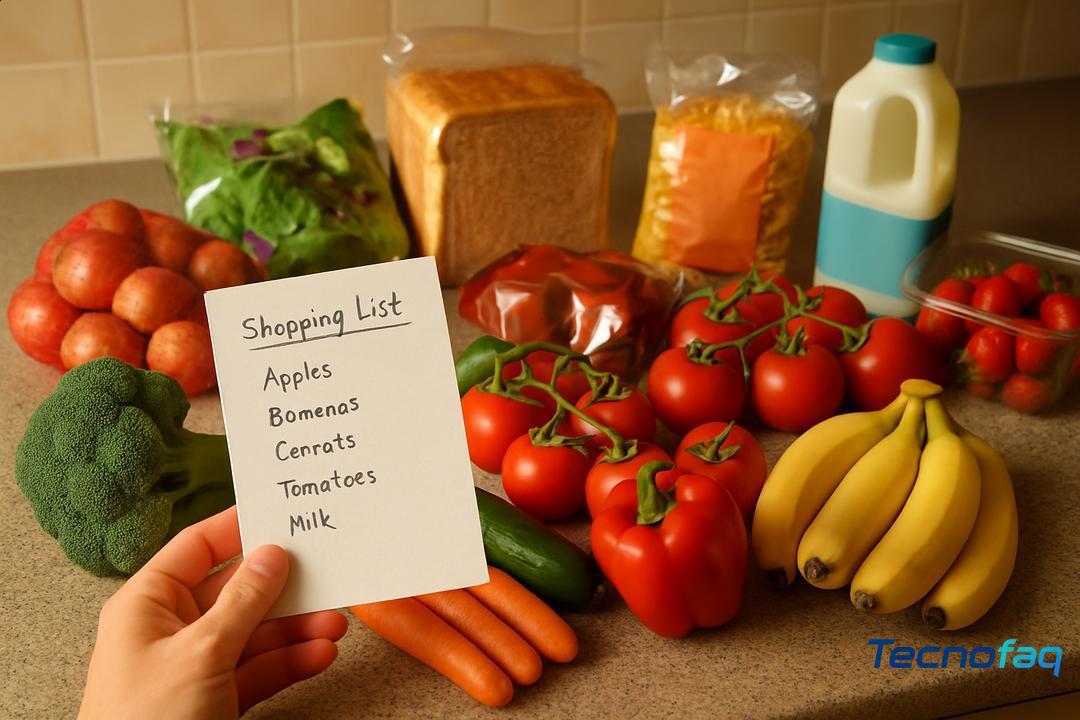
Ever left the supermarket shocked at your total, even though your trolley looks almost empty? You’re not alone. With prices rising, more and more people are hunting for ways to get smarter with their weekly shop and actually cut grocery costs UK.
Households across Britain have felt the pinch lately as food prices continue to rise. According to consumer experts, food inflation and shrinking product sizes have left many struggling to keep their food budget under control. Battling empty shelves, big brands going up in price, and more complicated deals is now a regular part of grocery shopping. The drive to cut grocery costs UK has become one of the most common household challenges, especially for anyone on a tight budget or fixed income.
But just grabbing the first item with a yellow sticker, or switching to cheaper shops for one week, usually doesn’t make a long-term difference. Many tips you read online miss key details or aren’t realistic for families with busy schedules or fussy eaters.
This guide is different. We’ll give you down-to-earth, proven ideas that work in real life, not just in theory. You’ll see how to set a practical food budget, pick the right supermarket for your needs, stack up rewards and discounts, and waste less food without sacrificing nutrition or taste. Ready to see your weekly bill start shrinking? Let’s get started.
How to create a realistic grocery budget
Getting to grips with your grocery spending is one of the smartest ways to save money long-term. The first step is knowing exactly what you spend, then setting a budget that fits your real life, and sticking to it week after week. Here’s how to do it, step by step.
Finding your true weekly spending
The best way to cut food costs is to know where your money actually goes each week. Start by checking your grocery receipts, bank statements, or supermarket app spend for the last two months.
Many people find they’re spending more than they thought. For example, one UK family kept receipts for eight weeks and found they’d been spending £82 a week, instead of the £60 they guessed. Small top-up shops and impulse buys add up fast.
An easy tip: put all your grocery receipts in an envelope or take photos of them on your phone. At the end of each week, add up the total. You’ll spot hidden spending straight away.
Setting a budget that works for you
Once you know your real weekly average, set a budget you can stick to. Don’t aim for the lowest amount possible; choose a limit that fits your family, tastes, and schedule.
Budgeting experts say it’s better to try your normal spend for a month before cutting back. This way, your budget is based in reality, not guesswork.
If you use a notebook, an app, or even the “envelope system” (where you put your weekly cash in an envelope), the method doesn’t matter. Pick one that fits your habits best.
Be flexible. If prices rise or family plans change, adjust your budget as needed. It’s not about being perfect but about making progress.
Tracking your spending over time
Sticking to a budget means checking your spending each week, not just at the end of the month. This helps you spot when you’re going over and change things quickly.
Many people use simple tools: an app, a notepad by the fridge, or a calendar to mark spend and meal plans. Some like colour-coding food, cleaning, and toiletries so they can see patterns in one place.
Tracking regularly turns a budget from an idea into a tool that helps you stop overspending and build savings on your weekly shop. Keep it simple so you’ll actually keep it up.
Choosing affordable supermarkets and brands
Picking a supermarket and the right brands can make a big difference to your weekly shop. By checking where things are cheapest, buying shop-brand products, and knowing when a deal is real, you can keep more money in your pocket.
Comparing supermarket prices in the UK
The cheapest shop can change from week to week. Use comparison apps or websites to see who charges less for your regular items. Some apps, like Trolley and Grocery Compare, claim you could save up to 30 percent by switching supermarkets or brands.
Look at the unit price, not just the pack price. This tells you what you’re really paying for each gram or millilitre. For example, the same cereal may look cheaper in a smaller box but cost more per bowl.
A simple tip: check prices for five to ten items you buy most. You might find a shop that’s always cheaper for bread, milk, and eggs.
Trying own-brand and budget ranges
Shop-brand products, also called own-brand or budget ranges, usually cost less than big brand names. For basics like milk, bread, eggs, and chicken, shops like Aldi and Lidl have some of the lowest prices. In one price check, milk was 99p, bread 59p, and eggs £1.99 for ten in Aldi.
Some people worry own-brands taste worse, but blind tests often show they match or even beat the names you know. Try swapping just one branded product a week for a shop brand and see what your family thinks.
Spotting supermarket deals without overspending
Supermarkets use deals to tempt you to buy more, even when it’s not a real bargain. Look for loyalty offers, but check the shelf price first. Only buy a deal if it’s something you already use, and the offer actually beats the regular price.
Comparison apps or websites can help spot fake discounts by showing monthly price changes. An easy trick: take a photo of a shelf label with your phone and check it next month to see if the “deal” is really new.
By staying alert and making a few smart swaps, you can lower your grocery bill without missing out on what you enjoy.
Making the most of discounts and loyalty schemes
Discounts, loyalty cards, and those yellow stickers on reduced food can really help cut your weekly shop if you use them wisely. But it’s easy to get carried away by the promise of savings. Here’s how to make every discount count without wasting money.
How loyalty points and schemes work
Loyalty cards like Tesco Clubcard or Sainsbury’s Nectar give you points for every pound you spend. Often, 100 points mean £1 to spend back in store. Look out for bonus points or member-only prices. But remember, it only saves you money if you’re still buying what you need, not picking up extras just to get points.
Plenty of shoppers save more by saving up their points for Christmas or big shops, so check if this works for your budget. Watch for double-points events or partner offers for even more value.
Using discount apps and coupons effectively
Discount and cashback apps, like Shopmium and SuperSavvyMe, give you digital coupons for money off, or sometimes even free branded products. Sometimes you can use more than one app for the same shop. This can double your savings if used correctly.
A handy tip: check the app before you go shopping to see what offers are live. Make sure to buy only items you’ll use. Saving a pound on something nobody eats at home isn’t really a saving.
Timing your shop for ‘yellow sticker’ bargains
Yellow sticker bargains are items that have been marked down to clear before their best-before date. Many shops add these discounts late afternoon or evening, sometimes cutting prices by up to 75 percent. Planning your food shopping for these times can mean big savings, especially on fresh foods you can freeze.
But try not to buy just because it’s cheap. If you can’t eat or freeze it, it’s still wasted money. One practical idea is to keep freezer space for bargains you know your family will use, so nothing goes to waste.
Tips to reduce food waste and maximise leftovers
Food waste is a big problem for many households, but a few simple changes can help your food last longer and your money go further. Focus on storing food the right way, making meals from what’s left, and knowing what date labels mean to save the most.
Storing food to make it last longer
The way you store food makes a big difference. The average UK household throws away about £700 of food every year, with most waste coming from homes, not shops. Try freezing bread you’re not going to eat soon, and wrapping cheese tightly before putting it back in the fridge.
Put opened jars or leftovers in clear tubs and label them with the date. Meal planning and keeping your fridge organised means you spot things before they go bad. Small habits like these help you save what you buy.
Transforming leftovers into new meals
Leftovers can save you cooking time and money. Roast chicken, for example, can be turned into sandwiches, a quick curry, or soup. Extra veg can become stir-fries, omelettes, or pasta dishes. Many families make a Friday ‘leftovers night’ to clear out the fridge before the weekend shop.
Planning a meal or two each week using bits you already have can quickly cut waste. Label leftover meals with the date they were cooked before placing in the fridge or freezer.
Understanding supermarket date labels
Understanding food date labels really helps cut waste. ‘Best before’ is about quality, not safety. Food can usually be eaten after this date, but it might not be perfect. ‘Use-by’ dates are different, they are about safety, so don’t eat food after this date, even if it looks fine.
If in doubt, check official NHS advice or the Love Food Hate Waste campaign for safe guidelines. Use your freezer to save food before the use-by date, and try planning meals around what needs using up first.
Finding long-term savings for your household shop
The real way to make your grocery budget work is to build habits that save money week after week, not just one-off tricks. Long-term savings come from planning your meals, shopping smart, and sticking with small changes that become part of your routine.
Research shows UK families who meal plan waste less food and spend less over a year. Even saving £10 each week adds up to over £500 a year, which could be a whole month’s shop for many. Planning meals means you buy only what you really need and use up more of what’s already at home.
Buying in bulk can be cheaper for goods you use often, like pasta or rice, but only if you have the space and won’t let it go off. Batch cooking helps too, making extra of a dish means you have lunches or dinners ready from the freezer, so you’re less tempted by takeaways.
It can also pay to review your shopping habits every few months. Prices and deals change, and it’s easy for costs to creep up without noticing. Some shoppers say switching their main shop to a cheaper supermarket brought them big savings. Others found cutting out small top-up shops or sticking to a written list had the biggest impact.
The main thing is to build a set of saving habits that you’ll actually keep up. Over time, those steady changes do more for your budget than chasing short-term deals.
Key Takeaways
This article shares the most practical and effective ways to cut grocery costs in the UK and get more value from your weekly shop.
- Create a realistic budget: Track your real spending for a few weeks to reveal hidden costs, then set a flexible budget you can stick to.
- Compare supermarket prices: Use apps or websites to find the cheapest places for your staple foods, checking the price per unit for real value.
- Try own-brand and budget ranges: Many supermarket own-brand items cost much less than famous brands and often score well in taste tests.
- Maximise loyalty schemes and discounts: Collect points on loyalty cards, use discount and cashback apps, and plan your shop to catch the best offers without buying unnecessary extras.
- Take advantage of reduced-price ‘yellow sticker’ items: Shopping later in the day can help you snap up big discounts on fresh food that’s close to its date, especially if you can freeze or use it soon.
- Reduce food waste: Store food carefully, use leftovers creatively, and learn the difference between ‘best before’ and ‘use-by’ dates to save an estimated £700 per year per household.
- Plan for long-term savings: Meal planning, buying in bulk for items you use often, and regularly reviewing your habits help savings add up week after week.
- Build lasting habits: Staying consistent with lists, meal plans, and avoiding impulse buys typically brings bigger savings than chasing one-off deals.
The main message is that small, steady changes and conscious habits give the best results for cutting weekly grocery costs without sacrificing quality.
Try switching to supermarket own brands, using frozen items for some meals, and buying staple goods when they’re on offer. Meal planning and checking price per kilo also help you save while maintaining good nutrition.
Yes, meal planning usually helps people buy only what they need and use up what’s already in their fridge or cupboards. It can greatly reduce both food waste and overspending.
Go shopping with a set budget and a written list. Avoid shopping when you’re hungry, and try to stick to items you planned in advance.