
Cheap meal ideas UK: Easy recipes for saving money on food
Cheap meal ideas UK for savvy cooks. Discover easy, budget-friendly recipes, and top tips to save money on weekly food shopping.
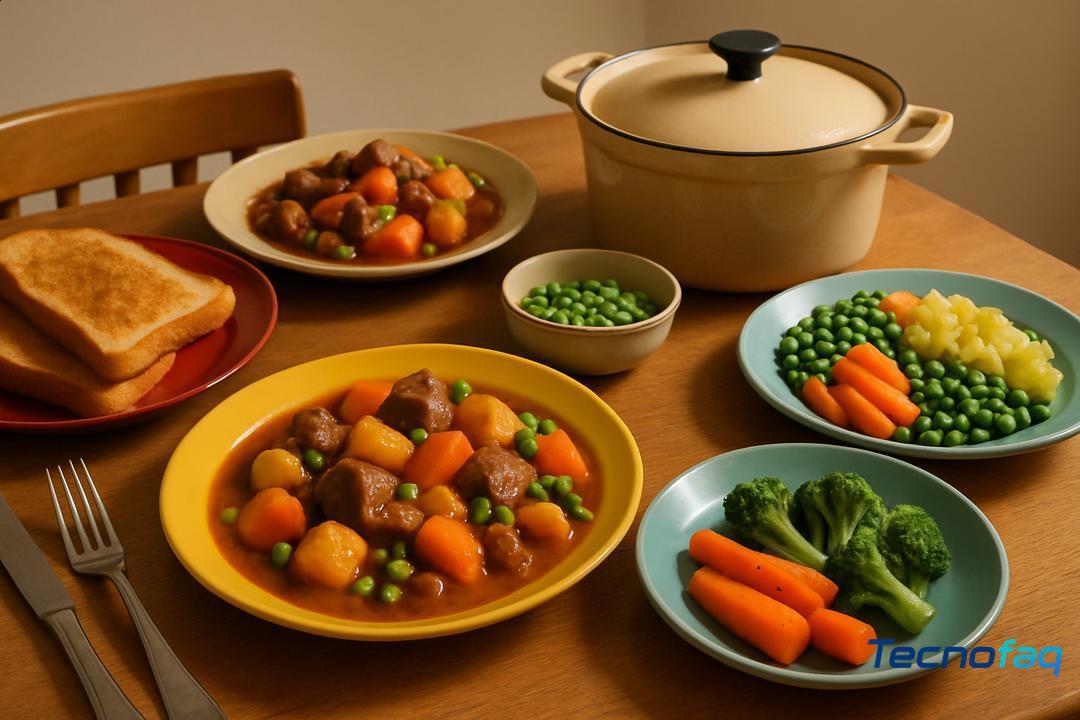
Ever stare into the fridge feeling like you need a magic trick to whip up something tasty without busting your budget? If so, you’re not alone. Many of us know the sting of rising prices at the till and that anxious thought: “What on earth can I cook this week for less?”
Finding cheap meal ideas UK is a growing concern, especially as food prices continue to be a real worry for many households. Surveys show that families and individuals right across the UK are constantly searching for ways to stretch their weekly food budget, wanting meals that are filling, healthy, and wallet-friendly.
A lot of quick-fix advice online lists the same three meals or suggests skipping quality for price. That hardly helps when you want variety, nutrition, and something everyone actually enjoys. It’s rarely about just grabbing the absolute cheapest item – it’s about clever planning and practical tips that work in real kitchens.
This article will help you build a meal plan you can really use. We’ll cover breakfast, lunch, and dinner ideas that don’t taste cheap, plus top tips for saving at the supermarket. By the end, you’ll have recipes and tricks you can start applying to your own weekly shop – all designed for UK households, using ingredients you really can find at your local shop.
Budget-friendly breakfast options
When you’re trying to save on food, breakfast is one of the easiest meals to make cheap without missing out on real nutrition. You don’t need fancy ingredients or special cooking skills. The right basics go a long way.
Quick porridge recipes
Porridge is one of the most cost-effective breakfasts in the UK. You only need oats, water or milk, and a pinch of salt to make a basic bowl, oats remain one of the cheapest options in the supermarket aisle. Many people find a bag of oats lasts for weeks, making them a go-to choice for budget-conscious families.
You can change up your porridge easily with apples, dried fruit, or a swirl of honey. Cooking several portions at once and reheating during the week saves even more time and energy. Some UK food writers recommend adding a spoonful of peanut butter or leftover frozen berries to make it more filling and tasty.
Egg-based dishes with minimal ingredients
Eggs are a great way to get protein without overspending. Simple egg-based meals like boiled eggs on toast or a quick veggie omelette need just a handful of ingredients and cook in minutes. UK food sources highlight eggs as one of the most affordable ways to start your day, with cost per egg often remaining low compared to many breakfast cereals or meats.
You can add in what you have to hand: leftover vegetables, grated cheese, or even last night’s cooked potatoes. This helps cut food waste too. If you batch-boil eggs ahead, mornings are much faster and less stressful.
Affordable smoothies and overnight oats
Smoothies and overnight oats offer a make-ahead option that keeps breakfast simple and cheap. Try blending up frozen berries with a banana and milk, or using value-brand yogurt for added creaminess. Overnight oats are made by soaking oats in milk or yogurt overnight, often mixed with fruit or a drizzle of honey.
Using frozen fruit usually costs less than buying fresh, especially if you buy in bigger bags. Preparing breakfast the night before means there’s less rush in the morning, and you are less tempted to grab something more expensive on the go. These ideas often show up in budget cookbooks and by UK families looking for simple ways to save every week.
Low-cost lunch ideas
Lunchtime doesn’t have to be a money worry. With a bit of planning and the right basics, you can put together tasty midday meals without spending much at all.
Make-ahead pasta salads
Make-ahead pasta salads are a budget hero for lunch. You can prep a big batch in about 25 to 30 minutes, and it will last up to five days in the fridge. Some recipes use only six ingredients or less, making them both simple and cheap.
Try mixing cooked pasta with tomatoes, spinach, or whatever leftover veg you’ve got, plus a simple dressing. Pasta salads like this can be made even better if you keep the dressing in a separate container until you’re ready to eat. This helps the salad stay fresh and stops it going soggy.
Beans on toast with a twist
Beans on toast is a UK classic that’s both cheap and filling. To make it more exciting, just add a topping, such as grated cheese, a soft-boiled egg, fresh herbs, or even a sprinkle of chilli powder.
Budget guides show that adding a “twist” ingredient can make beans on toast feel brand new, with barely any extra cost. Try smoked paprika, pesto, or tinned tomatoes for flavour and colour.
Simple soups using leftovers
Soup is a great way to use up small amounts of food so nothing gets wasted. Just simmer any mix of leftover vegetables, pastas, or grains with stock or water and some seasoning.
For best results, add leftovers near the end of cooking, this keeps them from turning to mush. Making your own soup like this helps stretch your budget and means a hot meal is always within reach, even at the end of the week.
Dinner recipes under £5
Feeding a family or yourself a decent dinner doesn’t have to break your food budget. There are loads of filling meals you can make for less than £5, especially if you focus on simple recipes and a few cost-saving tricks.
One-pot meals using store-cupboard staples
One-pot meals keep things easy, cheap, and quick to clean up. Chilli, curry, or basic pasta dishes are good examples, these can be made with tinned tomatoes, beans, lentils, or pasta, all inexpensive basics found in most UK cupboards. Research highlights that it’s possible to serve four people with one-pot recipes for under £5 by making the most of what you already have.
Try adding fresh or frozen vegetables when you’ve got them. Prep and cook everything in a single pot or pan for less mess and more savings on energy too.
Family-friendly traybake dishes
Traybakes are another budget win. Using root veg or potatoes with cheap cuts of chicken and plenty of seasoning turns very basic ingredients into a big dinner everyone can share. Many UK families rely on traybakes because they cut costs and let you make use of offers or whatever veg is cheapest.
Lay it all on a tray, pop it in the oven, and let dinner cook itself. It’s one of the best ways to reduce the washing up at the end as well.
Batch cooking cost-cutters
Batch cooking means making enough for several meals at once, like bolognese, stew, or soup. This lowers the cost of each portion and helps save on both fuel and time across the week. UK budget recipe sites often show how you can get four or more meals from one big batch for less than £5 in ingredients.
Freeze leftover portions for busy nights or lunches. Always check what’s already in your cupboard and plan dishes that use it up before buying new ingredients.
Tips for saving money on groceries
If feeding your household feels expensive, the right approach can lower your food bill, sometimes more than you may think. A blend of small swaps, smart habits, and clever planning goes much further than cutting out proper meals.
Meal planning on a budget
Planning your meals before shopping is one of the best ways to save money. Research shows meal planning can cut food waste by up to a third, which means what you buy actually gets used. It helps keep you focused in shops and stops repeat or panic-buys.
Start by checking what you already have in your fridge or cupboard, then build your week’s meals around those items. Use a shopping list and stick to it as much as you can.
Shopping smart: discounted and own-brand options
Choosing own-brand items or grabbing discounted deals can make a real dent in your total spend. Many UK shoppers report saving at least £10 a week by switching to value ranges or buying food marked down due to soon-to-expire dates.
Try doing a lap of the reduced shelf on each shop. Most supermarkets drop prices in the evening or near closing time.
Best ways to use leftovers and reduce waste
Your bin might be hungrier than you are, leftovers often get binned, which is just money lost. Keeping at least one “leftovers night” a week is a common way to make sure spare portions do not go to waste.
Other ideas include freezing extra servings, repurposing leftover veg into soups or stir-fries, and setting up an “eat me first” area in your fridge so food that’s at its best gets used up quickly.
Bringing it all together: creating your own weekly cheap meal plan
You really can pull all those budget food ideas together to make a weekly meal plan that suits your household and your wallet. It’s about finding recipes that work for you, repeating favourites, and being open to swaps if you spot a good supermarket deal.
Many UK budget experts suggest starting with cheap recipes you know, and building in batch cooking so you always have extra portions for later in the week. Research shows that planning a week’s meals around simple, seasonal ingredients or supermarket specials is one of the best ways to keep costs low. This also helps reduce food waste since you can plan for leftovers and find ways to use everything up.
Don’t be afraid to repeat meals or use the same ingredient twice. For example, if you roast a chicken on Sunday, you could use the leftovers to make soup or sandwiches for Monday. Freezing portions or extra servings from bigger meals also means you have quick, cheap dinners ready when you need them.
Some people use a ‘mix and match’ meal board or calendar to plan the week. This keeps things flexible depending on what’s available and on offer. Start small, note what your household likes, and tweak your plan as you go, before you know it, saving money on food will feel like second nature.
Some of the cheapest meals in the UK are pasta dishes, beans on toast, porridge, omelettes, and one-pot stews using tinned or dried ingredients.
Planning meals ahead, using supermarket offers, and making use of leftovers can help feed a family cheaply. Aim for batch cooking and stretch staple ingredients like rice and pasta.
You can prepare meals such as vegetable curry, chilli, pasta bakes, or traybake chicken and veg dishes for under £5, especially by using own-brand products.
Start by reviewing what you already have, plan simple recipes around low-cost staples, and look out for supermarket special offers. Adapt your plan as needed to make use of leftovers and discounts.