
Frugal living tips to help you save money and manage your budget
Frugal living tips for UK readers, cut everyday costs, manage money better and enjoy life more. Actionable, relatable, never preachy. Start saving today!
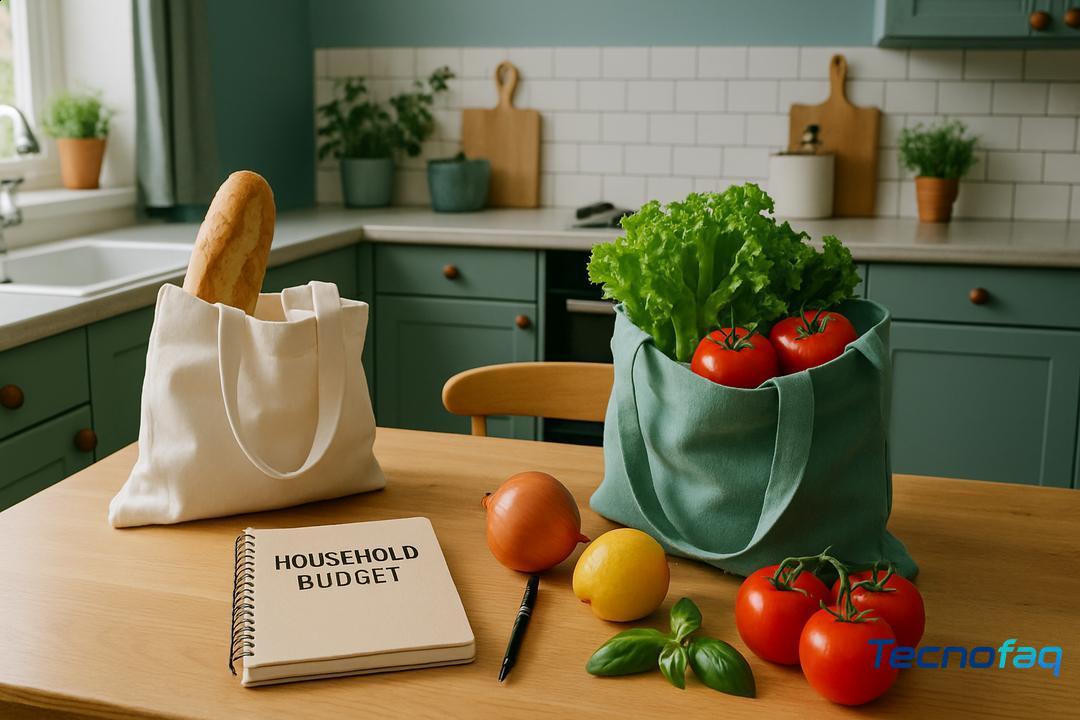
Ever wonder where all your money goes each month? You try to keep track, but the costs of daily life just keep creeping up. Maybe you’ve stared at your bank balance and asked yourself, “Why does it never seem to stretch far enough?”
For many UK households, finding ways to save without feeling like you’re missing out has become a growing concern. Research shows that rising living expenses are squeezing budgets tighter than ever. That’s why so many people are searching for frugal living tips that can truly make a difference.
The trouble is, lots of advice out there just repeats the basics: “Skip a coffee, stop eating out.” But most quick fixes miss the bigger picture. You need real habits you can stick to, not just a list of one-off sacrifices.
This article gives you a practical, non-judgmental guide to stretching your budget in ways that actually work. You’ll find smart tips for everyday savings, grocery strategies, lowering bills, and ideas for enjoying life without overspending. Ready to take control and keep more in your pocket?
Practical ways to cut daily expenses
Most people can cut their daily spending by checking where the money is going, then making a few small changes. It doesn’t have to be extreme. Even quick fixes help more than you might think.
Tracking spending and finding quick wins
The first step is to track all of your income and outgoings. Write down what you spend on bills, food, travel, memberships and extras. You can use a notebook or a simple app to help.
Experts suggest reviewing the past three months of bank or card statements. Look for small charges that repeat every month, these add up faster than most realise. Some people like the 50/30/20 rule: put 50% of your income toward needs, 30% for wants, and 20% for savings or debts. The specific numbers aren’t as important as staying organised and spotting waste.
Quick wins include switching supermarket brands, dropping impulse buys, or setting a basic weekly spending goal. Cancel unused services or switch to budget options where you can.
Cutting subscription and membership costs
Go through every subscription or membership you pay for, streaming, apps, clubs, even unused online accounts. Cancel anything you barely use. If a service is nice but not a must-have, consider sharing with a family member or switching to free alternatives.
Review what you actually use, not just what you meant to use. Even small fees each month can take away a lot from your yearly budget.
Using public transport, walking, or cycling
One major way to cut transport costs is to drive less if you can. Using public transport, walking, or cycling, even a few days a week, really adds up for city journeys. In a survey, about a quarter of people tried shared or public transport to save on petrol and parking.
Combine errands into fewer trips and choose walking or cycling when possible. The less you rely on a car for short journeys, the more you can save on fuel and upkeep. Even swapping the bus for short walks just twice a week leaves more money in your pocket.
Smart grocery shopping strategies
Groceries eat up a big part of most family budgets. But a few small changes in how you shop can lead to serious savings. Here are proven ways to get more for your money every week.
Bulk buying and meal planning
The best way to save on bulk buying is to stick with foods that last a long time or can be frozen, like rice, pasta, beans, and frozen veg. Only buy perishables in bulk if you know you’ll use or freeze them before they spoil.
Before shopping, look in your cupboards and plan meals using what you already have. Try making a simple meal plan for four or five dinners each week, reusing ingredients to avoid waste. Experts say to check the price per unit, bulk only pays off if it is at least 20% cheaper than the regular size.
One easy tip: make extra dinner on nights you cook, so tomorrow’s lunch is already sorted.
Shopping store brands and yellow sticker bargains
Choosing store brands for staples is one of the simplest ways to save. Most of the time, these are just as good as name brands, especially for things like tinned goods or cereals.
Yellow sticker deals, items marked down close to their expiry, can offer big discounts. Only buy them if you’ll eat or freeze them soon. Plan what you want to cook and use these deals for extras or special treats, not the whole shop.
Try swapping just one or two items for store brands and track the savings over a month.
Making packed lunches and reducing food waste
Packing your own lunch from home stops you spending on pricey takeaway sandwiches or snacks. Use up leftovers from dinner or cook simple bulk meals to portion out for the week.
Food waste drops when you check your fridge and cupboards before shopping. Portion fresh food into smaller packs so nothing goes off hiding at the back of the fridge. Freezing foods close to their use-by date also cuts waste.
Each week, set one night for a “clean-out” meal that uses up odds and ends. You’ll be surprised how much you save over time.
How to reduce energy bills
Energy bills can feel overwhelming, but it’s often small changes that make the biggest difference. By tackling a few things at home, you can cut running costs almost straight away.
Switching off unused devices and appliances
Turning devices off at the plug, not just leaving them on standby, is one of the easiest ways to save. UK sources say this can save the typical home £45 to £70 a year. Common energy wasters include TVs, set-top boxes, game consoles, chargers, and microwaves.
It helps to group appliances using power strips, so you can turn them all off at once. If a device is fully charged or not in use, unplugging it will stop it drawing power altogether.
Insulating your home on a budget
Draft-proofing and topping up loft insulation are some of the quickest and cheapest ways to keep heat in. Pipe insulation and sealing gaps around doors and windows are simple DIY jobs that cost less than bigger projects.
You don’t need to spend a lot all at once. Work through one area at a time. Small steps make a real difference, especially in older homes.
Finding support and discounts for low-income households
If you are on a low income, help may be available. Ask your energy provider about reduced-rate plans or social tariffs. These can lower your bills or offer extra protection if you’re struggling to pay.
Some households qualify for energy assistance, rebates, or emergency grants. Always check with your supplier or local council to see what support is open to you.
Low-cost entertainment ideas
Entertainment doesn’t have to blow your budget. There are plenty of great ways to have fun and stay social without spending much, or even anything at all.
Free local activities and events
Many local councils and communities organise free events, especially over the summer or on school holidays. These can include markets, festivals, free museum open days, local fun runs, and more.
Parks and green spaces offer the chance for a free day out with friends or family. Look for noticeboards or social media groups to find out what’s happening near you. Free activities are usually open to everyone and can become staples in your weekly plans.
Creative nights in: games, films, or DIY crafts
A fun night at home doesn’t mean you have to spend. Board games, card tournaments, or film marathons using streaming services make a change from the usual routine.
DIY craft nights are very popular, use items from around the house for art projects or upcycling. You can swap games or DVDs with friends to add variety. Try a potluck dinner, where everyone brings a dish to share, for extra fun on the cheap.
Making the most of libraries and community spaces
Local libraries are about much more than books. Most offer free internet, children’s story sessions, job clubs, and film afternoons. Community centres might run fitness classes, craft workshops, or support groups for little or no cost.
Sign up for your local library or community centre and check their noticeboards. There’s often more on offer than you expect, and it’s a smart way to meet people without having to spend money.
What real frugal living looks like day-to-day (and how you can make it work)
Real frugal living means finding small ways to save money every single day. It’s not about going without or cutting out all the fun, it’s about making smart choices, planning ahead, and focusing on what matters most to you.
People practising frugal living stick to simple habits like meal planning, cooking in batches, shopping with a list, and favouring store brand products. Many compare prices carefully, use cashback or vouchers when possible, and put off impulse buys using a waiting list or a ‘sleep on it’ rule. Instead of spending freely, they find joy in using what they already have, like cooking with leftovers or enjoying free entertainment options.
Practical examples include running the washing machine only when it’s full, lowering the water heater, and choosing to walk or cycle short journeys. Some go meat-free a couple of days a week or set aside regular time to check pantry stock and plan meals around what needs using up. Many sell, trade, or donate things they no longer need, cutting clutter and making extra cash.
Experts say real frugality is about building a system, not punishing yourself. These small, repeatable choices add up over time. The reward? Less financial stress and more money for your real priorities, whether that’s saving for goals, family, or a little treat now and then.
Start by asking whether a purchase is truly needed and fits your goals. Build in small treats or a no-guilt spending amount to avoid burnout, and automate savings where you can.
A practical budget should cover your essentials first, then allocate every pound to a purpose—savings included. Set clear spending limits, review them regularly, and keep purchases linked to your priorities.
Meal planning, sticking to a list, and buying store brands or discounted items are key. Stocking up on low-cost staples and reducing food waste can also lower costs while ensuring you eat well.
Frugal habits include cutting unused subscriptions, walking or sharing rides instead of driving, and choosing free or local entertainment. Regularly review recurring costs and remove anything that doesn’t add clear value.