
How to reduce grocery costs with smart shopping habits and meal planning
Reduce grocery costs with simple meal planning and smart shopping tips. Learn actionable ways to save money on food every week.
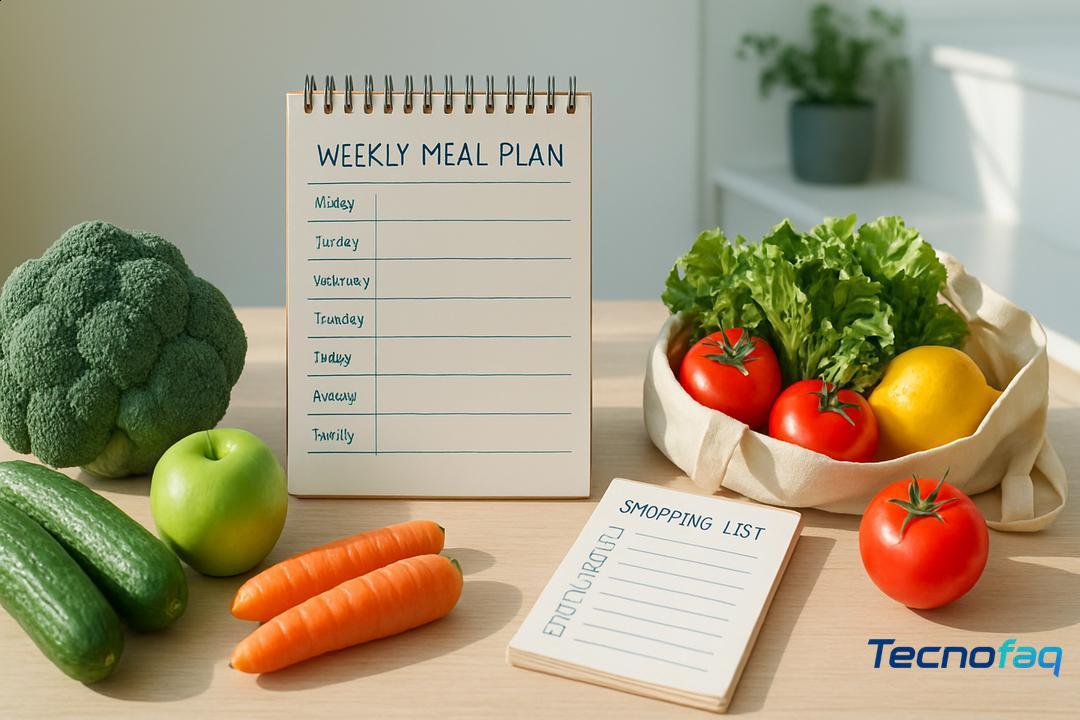
Ever wondered why your grocery bill seems to creep up, even when you swear you’re being careful? You’re not alone. Grocery shopping can feel like a never-ending puzzle, especially when you’re trying to make your money go further in every aisle.
With food prices rising and budgets under pressure, finding ways to reduce grocery costs is a growing concern among UK households. Headlines often mention the “cost of living crisis,” but the real squeeze happens week by week at the supermarket. Many shoppers are looking for practical ways to keep their food shop affordable without compromising on nutrition or quality.
Some guides suggest skipping meals, buying only the cheapest items, or switching shops entirely, but these quick fixes rarely work in the long run. They can leave you burnt out or frustrated, especially if you want to eat well and still save money on food.
This article takes a different approach. We’ll look at proven strategies like meal planning, making the most of loyalty schemes, and shopping smarter, not harder. Whether you’re a seasoned bargain hunter or just starting to budget, you’ll find low-pressure, achievable steps that really help stretch your food budget further.
Making a weekly meal plan
Making a weekly meal plan is a simple but powerful way to cut down on how much you spend on food. By deciding in advance what you and your family will eat, it gets easier to stick to a budget, eat balanced meals, and waste less food.
How to set a weekly food budget
Start by working out how much you can realistically spend on groceries for the week. Check your bank statements or last month’s receipts to get an idea of what you usually spend. Many people find that planning a clear weekly budget helps avoid last-minute takeaways or expensive impulse buys. Research suggests that households who plan their meals ahead may reduce food bills by up to 15–20%.
If you’re new to this, try a simple envelope system: once the week’s cash runs out, you hold off on extra shopping. Over time, review what works and adjust your target if needed.
Choosing recipes that use similar ingredients
Picking recipes that share the same ingredients saves both money and time. For example, if you buy a pack of peppers for one meal, choose another recipe later in the week that uses them up. This helps cut down on waste and makes shopping cheaper.
Looking for versatile basics like rice, pasta, and tinned tomatoes can really help. Many experts advise building your week around a handful of key ingredients to stretch your food budget further. If you’re stuck, make a list of five meals that use chicken or beans in different ways.
Using leftovers to reduce waste
Leftovers are one of the easiest ways to save. Plan at least one meal a week called “leftovers night” where you use up what’s left in the fridge. This stops food from ending up in the bin and can lead to some surprisingly tasty combinations.
You can also store leftover portions in the freezer for a quick lunch or dinner on busy days. One practical tip: at the start of the week, set aside a shelf or box in the fridge just for meals that need eating up so nothing gets forgotten.
Shopping with a detailed grocery list
Shopping with a detailed grocery list is one of the easiest ways to manage what you spend and make sure nothing gets left behind. When you have a clear plan, shopping trips are quicker, less stressful, and your kitchen stays stocked with what you actually need.
Checking what you already have at home
Before writing your list, check your cupboards, fridge, and freezer first. This helps avoid buying things you’ve already got and stops food waste. Some people keep a running list during the week and add items as they use them up. Building your list around what’s missing from your meal plan is a great way to cut down on duplicates.
For example, if you spot two packs of pasta at the back, you know you can skip that this week. A quick shelf scan only takes a few minutes and pays off in savings.
Sticking to the list in-store
Once you’re in the shop, focus on buying only what’s on your list. Try not to get sidetracked by deals or things that catch your eye. It’s easy to overspend on treats or extras you don’t need.
Many people find it helps to organise their grocery list by store section, like dairy, tinned food, fruit, and veg, so shopping goes faster. If you often end up with impulse buys in your basket, try to set yourself a mini-challenge: get in, tick things off, get out.
Apps and digital tools to make lists easier
Apps can help make shopping simpler and save time. Tools like Listonic and Jotform let you create, update, and share your list on your phone. Some apps even track prices, suggest recipes, or let you talk to your phone to add items hands-free.
Family members can tick off things when they use the last of something at home, so nothing gets missed. If you’ve ever found yourself wandering the aisles, phone apps can give your shop a real sense of purpose.
Choosing store brands and discounts
Choosing store brands and looking out for discounts can make a real difference to your grocery budget. Many people find the quality is just as good, but the prices are often much lower. Understanding a few simple tricks also means you can avoid falling for flashy deals that aren’t really bargains.
Unit price comparisons and reading labels
The unit price tells you what something costs per kilo or per 100g. You can usually find this on the shelf label in supermarkets. Comparing unit prices is the easiest way to see which pack gives you more for your money, even if the pack sizes are different.
Store brands can save you up to 30% compared to well-known brands. Some products, like tinned beans or pasta, are even made in the same factories. Always check the label for ingredient and nutrition differences. Try buying one or two own-brand items each week to see if you like them.
Timing your shop around discounts and offers
You can often grab great bargains if you shop at the right time. Supermarkets usually mark down chilled and bakery goods close to closing time with a yellow sticker. Many shoppers plan their weekly visit for these quieter times.
If you spot a good offer on something you know you’ll use, go for it. But only if it fits your budget and storage space. Watch out for “buy one get one free” deals on foods you can’t finish before they go off, as these can lead to waste.
Bulk buying: when it makes sense and when it doesn’t
Bulk buying can save money if you’re sure you’ll use it all before the use-by date. Staple foods like rice or loo roll are often worth stocking up on if you have room. But be careful with fresh food, as you might end up throwing some away if you can’t eat it in time.
Remember, bulk offers aren’t always cheaper. Always compare the unit price, and check your cupboard before buying big packs just in case you already have enough at home.
Avoiding common spending traps
Shops are full of tempting tricks that can make you spend more than you planned. But knowing what to look out for can help you keep control of your food budget and come home with just what you need.
Recognizing impulse buy triggers
Impulse buys are unplanned things we add to our basket, often because they catch our eye at the till or on special displays. In the UK, research shows these snap buys can add up to 20% of your shopping cost. Colourful packaging, last-minute offers, or free samples are common triggers.
One simple tip is to always have your list handy and stick to it. If you think you might be tempted, avoid the aisles that have sweets or snacks unless you actually need something from there.
Shopping on a full vs. empty stomach
Shopping when you’re hungry can lead you to buy more food, and often pricier snacks or treats. Some studies found hungry shoppers spend up to 64% more than those who’ve just eaten.
If possible, shop after a meal or healthy snack. This makes it easier to walk past the rows of cakes and crisps without adding them to your trolley.
Navigating in-store promotions wisely
Not all promotions are true bargains. Deals like “buy one, get one free” or multi-buy offers sometimes make you buy more than you need or can use up before it goes off.
Before picking up a deal, quickly check if it’s on your list or if you’ll use it before the expiry date. If not, it might be better to stick with your plan and save the money for next time. Keeping these habits can cut down your overall spending every shop.
Making your grocery budget work for you long-term
Making your grocery budget work for you long-term means sticking to habits that help you spend within your means, even when things change. It takes regular checks, a bit of patience, and being kind to yourself if you slip up now and then. The most important part is making small changes you can keep up, not big overnight fixes.
Many shoppers find it helps to review their spending monthly. If your food bills go up or down, tweak the budget as needed. Tracking what you spend, whether with a notebook or a free phone app, can show you where your money goes and which weeks are the most expensive. Over time, you’ll spot patterns and find extras you can cut if you want to.
Experts suggest making your routine as flexible as possible. That might mean allowing a small “treat” fund for special days or using seasonal swaps when prices jump. If you have an off month and go over, try not to stress about it. Refocus for the next week instead of giving up.
Most of all, remember that building a habit takes time. The longer you stick with your budget, even in a rough patch, the more confident you’ll feel at the checkout each time.
Key Takeaways
This article highlights straightforward ways to cut grocery costs while keeping meals nutritious and enjoyable.
- Weekly meal planning: Planning meals ahead can reduce food bills by up to 15–20% and limit waste.
- Stick to a list: Shopping with a detailed list helps avoid forgotten items and impulse buys.
- Check what you have: Reviewing cupboards and freezers before shopping prevents buying unnecessary duplicates.
- Store brands and discounts: Choosing own-label products and comparing unit prices often saves up to 30% without sacrificing quality.
- Shop smart timing: Visiting shops near closing time can bring significant savings through marked-down fresh foods.
- Bulk buying wisely: Buying in bulk only makes sense for items you will use up before they expire.
- Avoid spending traps: Shopping after eating and ignoring tempting special offers reduces overspending.
- Sustainable budgeting: Regularly reviewing and adjusting your food budget leads to long-term savings and less stress.
Building smart shopping habits and flexible routines is the most reliable way to manage grocery costs over time.
Plan your meals, stick to a detailed shopping list, and use store brands and seasonal produce. Staples like beans, oats, and potatoes offer great nutrition at low cost.
Begin by checking what you already have at home, then plan simple meals around those items. Make a detailed list and focus on recipes with overlapping ingredients.
Shop with a list, avoid extra supermarket visits, and don’t browse aimlessly. Studies show planning ahead and eating before shopping make it easier to resist temptations.
Store brands often offer similar quality to famous brands, especially for staples like pasta, rice, and tinned vegetables. Many consumers notice little difference but save significant money by switching.