
How to use the 50 30 20 rule to manage your money effectively
The 50 30 20 rule helps you manage money by dividing income for needs, wants, and savings. Discover how this approach fits UK budgets.
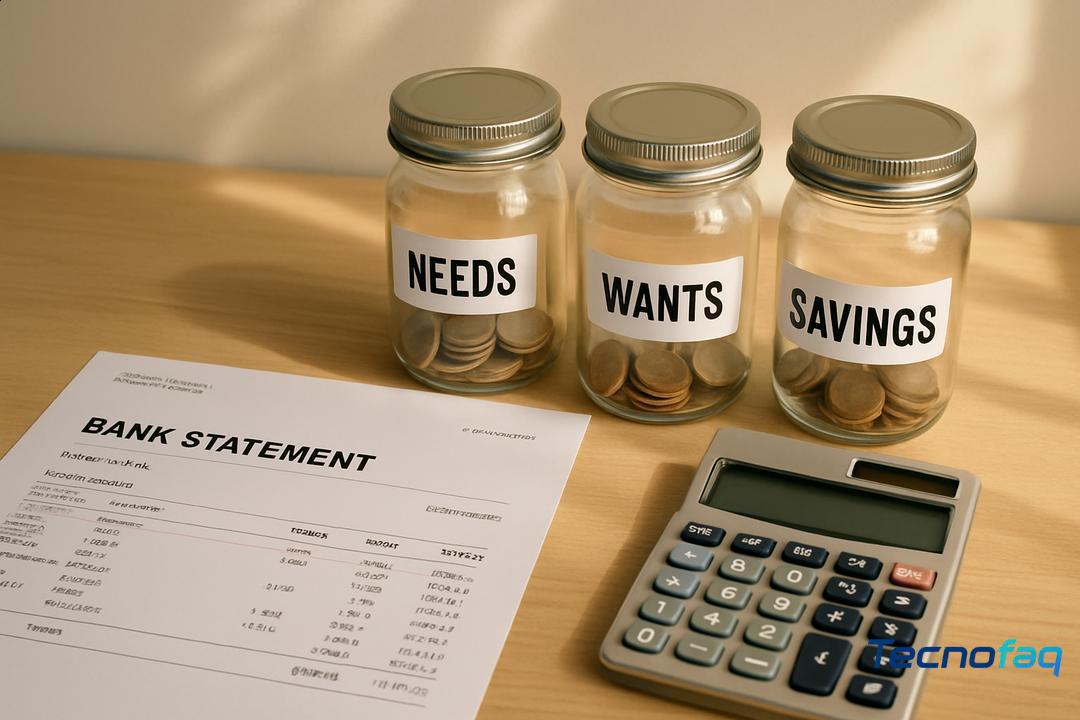
Ever feel like your pay disappears the same day it lands in your account? Finding a way to balance bills, savings, and the occasional treat can be a real struggle, especially when unexpected costs pop up and you want to feel in control.
That’s where the 50 30 20 rule comes in. This simple approach to managing money is gaining fans in the UK and beyond. It breaks budgeting into three parts: essentials, nice-to-haves, and savings goals. Many people on tight budgets are looking for a way to make their pay go further without tracking every penny.
The trouble is, lots of budgeting tips out there are either too complicated or just don’t fit real people’s lives. Quick fixes might help for a month but rarely stick, especially when needs and wants mingle or your income changes from month to month.
In this guide, you’ll get a straightforward breakdown of the 50 30 20 rule, see how to adjust it for your own situation, and pick up practical ideas for making it work, even if your money’s tight or your costs keep changing. Let’s get started.
What is the 50 30 20 rule and how does it work
The 50 30 20 rule is a popular way to organise your money. It’s designed to make budgeting less stressful and more flexible for everyday life.
Breaking down the 50 30 20 rule
This rule means you split your income into three simple parts: 50% for needs, 30% for wants, and 20% for savings or paying off debt. Needs are things you can’t go without, like rent, groceries, and utility bills. Wants are the extras, such as eating out or subscriptions. The final 20% is saved for the future or used to reduce any debts.
Many people find this method easier because it avoids tracking every single purchase. For example, if you earn £2,000 after tax, £1,000 goes on needs, £600 on wants, and £400 towards savings or debt. A good tip is to write out your regular expenses to see how your spending lines up with each group.
Why after-tax income matters
The rule uses your after-tax income so you only budget what actually hits your bank account. That way, you avoid overestimating how much you can spend. If you budget using your gross (before-tax) pay, you may fall short and struggle to cover everything.
For example, someone earning £2,500 before tax might only take home about £2,000 after tax and national insurance. It’s really helpful to check your payslip or bank statement to know what’s really available. Try using a calculator to help work out your actual monthly amount.
Needs versus wants: making smart distinctions
A common stumbling block is sorting what counts as a need and what counts as a want. Needs are essentials for your well-being, like your rent, basic food, heating, and minimum debt payments. Wants include things like meals out, takeaways, or new clothes you don’t really need.
Experts say it’s normal if the line isn’t always clear, sometimes a mobile contract or a basic car is needed for work. To help, make two lists before your next payday: one for true must-pay bills, another for nice-to-haves. This helps track your spending and spot where you can make adjustments if money is tight.
How to divide your income using the 50 30 20 rule
Dividing your income with the 50 30 20 rule is less about maths and more about being practical. The idea is to plan where your money goes before it’s spent.
Calculating your monthly income
Always use your after-tax pay, not your total salary. This is the amount that shows up in your bank account each month. If your pay changes, try using an average of recent months.
For example, if you get £1,600 a month after tax, you’d plan for £800 on needs, £480 for wants, and £320 for savings or debt. Write down what comes in each month so you have a clear starting point.
Sorting expenses into each category
Needs include housing, food, energy bills, transport and anything you truly can’t do without. Wants are things like streaming services, meals out, day trips or new clothes that aren’t essential.
Savings and debt covers things like setting money aside for emergencies, pension contributions, or making payments on loans and credit cards. Try making a list and sorting each monthly bill or expense into one of these three groups before payday.
How to prioritise your savings and debt payments
The 20% is best put towards your most important goals first. That means building up a small emergency savings pot before tackling debts with high interest rates.
Many people pay only the minimum on debts. But if you put any extra here, you pay less interest in the long run. Remember, this rule is a guide, it’s okay to make small changes if needed for your situation.
Common budgeting mistakes to avoid
It’s easy to make mistakes when starting with the 50 30 20 rule. Avoiding the most common ones can save you a lot of headaches later.
Mixing up needs and wants
The biggest mistake people make is calling something a need when it’s really a want. Needs are true essentials, things you must have to live and work, like your rent, food, or heating.
Many find it tricky to decide if something like broadband or a car is a need or a want. If you could manage without it or get a cheaper version, it’s likely a want. Try being strict with yourself just for one month and see where your money actually goes.
Forgetting irregular expenses
Another common issue is forgetting about expenses that don’t come up each month. Things like annual insurance, birthdays, or Christmas can knock your budget off track if you don’t plan ahead.
Experts often suggest adding up your yearly costs, then dividing by 12, so you’re setting aside a bit each month. It means you’ll be ready for unexpected bills rather than reaching for credit.
Not adjusting the split for your situation
Sometimes the classic 50 30 20 split doesn’t work for every household. Maybe your rent is high or you have childcare costs. It’s okay to change the percentages if needed.
If more is going on needs, you can adjust wants or savings for now. The goal is to build a budget that works for you, not to stick rigidly to someone else’s numbers. Review your plan every few months as life changes to keep it on track.
Tips for sticking to the 50 30 20 rule
Building a new habit with your money can take time. The 50 30 20 rule gets easier to follow if you put a few simple steps in place from the start.
Automating your savings where possible
The easiest way to save is to set up an automatic transfer just after payday. This means part of your money moves to a savings account without you needing to do anything.
Banks and savings apps in the UK let you do this quickly. Research has shown that people who automate their savings are much more likely to stick with it long term. For example, you could set up an automatic £50 transfer every month for your emergency fund.
Tracking your spending regularly
Keeping an eye on your spending helps spot problems before they get too big. Try checking your transactions each week or use a simple spending diary.
Many people now use banking apps to flag when they’ve gone over a budget. You could also write down all your expenses for just one month to see where the money really goes and find easy wins for next time.
Making gradual adjustments, not drastic cuts
Being strict all at once rarely works. Small changes – like skipping one takeaway a month or rounding down your weekly food budget – add up over time.
Experts recommend making changes bit by bit. That way, it feels less overwhelming and you’re more likely to stick to your plan even when life gets busy or your income shifts.
Making the 50 30 20 rule work for real life budgets
The 50 30 20 rule is a helpful starting point, but it doesn’t always fit perfectly with everyone’s budget. Real life is messy. Rent, bills, family size, income changes and the cost of living can all mean you need to adjust the percentages a bit.
Many people find that a 50 30 20 split isn’t possible every month, and that’s okay. Some UK households swap to a 60/20/20 or even 70/20/10 split when rent or childcare costs eat up more of their pay. The goal is to get a clear view of where your money goes and make small changes so you can save a bit, not follow the rule to the letter.
It helps to review your budget every few months, especially if you have unpredictable expenses or life changes like a new baby or job. For example, a family in Birmingham might decide that most of their spending has to go on needs until wages rise or debt is paid off, but they still set aside even £10 a month towards savings or a fun treat.
Customise your categories to fit your life, not someone else’s. What matters is paying your bills, lowering your stress, and making steady progress towards your goals, even if that means creating your own version of the rule.
Key Takeaways
This guide explains how the 50 30 20 rule can make budgeting simple and practical for most people.
- The 50 30 20 rule splits after-tax income into 50% for needs, 30% for wants, and 20% for savings or debt repayment.
- Start by using your real take-home pay, not your gross salary, to plan your budget accurately.
- Be honest about what counts as a need or a want—essentials include housing and food, while non-essentials are extras like eating out.
- Remember to set money aside each month for irregular expenses, such as annual insurance or holiday gifts, so your budget isn’t derailed.
- Automating savings helps you stay consistent, and using apps or diaries can make tracking spending much easier.
- Making gradual changes, rather than big cuts, leads to better long-term results and reduces stress.
- It’s normal to adjust the rule’s percentages if your costs or income shift—the aim is a system that works for you.
- Regularly reviewing your budget helps manage unpredictable expenses and life changes, keeping you on track.
The main message: make the 50 30 20 rule your own by staying flexible and focused on your personal priorities and goals.
It's a budgeting method where you divide your after-tax income into 50% for needs, 30% for wants, and 20% for savings or debt repayment.
Start with your monthly after-tax pay and separate it into three buckets: needs, wants, and savings or debt repayment. Adjust the percentages if your situation requires.
Yes, commonly the 20% category covers both savings and debt repayment. Prioritise emergency savings and high-interest debts if possible.
Not always. It's a guideline, so you may need to change the split if your costs, income, or goals are different from the rule's default.