
How to track monthly expenses effectively and improve your finances
Track monthly expenses with confidence. Learn practical, easy ways to monitor spending, choose the right method, and boost your financial wellbeing.
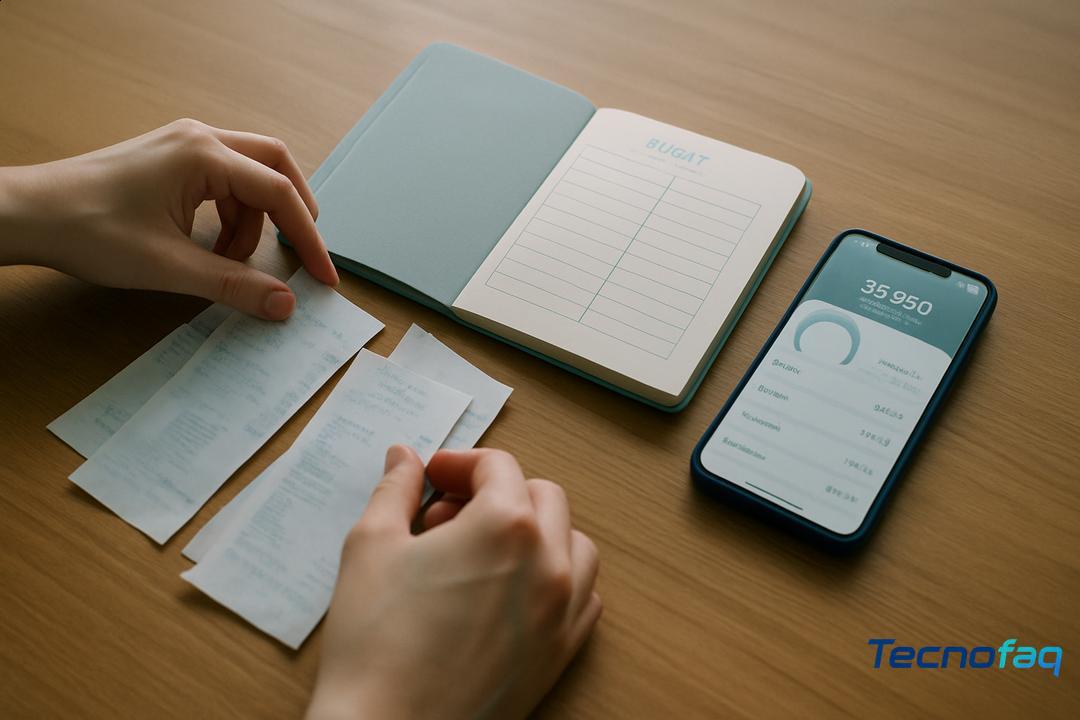
Ever feel like your money just slips through your fingers no matter how careful you try to be? Maybe you reach the end of the month and wonder, “Where did it all go?” If so, you’re not alone. Tracking monthly expenses can feel confusing or even pointless at first glance, but it often makes all the difference.
For many UK households, managing daily costs and sticking to a budget is a growing concern. Studies have shown that financial stress is one of the leading sources of worry, with unexpected outgoings catching people off guard regularly. That’s where understanding how to track monthly expenses can help put you back in the driving seat with your finances.
Lots of guides promise quick tips or one-size-fits-all tricks to fix your budget instantly. But without a way to see the full picture, these approaches rarely lead to long-term change. Skipping over things like irregular costs, forgotten subscriptions, or shared bills leaves many people feeling stuck or frustrated.
This article gives you a practical, step-by-step approach to tracking monthly expenses–not just a checklist, but a guide designed for real life. You’ll find out how to pick the right method, set a realistic budget, avoid common traps, and make changes that actually stick. Ready to feel in control of your money? Let’s get started.
Benefits of tracking monthly expenses
Tracking your monthly expenses can make a big difference to your money life. Here’s how it helps and why it can be easier than you think.
How expense tracking boosts awareness
Tracking expenses shines a light on where your money really goes. It helps you spot patterns you might never notice otherwise.
For example, research shows that people who write down or record their spending each week often catch forgotten charges or subscriptions. Even just a quick check every few days can help you see small spends that add up over time.
A simple way to start is by saving your receipts or using an expense app to check your spending for the past week. This can help create a clear picture of your habits right away.
Reducing money stress and surprises
Knowing exactly what you spend can cut a lot of stress around money. You are less likely to be caught off guard by sudden bills or see your account fall lower than expected.
Many experts agree that regular expense checks – even once a month – can make you feel more confident with your money. You can avoid nasty surprises, because you have a better idea of what’s coming up.
Try adding a five-minute review each week where you look over recent purchases. This small habit helps keep things steady and calm.
Link to reaching financial goals
Expense tracking makes reaching savings or debt goals much easier. By seeing where your money goes, you can spot places to save or shift your spending.
Several studies point out that people who track their money are more likely to reach their goals, like saving for holidays or paying off debt. When you know your spending habits, even small changes can add up over the months.
One helpful tip is to link your expense tracker to your goals, like setting a target for one area, for example reducing takeaways for a month, then celebrating your progress at the end.
Choosing the right expense tracking method
There are lots of ways to track your expenses, but one method is not best for everyone. The key is finding something you will stick with.
Pros and cons of paper vs digital tracking
Paper tracking is simple, private, and doesn’t need any technology. Writing by hand can really make things feel more real and can help you stay aware of your habits.
But paper takes more time and can be tricky to update or fix if you make a mistake. You have to do all the adding up yourself, which can be a pain if you’re busy. Someone who loves notebooks might enjoy this, but it’s not always great for people with lots of transactions.
Digital tracking is fast and gives you helpful graphs or reminders. Many apps can pull in your bank transactions for you. This makes it easier to see patterns and keep your records updated. However, some people worry about privacy, or just find screens too distracting for their needs. If you want to quickly sort lots of spending, or share a budget with family, digital tools often work best.
How to pick a method that fits your lifestyle
Start by thinking about what you’ll actually use. If you prefer to write things out, a simple notebook or paper planner may suit you best. If you’re always on your phone or computer, an app or spreadsheet can save time and help you spot trends.
If you split bills with others, or tend to make lots of little purchases, digital tracking eases the stress of keeping tabs. But remember, no tool is useful if you never open it again. Consistency is more important than picking the fanciest option.
Try each style for a week and see which one feels easier to come back to. You might mix paper for quick notes with an app for monthly summaries.
Overview of popular expense apps and tools
Most digital trackers include budgeting apps, simple spreadsheets, or platforms that help you set reminders and goals. Apps can automatically pull in payments from your bank or send you alerts if you’re spending more than usual. They are good for checking on the go and for people who like having everything in one place.
Spreadsheets give you more freedom to track your money your own way, but you will have to set up the categories and sums yourself. For paper fans, a notebook or printed budget planner keeps things low-cost and low-tech, with no worries about passwords or devices. Try a free version before paying for extras to see if it fits your needs.
Setting up a monthly budget
Setting up a monthly budget is about planning where your money will go. This helps you avoid nasty surprises and feel more in control.
Start with your regular income
The first step is to find your real monthly income. This is usually your take-home pay after tax and national insurance, plus any benefits or side income.
Most experts recommend adding up income from all sources, not just your main job. If your money comes in weekly, multiply by 52 and divide by 12 to get a monthly figure. Check your latest payslip or bank statement to avoid guessing.
Try listing each type of income, such as salary, Universal Credit, or part-time work, to get a clear total.
Listing fixed and variable expenses
Now make a list of everything you spend money on in a typical month. Start with fixed expenses like rent, council tax, energy bills, and minimum loan payments. These usually stay the same each month.
Next, add variable costs like groceries, petrol, eating out, and little treats. Most sources suggest checking three months of bank statements or receipts to find your true averages. Don’t forget yearly costs, spread them across each month so you’re ready for big bills.
A handy tip is to use a bill checklist or a spending diary over a few weeks to build your list.
Allocating money into spending categories
Divide your income between needs, wants, and savings or debt payments. Many UK guides suggest the 50/30/20 rule: 50% for needs, 30% for wants, and 20% for savings or debt.
Essentials include rent, food, and transport. Non-essentials are things like takeaways, entertainment, and subscriptions. Use real numbers from your life, and update your plan as things change. StepChange and others recommend reviewing your budget every month to see what works or needs tweaking.
Set up automatic transfers or move cash into envelopes for different categories to help stick to your plan.
Monitoring and categorising your spending
Once you’ve set your budget, keeping an eye on your spending helps you make the adjustments that matter. Regular check-ins and categories that fit your life can make budgeting feel much easier.
Tips to make regular check-ins easy
The best way to stay on top of your money is with quick, regular reviews. Many experts recommend checking your accounts weekly or at least twice a month.
This habit helps you spot issues before they build up. Try setting a reminder on your phone, or pick a time each week, like Sunday evenings, to look over the past week’s spending. Some people use a highlighter for bills or a note to mark odd spending.
How to choose categories that work
Pick categories that match your real life, not someone else’s plan. Keep them broad at first, such as housing, food, transport, and extras.
Most UK guides suggest less detail to start, with only four to eight main categories. Too many can make tracking a chore and easy to stop. If you notice a category is always over or under, you can split it up later.
For example, someone might track “groceries” separately if they shop more than once a week, but lump “eating out” and “takeaways” together to keep things simple.
Spotting patterns and wasteful habits
Looking at your categories over a few weeks can reveal surprising spending habits. You might notice you’re paying for an old subscription you don’t use, or making lots of small payments that add up.
Research shows that people who review their spending regularly are more likely to catch and cut wasteful habits. One person found they could save £20 a month just by cancelling one app they’d forgotten about.
Set aside time each month to look for patterns. Highlight anything that feels off and consider a small change for next time.
Adjusting habits for better savings
Saving more money can feel tough, but you don’t have to turn your life upside down. Making a few small changes, based on what you learn from tracking, can help your savings grow steadily over time.
Making realistic changes instead of drastic cuts
The best savings habits start with realistic tweaks, not big sacrifices. Most experts say change one thing at a time, like taking your own lunch to work once a week, or cancelling a service you rarely use.
People are much more likely to stick with small adjustments over months or years. For example, rounding up each purchase to the nearest pound and putting the difference into savings really adds up, but doesn’t feel hard to manage.
Low-pressure ways to boost savings from tracked data
Use what you learn from your spending to spot easy wins. Set a small weekly savings target instead of trying to stash away a huge sum all at once.
Apps or bank features can help you save spare change by moving a little bit into savings each day. You might decide to buy one less takeaway per month, or put every £2 coin you get aside in a jar, whatever feels easy.
Celebrating small wins and progress
Marking your successes keeps you motivated. Even a tiny drop in your spending, or a month where you meet your savings goal, deserves a little recognition.
Research shows that people who find ways to celebrate, like tracking with a colourful chart or giving themselves a small treat, are much more likely to keep going. Try writing down your savings wins somewhere you can see, so you remember how far you’ve come.
Putting it all together for a healthier budget and stress-free money life
When you put all these steps together, tracking what you spend, setting a simple budget, checking in on your habits, and making small changes, you start to see real results. This approach works for many people, even if they have struggled with money worries before. You don’t have to be perfect for your finances to get healthier or for your stress to go down.
Research and UK budgeting guides agree that steady habits build confidence. People who review their budget at least once a month and act on what they find report feeling more in control of their money and less anxious. Things like setting up automatic payments, reviewing bills with your housemates or partner, and putting a bit into savings as you go can make day-to-day money life feel much easier.
It’s normal to slip up now and then or go off track. What matters most is getting back to your routine, learning what works for you, and not giving up if things don’t go perfectly. Every time you spot a pattern, fix a leak, or celebrate saving a little extra, you’re building stronger habits. In the end, it’s about making steady progress toward a life with less financial stress and more room to breathe.
Key Takeaways
Here are the most important actions and insights for tracking monthly expenses and improving your finances:
- Tracking brings awareness: Recording spending helps you understand where your money really goes and identify unexpected leaks.
- Pick a method you will use: Whether you prefer paper or a digital app, the best system is the one you stick with consistently.
- Start with clear categories: Use broad groups like housing, bills, food, transport, and extras to make tracking easy and not overwhelming.
- Check-in regularly: Weekly or bi-weekly reviews help you spot problems early, while monthly check-ins let you adjust your budget as life changes.
- Focus on realistic changes: Saving more works best when you make small, manageable tweaks rather than drastic cuts you cannot keep up.
- Use evidence, not guesswork: Collect bank statements and receipts for at least three months for the most accurate view of your finances.
- Build positive habits: Celebrate every bit of progress—like cancelling a forgotten subscription or meeting a savings goal—since this keeps you motivated.
- Progress beats perfection: Even if you go off track, getting back to regular habits will improve your financial health and reduce money stress over time.
The key message is that steady, simple steps to track and adjust your spending can make your budget more effective and your financial life much less stressful.
Start by recording every purchase using an app, spreadsheet, or notebook. Use bank statements and receipts for accuracy. Regular check-ins improve results.
Most people group spending into broad categories like housing, utilities, groceries, transport, and leisure. Adjust your categories to fit your personal spending habits.
A weekly or bi-weekly check-in works well for most people. Monthly reviews are important for spotting patterns and adjusting your budget if needed.
Try small changes like cancelling unused subscriptions or cooking at home once more each week. Consistent, realistic tweaks to habits are more sustainable than big cuts.