
How to manage credit card debt effectively and improve your finances
Manage credit card debt with proven tips, budgeting, and smart repayment strategies. Learn how to take control and reduce financial stress today.
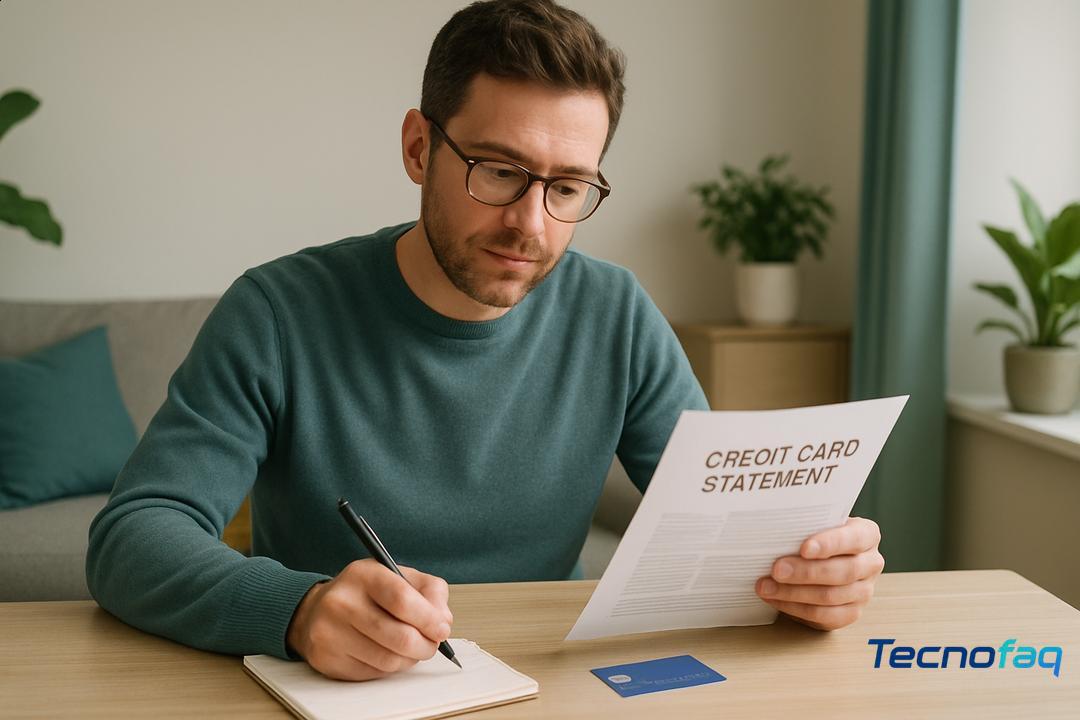
Ever felt like your credit card debt is a bit like quicksand? No matter how hard you try, you struggle just to stay in one place, let alone get ahead. It’s something many people experience, even when they’re doing their best to keep up with bills and budgets.
Paying off cards can be tough, especially with rising living costs and interest rates in the UK. Recent surveys show that manage credit card debt is a growing worry amongst adults on all kinds of incomes. A lot of households find themselves juggling minimum payments or using one card to pay another, making it harder to get clear of debt.
Most advice online seems to promise a quick fix, cut all spending, make huge payments, or get a magic “consolidation” loan that wipes the slate clean. For most people, though, these ideas aren’t practical or instantly affordable.
This guide takes a different approach. You’ll learn which debts to tackle first, how to use budgeting methods that really work, tips for lowering interest, and more ways to build your financial resilience. Everything here is designed for real day-to-day life, not just theory, so you can start seeing progress, however small, straight away.
Understanding credit card debt
Credit card debt is something many people in the UK face. It is the amount you owe on your card after spending, and understanding how it works can help you avoid extra costs and stress.
What is credit card debt?
Credit card debt means owing money after using your card for purchases, transfers, or cash advances. It builds up whenever you do not pay off the full balance each month.
In the UK, over half of adults have at least one credit card. Many households have balances over £2,000 on a single card. For example, if you use your card to buy £100 of shopping and only pay off £20, the rest is still your debt, and interest is added to it.
It is easy for debt to rise if you keep making only the minimum payments. Keeping track of what you owe helps you stay in control.
How interest and charges work
Interest is the extra amount charged when you do not pay your balance in full. It’s shown as an APR, which stands for annual percentage rate. In the UK, average card APRs are usually above 20%.
Miss a payment and you might get hit with late fees or even see your interest rate increase. Some cards also charge more for cash withdrawals or going over your credit limit. Because interest is added each month, you could end up paying interest on top of interest, which is called compounding.
Tip: Always try to pay more than the minimum and pay on time to avoid extra fees and growing debt.
Credit utilisation and your score
Credit utilisation is the amount of your available credit you are using. Experts suggest using less than 30% of your total credit limit – so that means keeping the balance under £300 if your limit is £1,000.
Using most or all of your available credit is a red flag for lenders. It can pull down your credit score and make it harder to get loans or good rates. Keeping your balance low and paying off as much as you can each month is a simple way to boost your credit health over time.
Assessing your current debt situation
Before you can tackle your debts, it helps to get a clear picture of where you stand. This means checking every debt, understanding what you owe, and knowing if your payments are still manageable.
Listing your balances and rates
Start by listing every debt you have: who you owe it to (the creditor), the current balance, the interest rate or APR, the minimum monthly payment, and the payment due date. Seeing all these details in one place makes it easier to spot which debts are costing you most or growing fastest.
Checking your credit report and recent statements can help catch any debts you might have forgotten about. Some experts recommend updating this list every few months to track whether your debt is shrinking or growing.
Understanding minimum payments
The minimum payment is the smallest amount you must pay each month to avoid late fees. But paying only the minimum can mean staying in debt for a long time, as most of your payment goes towards interest, not the balance.
A common check is your debt-to-income ratio. That means total monthly debt payments divided by your gross monthly income. If this is above 36% or 43%, it could be a sign of trouble with debt.
Spotting warning signs of trouble
There are some clear signs that debt may be becoming a problem. If you struggle to pay rent, energy bills, or even just the minimums on your cards, that’s a warning signal.
Other signs include relying on credit for everyday costs, having debts in collections, or when your debts total more than your yearly take-home pay. Stress from tracking payments or running out of money after covering bills means it’s time to look for help or reassess your budget.
Strategies to pay down balances
Getting started with paying off your balances might feel overwhelming. But there are a few clear ways to tackle credit card debt that work for many people in the UK. Picking a plan that suits your situation makes a real difference.
The avalanche vs. snowball methods
There are two well-known ways to pay off debt, the avalanche and the snowball. With the avalanche, you pay as much as you can towards the card with the highest interest rate, while making minimum payments on the rest. This saves you the most money in the long run.
The snowball method means you focus on your smallest debt first, paying it off quickly for a sense of progress before moving on to bigger debts. This can feel rewarding early on, even though you may pay a bit more in interest overall.
If saving money and cutting interest is your main goal, avalanche is usually best. If you need quick wins to stay motivated, snowball can help you stick with it.
Choosing the right approach for you
The best method is the one you can actually keep up with. Think about what keeps you motivated, saving money over time or seeing debts disappear fast. Write down all your card balances, their interest rates, and minimum payments to get started.
Adjusting your approach as life changes is normal. You might start with one method and switch if your motivation drops. Many people use a mix of both, depending on which debts feel urgent or stressful.
Using windfalls or extra income
Any extra money, like a work bonus, birthday gift, or benefits back payment, can help cut down your debt if you use it wisely. It does not have to be a huge amount; even an extra £20 a month can make a difference over time.
Many UK households find that putting any unexpected income straight towards their highest-interest card helps them see results faster. You could also use side gig earnings to make a special one-off payment each year. Even small boosts can chip away at your balance and lower your stress.
Tips for avoiding future debt
If you want to avoid falling back into debt, a few practical steps can really help. Planning, watching out for impulse buys, and building up a cushion for surprises can make a big difference over time.
Setting a budget that works
A budget is just a plan for how you spend your money each month. People who keep a budget are more likely to feel in control of their money, according to UK research.
Try tracking everything you spend for a few weeks, then group your costs into categories like food, rent, and travel. Category-based or cash envelope budgeting can stop money leaking out without you realising. Adjust your budget every month as things change.
Cutting out impulse spending
Impulse spending is buying things you didn’t plan for, especially online. Nearly half of UK adults admit to making these unplanned purchases.
To avoid impulse buys, you can try waiting 24 hours before buying something new or not saving your card details online, which adds a barrier. Deleting shopping apps and unsubscribing from marketing emails makes it less tempting, too.
Building a rainy day fund
Having some savings set aside stops you reaching for your card in an emergency. Even putting away a few pounds each week helps build an emergency fund over time.
Experts suggest aiming for £500–£1,000 as a starting goal. Keep this money in a separate account, so it’s not too easy to dip into when you want something but don’t really need it.
Utilising financial tools and resources
Financial tools and support services can give you a stronger handle on your debt. They help you stay organised, avoid mistakes, and find real help if you need it. Many are simple to use or completely free.
Automated payments and reminders
Setting up automated payments means your bills get paid on time even if you forget. This cuts down on missed payments, which could lead to late fees or hurt your credit score.
Many UK banks let you schedule payments or send you reminders through their apps. Even a simple calendar alert on your phone can help you avoid missing a deadline.
Nonprofit credit counselling
Nonprofit credit counselling gives you free, confidential support from trained advisers. They can help you make a realistic repayment plan and may even talk to creditors on your behalf.
Many people in the UK say getting this support lowered their stress and helped them stick to their plan. Always use a reputable nonprofit or official service for peace of mind.
Comparing consolidation options
Debt consolidation usually means rolling several debts into one new loan or balance. This can cut down stress and sometimes gives you a lower interest rate.
Before choosing this route, check for any fees, whether your credit score might take a hit, and if the interest truly saves you money. Watch out for high fees or schemes that sound too good to be true. Always check the details and stick with trusted providers or get advice if you’re unsure.
Building healthy financial habits for long-term stability
The best way to stay on top of your finances for the long term is to build habits you can stick with. This means doing simple, positive things with your money again and again. It is much more effective than trying a one-off fix or relying on willpower when things get tough.
Setting goals is a strong start. Instead of vague hopes, be specific, like saving a certain amount or paying down a set balance by a real date. Reviewing your money plan regularly, like once a month on payday or bill day, helps you catch problems early and adjust your budget as life changes.
Experts say small actions, done often, have the biggest effect. For example, you might save a little as soon as you get paid, sometimes called paying yourself first. Linking this habit to something you already do, such as checking your bank account when your wages go in, makes it easier to remember, this technique is known as habit stacking.
It also helps to keep your goals visible. Put reminders in your calendar or on your fridge, or use a money app with notifications. Sharing your goals with a friend or partner can make you more likely to stick to them over time. Progress adds up, even when it feels slow or small. The important thing is to keep going.
Key Takeaways
This guide provides clear steps to help you manage credit card debt and build stronger financial habits for the future.
- Understand your debt: Knowing your balances, interest rates, and credit utilisation is the first step to taking control.
- Prioritise repayment strategies: The avalanche method saves on interest, while the snowball method offers faster motivation with quick wins.
- List all debts and track progress: Writing down each debt, payment, and due date makes it easier to monitor and spot issues early.
- Pay more than the minimum: Paying more each month reduces interest and helps clear debt faster; even small extra amounts add up.
- Use tools and free resources: Automated payments, reminders, and nonprofit credit counselling can prevent missed payments and reduce stress.
- Set a practical budget and cut impulse spending: Planning your spending and resisting unplanned purchases lowers the odds of new debt.
- Build an emergency fund: Even saving a few pounds each week can help prevent future reliance on credit cards in a crisis.
- Review and adjust your habits regularly: Checking your progress and updating financial goals ensures long-term success and stability.
The main message is that steady, practical steps and ongoing habits can make managing credit card debt achievable for anyone.
If you can't pay your credit card bill, contact your provider as soon as possible. Create a budget to identify what you can afford and ask if they can offer support such as a payment plan or interest freeze.
Paying only the minimum means it will take much longer to clear your debt, and you'll pay more in interest overall. Whenever you can, paying more than the minimum helps you reduce your balance faster.
Balance transfers or loans can help if they secure a lower interest rate, but make sure to weigh any fees or introductory offers. Always check terms and your eligibility before applying.
Stick to a monthly budget, avoid impulse purchases, and try to build a small emergency fund. Learning from past spending habits and planning ahead can reduce the risk.