
How to reduce car insurance costs and save money on your premiums
Reduce car insurance costs with proven UK tips. Discover smart ways to compare, boost security and save more on your next premium.
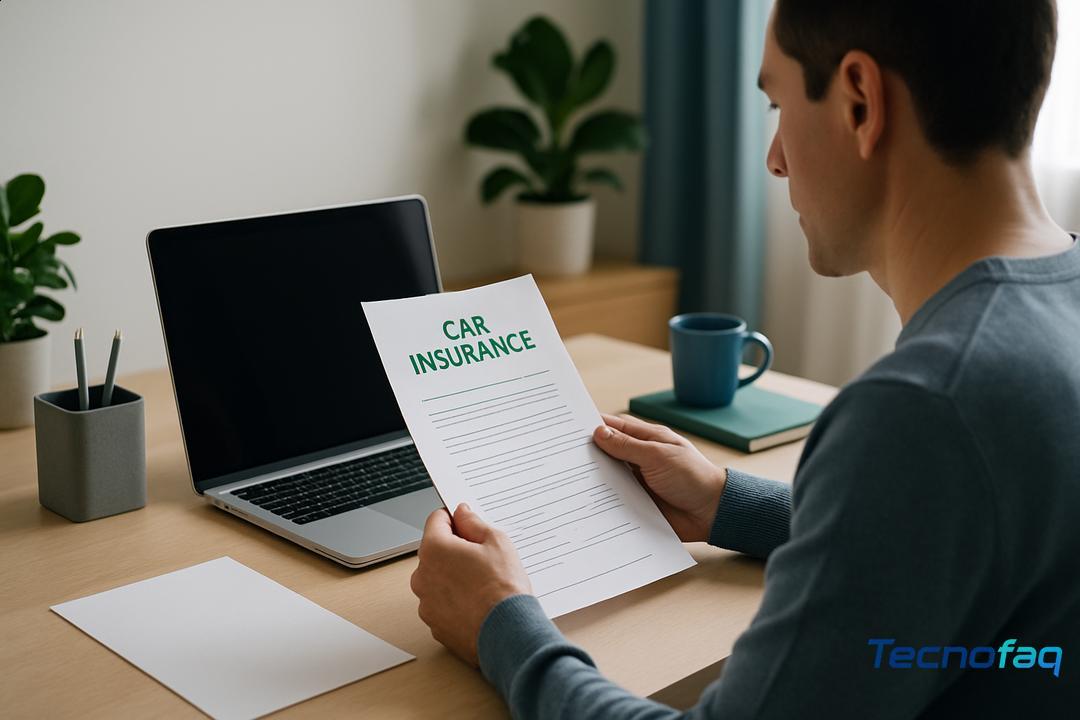
Ever look at your car insurance renewal notice and wonder if you could be paying less? You’re definitely not alone. For many of us, those annual insurance premiums can feel like a never-ending drain on our wallets, especially when every penny counts.
Car insurance costs are a growing concern among millions of UK drivers. According to industry data, premiums have climbed steadily for many in recent years, and the hunt to reduce car insurance costs is now one of the most common questions people ask online and in communities. With fuel, repairs, and everyday bills also rising, saving money here can really make a difference.
The trouble is, a lot of advice out there talks about “quick fixes”, or assumes everyone’s situation is the same. But what works for one driver might not work for another. And tips like dropping vital cover or endlessly switching insurers can end up costing more than they save.
This article is your straight-talking, practical guide to slashing the cost of your car insurance without taking big risks. We’ll break down proven ways UK drivers can save, from smarter comparisons to new security tech and black box options. Let’s get started and see how much you could keep in your pocket this year.
Compare quotes from multiple providers
One of the best ways to lower your car insurance costs is to compare quotes from several providers. Prices can change a lot between companies, even for the same level of cover. Taking a few minutes to shop around could mean real savings each year.
Why shopping around matters
Not all insurance companies set their prices the same way. That means, for the same driver and car, the cost can be much higher or lower depending on who you ask. Recent research shows drivers who compare can save up to hundreds per year by switching.
For example, someone renewing with their old insurer might pay £400, but a quick look at a few other providers could reveal similar cover for £300. These differences add up, especially if you compare quotes regularly instead of just accepting your renewal.
Tools and tips for comparison
The easiest way to compare is by using online comparison websites. Most let you view lots of quotes side by side in minutes. You can also get quotes directly from company websites, which sometimes show deals not on comparison sites.
Some insurers now offer special discounts if you apply online, use paperless billing, or set up direct debit payments. Taking advantage of these options can sometimes lower your premium even more.
Always make sure the quotes are for the same type and level of cover, so you really know which is the best deal possible.
What to look for in a quote
When comparing, don’t just look at the monthly payment. Check the total annual premium, any excess amount (the sum you pay if you claim), and whether there are extras like breakdown cover or legal assistance included.
Be sure to look for any hidden costs or terms. Some policies might have tempting upfront prices, but charge high fees if you pay monthly or want to make changes. It’s wise to read the main points of each quote before choosing.
A quick review of all these details will help you choose a policy that gives you what you need, at the right price, with no nasty surprises later.
Increase your voluntary excess
One way to make your car insurance more affordable is to consider raising your voluntary excess. This is the amount you choose to pay yourself if you ever need to claim. It can lower your premium, but comes with things to think about first.
How excess impacts your premium
Increasing your voluntary excess usually leads to a discount on your insurance price. Insurers see you as less likely to make small claims.
The savings can vary. For example, raising your voluntary excess from £0 to £100 might lower your premium by £120. But if you keep increasing it after that, the savings often shrink with each step. There comes a point where making your excess higher barely changes the price.
A good tip is to find the spot where a higher excess still makes a noticeable dent in the price, without going overboard.
Finding the right excess for your budget
Pick an excess you can truly afford. If you have to claim, you’ll pay both compulsory and voluntary excess amounts together.
Say your compulsory excess is £100 and you add a £150 voluntary excess. If your car gets damaged, you need to pay £250 before your insurance helps out. It makes sense to choose the highest excess that wouldn’t cause you money stress if something happened.
Many people find small or step-by-step increases in their excess give better savings than making a big leap.
Risks and things to watch out for
A high voluntary excess can be a problem if you end up needing to claim. You might save a bit on your premium, but have to pay out more later.
Always check your policy for compulsory excess. Some insurers make the total claim cost higher than you expect. And remember, the premium reduction can reach a limit, adding more excess later might save you almost nothing.
If you are on a tight budget, make sure your chosen excess is realistic for your finances, not just the monthly price.
Improve your car’s security
Making your car harder to steal is a smart way to get cheaper insurance. Good security not only helps protect your vehicle but can mean lower prices from many insurers.
Simple security upgrades
Even basic upgrades can make a big difference. Using a steering wheel lock or wheel clamp is cheap, quick, and puts off would-be thieves. If you have keyless entry, storing your car fob in a Faraday pouch helps stop electronic thefts. Parking in well-lit, busy places or on a driveway with cameras also helps keep your car safe. Keeping windows shut, doors locked, and valuables hidden is always important.
For example, the RAC and motoring guides say that fitting visible locks or alarms is one of the best ways to deter thieves. Visible security tells criminals your car will be hard work to steal.
Approved alarms and immobilisers
An immobiliser is a device that stops your car from starting unless the right key or code is used. If your car doesn’t already have one, fitting a Thatcham-approved immobiliser is a good step. Some cars benefit from extra alarms or GPS tracking systems, as these raise your car’s security even more.
Aftermarket alarms and trackers give the best protection when fitted by pros. If your car is older or missing modern security, upgrading makes sense and may qualify for a discount with insurers.
How security affects insurance costs
Better security reduces your car’s theft risk, and many insurers take this into account. Some offer discounts of five to twenty five percent for approved alarms, immobilisers, or trackers. Others use your security features and where you park the car, like a locked garage or monitored drive, to decide your price.
A good approach is to check with your insurer. Ask if they give any discounts for new security features and what proof is needed. Even if savings are small, you gain more peace of mind and extra protection for your car.
Consider telematics or black box policies
If you’re looking for extra ways to cut your car insurance bill, telematics (black box) policies might be worth a look. These use technology to watch how you drive and turn your habits into savings, especially if you’re a careful or low-risk driver.
What is telematics?
Telematics insurance works by using a black box device or a smartphone app to collect information about your driving. The system tracks things like speed, braking style, sharp turns, what time you drive, and your total miles.
This information gets turned into a driving score. Drive safely and within the rules, and you could see a better price when it’s time to renew. For example, two drivers with the same age and postcode might get different prices if one drives smoothly and avoids night trips.
Who can benefit most?
Black box insurance is especially popular with young drivers aged 17 to 25, as normal policies for this group can be very expensive. New drivers and those with clean, predictable routines, like a student who sticks to daytime commutes, often see the biggest savings.
If you do most of your driving during the day, go easy on the brakes and keep to regular routes, you may benefit more than someone driving late at night or in busy stops and starts.
Tips for making the most of black box insurance
If you want the best results, drive smoothly. Avoid harsh braking, hard acceleration, and sharp cornering. Stick to speed limits, and try not to drive late at night when possible.
Check the rules of each policy carefully. Some use a box installed in the car, others use an app. Some might even set curfews or limit certain types of trip.
Keep your driving habits steady and within what’s covered, and you’ll have a better chance of keeping your price down year after year.
Putting it all together: A practical plan to reduce your car insurance bill
The best way to reduce your car insurance bill is to use several money-saving steps at once. Comparing quotes each year is a strong first move, since prices vary and loyalty rarely pays off. Choosing the right cover for your needs, and only paying for what you use, stops you wasting cash.
It also helps to set your voluntary excess at a sensible level you can afford, not just chasing the lowest premium possible. Making your car less attractive to thieves, like using a steering lock or upgrading alarms, often means safer cars and in some cases better deals from insurers.
Telematics, or black box, policies suit some people well, especially young drivers or those with clean, careful habits. Each tweak on its own might give a small saving, but the real advantage comes when you put them together.
An example, one careful driver shopped around, switched insurer, raised their excess by £100, and fit a steering wheel lock. The result was a bigger saving than if they’d only done one of those things. The key lesson: keep reviewing your policy and never assume your renewal is the cheapest option available.
Always check the details of every quote or policy, and look again each year. With a bit of effort, you could make your insurance costs much easier to manage.
Key Takeaways
This article gives practical steps to help you save money on your car insurance premiums.
- Compare quotes yearly: Shopping around for new quotes each year can lead to significant savings compared to auto-renewal.
- Adjust your voluntary excess: Increasing your excess can cut your premium, but always pick an amount you can pay if you need to claim.
- Upgrade car security: Simple steps like using steering wheel locks or installing approved alarms and immobilisers can lower your insurance risk and may earn discounts.
- Consider telematics or black box policies: These options often work well for younger and low-risk drivers, rewarding safe habits with lower premiums.
- Check policy details: Always look beyond the headline price, checking for hidden fees, included extras, and what your cover really offers.
- Combine strategies for better results: Using several of these tips together gives you a better chance of larger overall savings.
- Review your cover regularly: Don’t just set your insurance and forget it—policy details and prices can change year to year.
By combining these smart habits, you can make real progress towards lower car insurance bills without missing out on the cover you need.
Yes. A higher voluntary excess often reduces the premium, but you must be able to afford that amount if you claim.
They can. Insurers often give discounts for cars that are harder to steal or recover more easily, so improving security may lower the price.
Often, yes—especially for young or safe drivers. Telematics quotes are usually cheaper, but if your driving is poor or risky, the cost can rise.
Yes. Comparing multiple insurers is one of the best ways to find a cheaper policy, and it can beat auto-renewing with the same provider.